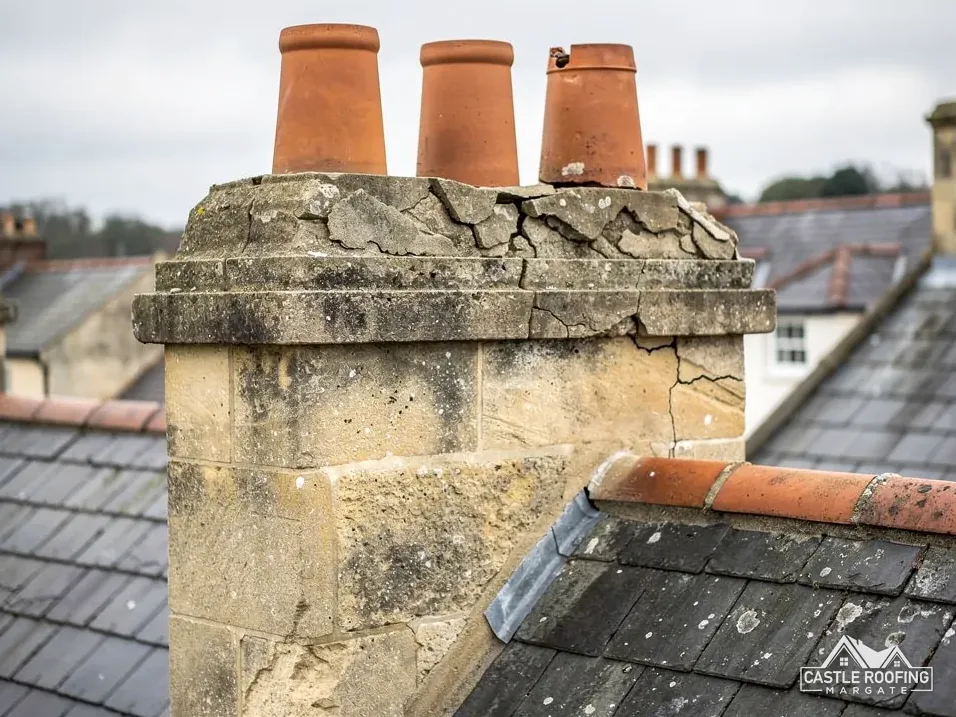
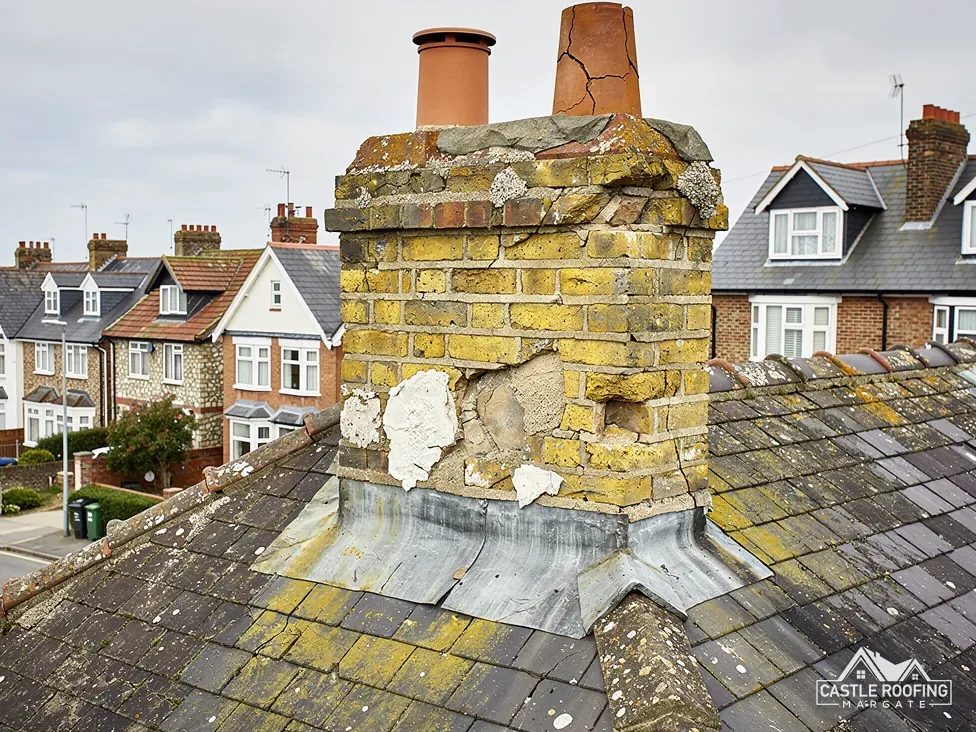
What Class C says about chimneys
The General Permitted Development Order 2015, Schedule 2, Part 1, Class C deals with changes made to a dwellinghouse roof. It is the class that normally lets an owner re-cover a house roof without applying. It comes with conditions, and one of them is about chimneys.
Condition C.1(d) takes a job out of Class C when it would involve a chimney, a flue or a soil pipe, whether new, altered or replaced. Solar panels sit in the same sub-paragraph. A job that includes altering a chimney is therefore not covered by Class C on that ground alone.
That is a different thing from saying every chimney job needs an application. Planning control only bites on development, and the 1990 planning Act, at s55(2)(a), excludes building works that leave the outside appearance of a building materially unchanged. Whether taking a stack down changes the look of your house enough to count is a judgement, and the council makes it. Best to put the question to the planning team in writing, with a photograph, and keep the reply.
Designations that raise the stakes
The risk goes up where the house carries a designation. On a listed building, works that change its character need listed building consent under section 7 of the 1990 Act, and a chimney is often part of that character. Permitted development rights under Class B and Class C still exist for a listed house, but the consent is a separate requirement.
In a conservation area the stack is still part of the street scene. Conservation areas are article 2(3) land, which removes Class B dormers, though not Class C. Councils publish what they require: Thanet has 27 conservation areas, Canterbury 97, Dover 57 and Swale 51. An Article 4 direction can also withdraw specified permitted development rights on a given street, and Dover's own page says its directions may reach a roof alteration where that side of the house faces a road, waterway or public open space.
Quick checks before you commit to taking a stack off:
- Is the house listed?
- Is it in a conservation area, and does an Article 4 direction cover the street?
- Is it a flat or maisonette, which has no permitted development rights?
- Is the stack shared with a neighbour?
Planning is one permission, not the only one
Even where planning permission is not needed, other rules can be. Removing the stack is only the top of the question when the chimney breast is being taken out below it. The Planning Portal's guidance is blunt about this: taking out a breast always needs building regulations approval, since the breast forms part of the structure.
When the breast sits on a party wall, a party wall notice is needed as well. The Party Wall etc. Act requires at least two months' warning, and questions go to a party wall surveyor, not to building control. Our pages on building regulations for chimney breast removal and chimney breast removal cover the work inside the house.
The roof also has to be made good where a stack comes off. A flue that remains in use for a boiler or stove cannot simply be cut down, and the opening has to be closed and weathered properly. A removal done as a roof job is still a building job, and the order is: ask the council, confirm the approvals, then book the work.
How to ask the council, and what the job involves
The question for the local planning authority is short: can this stack come down to roof level, and does that need planning permission or any other consent? Send a photograph of the front, plus the side if the stack shows there, and say whether the house is designated. Councils differ in how they respond, but a written answer is worth waiting for, because it protects you if a neighbour or a later buyer asks.
The roof work itself includes making the stack safe to dismantle, lowering the material, forming a roof or capping over the flue and reinstating the covering round it. Access is by scaffold or tower, and when poles stand on the pavement the scaffold firm has to obtain a Kent County Council licence.
Height, access, the flues below and what the roof needs afterwards all drive the price, and the survey is where they are measured. If the stack is merely unsafe, repair may suit better than removal, and chimney stack removal sets out both routes. The wider range of work is under chimney repairs.