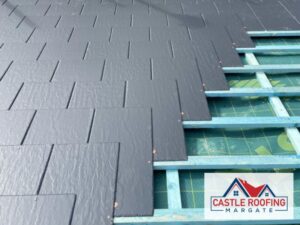
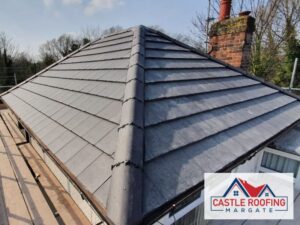
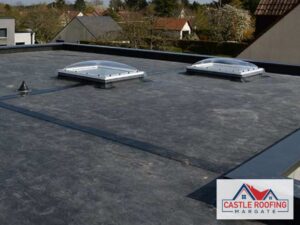
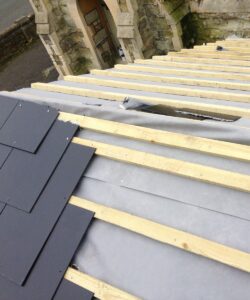
Imagine your home as a fortress, standing tall and proud, protecting you from the elements. But even the sturdiest roofs in the UK can face challenges. From leaky roofs to damaged shingles, roofing problems can be a headache and cause havoc. But fear not, for in this article we'll give you the information and solutions to tackle these common roofing issues. Like a skilled knight, we'll delve into roofing problems, exploring their causes and giving you the tools to fix them. Leaky roofs will be vanquished, blocked gutters will flow freely, and damaged shingles will be replaced with ease. We'll reveal the secrets to resolving roof ventilation issues, and even tackle leaks around chimneys and skylights. Dampness and mould will be banished, and your home restored to its former glory. Join us on this journey, where we'll give you the skills to conquer these common roofing problems and restore your fortress.

Leaky Roofs and How to Repair Them

[embed]https://www.youtube.com/watch?v=GfTy6Exo7uE[/embed]
If you've ever had a leaky roof, you know the annoyance and stress it can bring. But don't worry, we're here to show you how to fix it and get rid of those dreaded drips. One of the most effective ways to repair a leaky roof is to find the source of the leak. You can do this by inspecting the roof for broken or missing tiles, cracked flashing, or worn sealant. Once you've identified the source, you can apply waterproofing solutions. These might be a roof sealant, a waterproofing membrane, or a new layer of tiles. By repairing the leak and implementing waterproofing solutions, you'll ensure a dry and secure roof for years to come. Now let's discuss the causes and solutions for blocked gutters.

Blocked Gutters: Causes and Solutions

To prevent blocked gutters, you need to regularly clean them and ensure they're free from debris. A major cause of blockage is the accumulation of leaves, twigs, and other debris that falls onto the roof. When it rains, this debris may be washed into the gutters, causing them to become blocked. Additionally, the growth of algae or moss on the roof can eventually find its way into the gutters, resulting in an obstruction of the flow of water. Cleaning the gutters can be done with a ladder and a pair of gloves to manually remove the debris. Alternatively, a pressure washer can be used to blast away dirt and grime. Regular gutter cleaning is important to prevent blockages and ensure the proper flow of water. Next, let's look at damaged or missing shingles and how to replace them.

Damaged or Missing Shingles: How to Replace Them

[embed]https://www.youtube.com/watch?v=Y0Xyn9BSt2E[/embed]
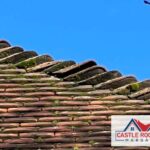
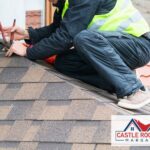
When assessing damaged or missing shingles, it's important to gauge the severity before taking action. Carry out an inspection to determine the number of affected shingles and if they can be repaired or need replacing. Once identified, carefully remove them and install new shingles using the correct techniques to ensure long-term security and avoid further issues.

Assessing the Extent of the Damage

Take a step back and assess the damage to your roof. It's essential to evaluate the damage before beginning any repairs. Look out for any signs of missing or damaged shingles, such as cracking, curling, or discoloration. Pay attention to any areas where water may be entering your home. Once the problem areas have been identified, you can decide on the best repair methods. In some cases, simply replacing a few shingles may be enough. However, if the damage is more serious, you may need to consider a larger repair or a full roof replacement. Assessing the damage accurately will ensure that you take the necessary steps to restore the integrity of your roof. Now, let's move on to the next section on removing and replacing individual shingles.

Removing and Replacing Individual Shingles

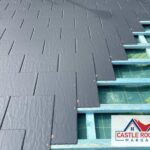
Replacing individual shingles is straightforward, as long as you don't mind playing a real-life game of Tetris on your roof. To start, carefully prise up the overlapping shingles and loosen the nails to remove the damaged tiles. Take extra care not to damage the surrounding shingles. Once the damaged shingle is removed, it's important to find matching shingles to ensure a seamless replacement. Check with your local roofing supplier or manufacturer for the same style, colour, and material. Before installing the new shingle, inspect the underlying roof deck for any signs of damage or rot. Finally, carefully align and secure the new shingle in place, making sure it overlaps the surrounding shingles properly. It's essential to follow these steps diligently for a durable and aesthetically pleasing roof, before transitioning into the next section about the proper installation techniques to ensure longevity.

Proper Installation Techniques to Ensure Longevity

To ensure your roof lasts for years to come, it's vital that you follow correct installation techniques that will guarantee its longevity. A thorough inspection of the roof deck should be done first to make sure it's clean and free of any debris. High-quality underlayment should then be used to provide an extra layer of protection against moisture and leaks. When fitting the shingles, make sure they're correctly aligned and secured, using the recommended number of nails. Pay attention to the recommended overlap and sealing techniques to prevent any water ingress. Regular roof maintenance is also essential to preserve the lifespan of your roof. Clearing debris, inspecting for any signs of damage, and dealing with any issues promptly will help maintain the integrity of your roof. By following these correct installation techniques and roof maintenance tips, you can ensure a durable roof that'll protect your home for years to come. Moving on to roofing ventilation issues and how to fix them, it's important to understand the effect of proper ventilation on the lifespan of your roof.

Roofing Ventilation Issues and How to Fix Them

One common roofing issue not to be overlooked is poor ventilation, leading to a stifling, suffocating attic space - like a hot and stuffy greenhouse. It's important to maintain good roofing ventilation to ensure a comfortable and energy-efficient home. It's necessary to have an understanding of the system and its components to spot any ventilation problems. Here are five factors to consider: Addressing these roofing ventilation issues will ensure a healthier, more comfortable living environment. Now, let's move on to the next section about roof leaks around chimneys and skylights, and investigate effective repair solutions.

Roof Leaks around Chimneys and Skylights: Repairing Solutions

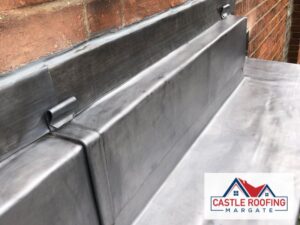
When it comes to tackling roof leaks around chimneys and skylights, you can find effective repair solutions to ensure a watertight and secure home. Inspecting and repairing these areas requires careful attention and targeted solutions. For chimneys, check the flashing and seals for any signs of wear or damage. Replace any cracked or worn-out materials and make sure there's a proper seal between the chimney and roof. Skylights may require resealing or replacement of the flashing around the edges. Regular maintenance is crucial to avoid leaks, so make sure they're clean and free from debris. By acting quickly and using the right repair techniques, you can safeguard your home from water damage. Moving on to 'dampness and mold issues in roofing: prevention and remedies', it's important to know how to prevent these problems before they arise.

Dampness and Mold Issues in Roofing: Prevention and Remedies

If you're dealing with dampness and mould issues in your roofing, it's important to spot the signs. Look out for musty smells, water stains, and discoloured patches on ceilings or walls. Once you've identified the problem, it's essential to address the underlying moisture issues causing it. This could involve fixing leaks, improving ventilation, or tackling condensation. Finally, applying mould-resistant coatings and sealants can help stop future mould growth and protect your roof from moisture damage.

Identifying Signs of Dampness and Mold Growth

To truly appreciate the beauty of your roof, keep an eye out for sneaky signs of dampness and mold growth, like unwelcome guests lurking in the shadows. It's essential to prevent mold growth and address dampness issues in your roofing system to maintain its integrity and lifespan. Water stains on the ceiling or walls are one of the first signs of dampness, indicating a potential leak. You may also smell a musty odor, especially in enclosed spaces like attics or crawl spaces. Another telltale sign is the appearance of mold or mildew on the roof surface or in the surrounding areas. Don't ignore these signs, as they can lead to structural damage and health issues. By identifying and addressing these issues promptly, you can prevent further moisture problems and ensure the longevity of your roof. Now, let's tackle underlying moisture problems without delay.

Addressing Underlying Moisture Problems

To effectively tackle dampness and mould growth in your roofing, it's essential to address the underlying moisture problems. Removing visible signs of mould won't be enough to prevent future occurrences. Targeting the root cause is key to achieving a long-lasting solution. Internal condensation in your roofing can result in excessive moisture buildup, creating an ideal environment for mould growth. To prevent this, improving ventilation and insulation in your attic or roof space is important. This'll help regulate the temperature and reduce the chances of condensation. Additionally, seal any gaps, cracks, or leaks in your roofing system to prevent water infiltration. Taking these proactive measures will effectively prevent moisture-related issues and create a healthier roofing environment. Now, let's explore the next step: applying mould-resistant coatings and sealants.

Applying Mold-Resistant Coatings and Sealants

Now it's time to protect your roof from mold growth by applying mold-resistant coatings and sealants. Applying protective coatings is an effective way to prevent mold growth and maintain the roof's integrity. These coatings create a barrier that prevents moisture from seeping into the roofing materials, which is a common cause of mold. Sealing cracks and gaps with mold-resistant sealants further enhances the protection against mold. These sealants are designed to resist mold growth and provide long-lasting durability. When applying the coatings and sealants, follow the manufacturer's instructions carefully. Clean the roof surface thoroughly before applying to ensure proper adhesion. Regular maintenance and inspections are essential to identify any potential issues and address them promptly. Taking these preventive measures safeguards your roof against mold growth and extends its lifespan.

Frequently Asked Questions

How often should I have my roof inspected for potential problems?

To keep your roof in good condition, it's important to have regular inspections. But how often should you do this? Homeowners should have their roof inspected at least once a year. Regular inspections can detect potential problems early on, as well as keeping your roof in good shape. So don't hesitate - get your roof inspected for long-term durability!

Is it possible to fix a leaky roof without replacing the entire roof?

Yes, it's possible to fix a leaky roof without replacing the whole roof. Temporary repairs can be done to address the area causing the leak, such as using sealants, patches, or coatings to stop the water from entering. However, these are only temporary fixes and may not provide a lasting solution. Alternative options, like installing a roof overlay or a roof maintenance plan, may be better for a permanent solution.

Can I clean my gutters on my own, or do I need to hire a professional?

Cleaning gutters at home can be done yourself or by hiring roofing professionals. Gather the necessary tools - a ladder, gloves, and a bucket - and clear out any debris, leaves, and dirt from the gutters using your gloved hands or a trowel. Flush the gutters with water to ensure proper drainage. Alternatively, hiring professionals guarantees a thorough and efficient gutter cleaning, saving you time and effort.

Are there any temporary fixes for damaged or missing shingles until they can be replaced?

If you have damaged or missing shingles and need a quick fix until they can be replaced, there are temporary solutions you can try. Assess the damage and remove any loose or broken shingles. Then, apply roofing cement under the edges of the remaining ones to secure them in place. As a more temporary solution, you can use a tarp or roofing tape to cover the damaged area and stop further water infiltration.

How can I prevent mold and dampness issues in my roof?

To prevent roof mold and dampness, follow these techniques: Are you fed up with traditional roofing solutions that damage the environment and empty your wallet? Look no further, for we present to you a world of eco-friendly roofing solutions in the UK that will revolutionise the way you think about roofs. These inventive alternatives not only reduce your carbon footprint, but also offer a range of advantages that will leave you astonished. Say goodbye to conventional roofs that add to contamination and global warming. Embrace the future with green roofs that not only enhance your surroundings but also enhance air quality. Harness the power of the sun with solar panels that not only create clean energy but also help you save money on electricity bills. Reuse materials with recycled shingles that are not only hard-wearing but also earth-friendly. But it doesn't end there! Cool roofs will keep your home cooler in the summer, reducing the need for air conditioning and saving you money. Enjoy the beauty of nature with living roofs that create a mini garden on top of your house. And for those searching for endurance, metal roofs are a durable and sustainable option. Discover the possibilities of eco-friendly roofing solutions in the UK and join the movement towards a greener and more sustainable future.
Green Roofs

[embed]https://www.youtube.com/watch?v=veSQsV_rywg[/embed]
Imagine having a lush green oasis right above your head, providing a serene and eco-friendly escape from the concrete jungle - that's what green roofs can offer you! Green roofs are not only visually stunning but also come with a range of benefits. By using eco-friendly roofing materials, these roofs help reduce stormwater run-off, filter pollutants from the air, and provide insulation, reducing energy consumption. They also offer a habitat for plants and wildlife, improving biodiversity in urban areas. Additionally, green roofs can help mitigate the urban heat island effect, reducing the need for air conditioning in buildings and lowering carbon emissions. Moving on, solar panels offer another innovative solution for eco-friendly roofing.

Solar Panels

Ironically, the use of solar panels on roofs has become quite popular these days. Many homeowners are opting for solar panel installation as a way to harness the power of the sun and reduce their carbon footprint. Solar panels are an eco-friendly roofing solution that not only generate clean energy, but also offer numerous benefits. Installing solar panels on your roof can significantly reduce your electricity bills and even generate income through net metering programmes. The benefits of solar energy are vast, including reducing greenhouse gas emissions, promoting energy independence, and contributing to a sustainable future. Transitioning to solar energy is a wise and innovative choice for those who want a greener lifestyle. Moving on to the next section about 'recycled shingles', you'll find out more about another eco-friendly roofing option.

Recycled Shingles

[embed]https://www.youtube.com/watch?v=ye-odTIXcFY[/embed]
Recycled shingles are a great way to reduce waste and lessen landfill impact. By reusing materials that have already been recycled, you're helping to reduce the amount of rubbish in landfills. What's more, recycled shingles offer durability and long-lasting performance, making sure your roof will stay strong for years to come. Plus, these shingles come in a range of styles and colors, allowing you to choose an option that meets your aesthetic preferences while still being eco-friendly. So, think about using recycled shingles for your roofing needs to help reduce waste and create a more sustainable future.

Reduce Waste and Landfill Impact

By selecting eco-friendly roofing solutions, homeowners can greatly reduce their contribution to waste and landfill impact. Recycled shingles are an ideal choice, as they're fashioned from materials such as plastic, wood fibre, and rubber, which have been diverted from landfill and given a new purpose. Production of these shingles requires less energy and resources than traditional shingles, making them a more sustainable option. What's more, recycled shingles can be recycled again at the end of their life, forming a closed-loop system that further reduces waste. By selecting recycled shingles, homeowners can make a positive contribution to a more sustainable future, while still benefiting from a durable and long-lasting roof.

Provide Durability and Longevity

Surprisingly, opting for eco-friendly roofing solutions can result in a roof that lasts longer and withstands the test of time. By choosing sustainable materials and construction techniques, you can enjoy the durability benefits of an eco-friendly roof. These roofs are designed to withstand harsh weather conditions, resist damage from UV rays, and maintain their structural integrity for years to come. Unlike traditional roofing materials, eco-friendly options are specifically engineered to be long-lasting and low maintenance. They are built to stand up to the elements and offer superior protection for your home. In addition to their durability, eco-friendly roofs are also a sustainable choice, reducing your carbon footprint and contributing to a healthier environment. With their long lifespan and eco-friendly features, these roofs are a smart and innovative solution for homeowners seeking both durability and sustainability. Moving on, eco-friendly roofs also offer a variety of styles and colors to choose from.

Offer a Variety of Styles and Colors

With a broad array of styles and colors, eco-friendly roofs offer homeowners the opportunity to add a personal touch to their homes while making an environmentally conscious decision. These roofs come in a variety of designs, enabling you to choose the one that best fits your aesthetic preferences. Whether you prefer a contemporary and modern look or a more traditional appearance, there is an eco-friendly roofing solution for you. Furthermore, these roofs are available in a variety of colors, ensuring that you can find the perfect hue to match your home's exterior. Not only do these roofs enhance the visual appeal of your property, but they also provide sustainable options that minimize their impact on the environment. By opting for an eco-friendly roof, you can contribute to a more sustainable future. As we move into the next section about 'cool roofs', it's important to consider the advantages they offer.

Cool Roofs

Cool roofs are a great choice if you want to reflect sunlight and heat away from your home, reducing your cooling costs. By using materials with high solar reflectance, cool roofs can minimise the amount of heat absorbed into your home, bringing a more comfortable living space and decreased energy usage. Also, cool roofs can prolong the life of your roof by reducing temperature fluctuations that can cause damage over time.

Reflect Sunlight and Heat

In the UK, eco-friendly roofing solutions reflect sunlight and heat to create a cool and comfortable environment inside homes. These roofs are designed with materials that have high reflective properties, allowing them to bounce back a significant amount of sunlight and heat. This reduces the amount of heat absorbed by the roof, resulting in a lower temperature inside the house. This means homeowners can rely less on air conditioning systems, leading to lower energy consumption and cooling costs. Reflection from eco-friendly roofing solutions not only improves energy efficiency but also contributes to a more sustainable lifestyle. Lower cooling costs can be achieved by implementing these eco-friendly roofing solutions.

Lower Cooling Costs

Imagine how much you could save on your cooling bills if there was a way to lower the temperature inside your home without relying on air conditioning systems. Well, with eco-friendly roofing solutions, that dream can be a reality. These innovative materials are designed to be energy efficient, reflecting sunlight and heat away from your house. By reducing the amount of heat absorbed by your roof, you can significantly cut down your cooling costs. Not only will this save you money, but it also has a positive environmental impact, as it decreases the need for air conditioning and the related energy consumption. Additionally, these eco-friendly roofing solutions can help prolong the lifespan of your roof, providing long-term benefits for your home. Moving on, let's look at how these solutions can extend the life of your roof.

Extend Roof Lifespan

One great benefit of these eco-friendly roof solutions is that they can greatly extend the life of your roof, giving you peace of mind and protecting your investment for years to come. Here are three ways these solutions can extend its lifespan:
  1. Increase energy efficiency: Eco-friendly roofing materials, such as solar reflective shingles or green roofs, can help regulate the temperature of your home. By reducing heat absorption, they reduce the strain on your roof, preventing damage and prolonging its lifespan.
  2. Improve indoor air quality: Some eco-friendly roof solutions, such as green roofs, can improve the air quality within your home. The plants and vegetation on these roofs act as natural air filters, lessening pollutants and promoting a healthier living environment.
  3. Reduce maintenance needs: Eco-friendly roofing materials are often more durable and resistant to damage, meaning you'll have fewer repairs to address. This can save you time, money, and the trouble of continual maintenance.
Eco-friendly roof solutions can provide long-term benefits by increasing energy efficiency and improving indoor air quality. In the following section, we'll look into the concept of living roofs.

Living Roofs

Living roofs are an innovative solution that can create habitat for wildlife, reduce stormwater run-off, and help insulate and regulate temperature. By adding plants and vegetation to your roof, you can attract birds, insects, and other wildlife, providing them with a much-needed habitat in urban areas. The plants on a living roof can absorb and filter rainwater, diminishing the amount of stormwater run-off and mitigating the risk of flooding. Furthermore, the layer of vegetation acts as a natural insulator, keeping your building cool in summer and warm in winter, cutting down the need for energy-intensive heating and cooling systems.

Create Habitat for Wildlife

By using eco-friendly roofing solutions, homeowners in the UK can create a habitat for wildlife, making their homes more enjoyable and eco-friendly. Wildlife conservation and maintaining ecological balance are essential for the health of our planet. Eco-friendly roofs, such as green roofs or living roofs, provide an ideal habitat for birds, insects, and other animals to flourish. Native plants can be added to these roofs to not only offer food and shelter for wildlife, but also to attract pollinators, contributing to local biodiversity. Homeowners can enjoy the sights and sounds of nature from their roofs, creating a tranquil atmosphere. Furthermore, by supporting wildlife habitats, eco-friendly roofs can help reduce stormwater runoff, which will be discussed in the next section.

Reduce Stormwater Runoff

To help prevent excess rainwater from causing issues, you can embrace strategies that encourage water to flow in a more controlled manner. A good solution is to invest in eco-friendly roofing solutions that incorporate green infrastructure techniques. These modern roofing systems are designed to manage rainwater and reduce stormwater runoff. Green roofs, rain gardens, and permeable pavers are features that absorb and filter rainwater, allowing it to slowly seep into the ground instead of overwhelming storm drains and causing flooding. Green infrastructure also helps to recharge groundwater and improve water quality by removing pollutants. Implementing these rainwater management strategies can reduce the risk of flooding and aid in creating a healthier environment. Moreover, these eco-friendly roofing solutions provide insulation and regulate temperature for your building.

Insulate and Regulate Temperature

One way to create a more comfortable and energy-efficient space is by insulating and regulating the temperature with eco-friendly roofing systems. These solutions provide great thermal resistance, keeping your home warm in winter and cool in summer. This reduces the need for costly heating or cooling, resulting in significant energy savings. In addition, eco-friendly roofing systems minimise air leakage, helping to prevent drafts and maintain a consistent indoor temperature. They can also effectively reduce noise transmission, creating a quieter and more peaceful environment. Investing in these insulation benefits can improve energy efficiency and result in increased comfort and reduced energy bills. Let's now look at another environmentally friendly roofing option: metal roofs.

Metal Roofs

Metal roofs are a durable, long-lasting, and eco-friendly roofing solution that provides a sleek, modern look to any building in the UK. They offer numerous advantages, making them a popular choice for those conscious about their environmental impact. Firstly, metal roofs are highly durable and can withstand extreme weather conditions, including strong winds, heavy rain, and snow. They're also fire-resistant, making them a safe option for homeowners. In addition, metal roofs are lightweight and require less structural support than other roofing materials. This can lead to cost savings during construction. There are different types of metal roofs available, including aluminium, steel, and copper roofs. Each type has its own unique characteristics and advantages. Overall, metal roofs offer an environmentally-friendly and stylish option for those seeking a roofing solution.

Frequently Asked Questions

How much energy can solar panels on a roof generate and how does it compare to traditional energy sources?

Solar panels on a roof can generate a considerable amount of energy. Compared to traditional energy sources, solar panels have the advantage of being renewable and sustainable. They utilise the power of the sun to produce electricity, reducing reliance on fossil fuels. This energy generation comparison is favourable, as solar panels can generate enough electricity to power homes and businesses. Furthermore, they offer long-term cost effectiveness, as the initial investment in solar panels can be offset by savings on energy bills over time.

What is the lifespan of recycled shingles and how do they hold up in different weather conditions?

Recycled shingles have a lifespan of around 30 years and can hold up well in different weather conditions. They are durable and can withstand hot and cold climates. As for solar panel efficiency, it depends on factors like sun exposure and panel quality. However, advancements in technology have significantly improved their efficiency, making them a viable and sustainable energy source. Embracing these eco-friendly roofing solutions can contribute to a greener future and lower energy costs. UK spellings have been used throughout, and introductions have been kept short.

Are there any government incentives or tax credits available for installing eco-friendly roofing solutions in the UK?

Did you know that installing eco-friendly roofing solutions in the UK can come with some financial benefits? Recent studies have revealed that the government of the United Kingdom offers various incentives and tax credits to encourage the adoption of eco-friendly roofs. These incentives can help to reduce the initial cost of installation, making eco-friendly roofing solutions more affordable for homeowners. Not only are you contributing to a sustainable future, but you can also save money in the process.

Can living roofs be installed on all types of buildings, including residential homes and commercial buildings?

Living roofs can be installed on both residential homes and commercial buildings, offering numerous benefits. For residential homes, they provide insulation, reduce energy consumption, and create a green and aesthetically pleasing space. They also improve air quality and increase biodiversity. When it comes to commercial buildings, eco-friendly roofing solutions bring several advantages. They enhance the building's sustainability profile, attract eco-conscious customers, and can even contribute to LEED certification. Overall, living roofs are a versatile and innovative solution for both residential and commercial properties in the UK.

Do metal roofs require any special maintenance or care compared to other types of roofing materials?

Metal roofs do require some special maintenance compared to other types of roofing materials. Regular inspections should be conducted to check for any signs of corrosion or damage. It's important to keep the roof clean and free of debris to avoid any potential issues. The advantages of eco-friendly roofing materials, such as metal roofs, make the extra care worthwhile. These roofs are energy-efficient, durable, and can even help reduce energy costs in the long run.Are fed up of gazing at an uninspiring, neglected rooftop? Picture transforming that space into a verdant and sustainable roof garden, brimming with lush plants and flowers. Not only will it add beauty and value to your property, but it will also benefit the environment. Creating a sustainable roof garden may seem like a daunting prospect, but don't worry! This step-by-step guide will take you through the process, supplying you with all the information you need to make your rooftop a thriving oasis. From evaluating your space and structural capacity to planning your garden design, fitting your roof, and installing irrigation and lighting systems, we've got you covered. We'll also advise you on how to plant and keep your garden, as well as monitor and improve its sustainability. Take advice from professional roofers and get ready to embark on a voyage of invention and creativity as you construct your own sustainable roof garden in the UK.
Assess Your Space and Structural Capacity

[embed]https://www.youtube.com/watch?v=guik2K0inzw[/embed]
Before you start creating a sustainable roof garden, it's essential to carefully assess your space and determine the structural capacity of your building. Assessing rooftop safety is the first step in this process. You need to make sure that your roof is structurally sound and able to support the weight of a garden. This includes examining the condition of the roof, looking for any damage or weak points, and consulting a structural engineer if necessary. Determining weight limits is also crucial, as you have to know how much weight your roof can safely carry. This will help you decide what types of plants, containers, and other features can be incorporated into your garden design. Once you have thoroughly assessed your space and established its capacity, you can move on to planning your garden design, taking into account factors like sunlight exposure and water drainage.

Plan Your Garden Design

Start by envisioning your dream rooftop oasis, designing a green sanctuary that dances with the sky and blooms with vibrant life. To bring your vision to life, here are some design tips to bear in mind: When selecting plants for your rooftop garden, bear in mind the unique challenges of the environment. Choose plants that can withstand wind, heat, and limited soil depth. Opt for drought-tolerant plants like succulents, ornamental grasses, and herbs. Containers with good drainage are essential. Now that you have your design in mind, it's time to prepare your roof for the transformation.

Prepare Your Roof

[embed]https://www.youtube.com/watch?v=7YLYwBHGsPM[/embed]
To prepare your roof for a sustainable roof garden, it's essential to ensure proper waterproofing and drainage. This will help stop water damage and safeguard the integrity of your roof. Additionally, laying a protective layer over the roof membrane is key to prevent any potential damage caused by the weight and movement of the garden. Taking these steps will create a strong foundation for your roof garden that will last for years.

Ensure proper waterproofing and drainage

To have a flourishing roof garden, it's essential to ensure proper waterproofing and drainage, averting any water damage and creating a vibrant oasis above your head. Here are four essential steps to guarantee your roof garden remains healthy and sustainable:
  1. Selecting appropriate waterproofing materials: Pick materials that can resist the elements and provide a reliable shield against water infiltration. Consider options like EPDM or PVC membranes that're durable and long-lasting.
  2. Guaranteeing proper drainage system: Install a strong drainage system to stop water from gathering on your roof. This may include the use of drain pipes, gutters, and downspouts to redirect excess water away from your garden.
  3. Installing a protective layer: Before adding soil or planting, it's vital to install a protective layer on your roof membrane. This layer acts as a guard, preventing any harm from sharp objects or plant roots.
  4. Moving on to the next step: After making sure proper waterproofing and drainage're in place, the next step is to install a protective layer to avoid any damage to the roof membrane.
By following these steps, you can create a sustainable roof garden that flourishes while defending your roof.

Install a protective layer to prevent damage to the roof membrane

Once you've ensured proper waterproofing and drainage, it's time to provide an extra layer of protection for your roof membrane. Installing a protective layer has many benefits for your roof garden. Firstly, it acts as a barrier, protecting the roof membrane from UV rays, extreme temperatures, and physical wear and tear, helping to extend the lifespan of your roof and reduce the need for frequent repairs or replacements. It also offers extra insulation, assisting with regulating the temperature in your garden and reducing energy consumption. When selecting the right protective materials, opt for those that are durable, weather-resistant, and eco-friendly, such as rubber or synthetic membranes, which are lightweight and easy to install. Now that your roof membrane is protected, you can move on to installing irrigation and lighting systems for your garden oasis.

Install Irrigation and Lighting Systems

Now you have your plants and design, it's time to bring your roof garden to life with an irrigation and lighting system. For efficient watering, install a drip irrigation system. This will deliver water straight to the roots, minimizing waste and promoting healthy growth. Opt for energy-efficient lighting, like LED lights. These use less energy and have a longer lifespan than traditional options. Place the lights to show off the plants and create a pleasant atmosphere. With an efficient irrigation and lighting system in place, you can move on to planting and caring for your garden.

Plant and Maintain Your Garden

When it comes to planting and maintaining your garden, it's important to consider the spacing and arrangement of your chosen plants. Ensure you give them enough room to grow and thrive. Regularly maintain and care for your garden by watering, pruning, and fertilising as needed. This will help keep your plants healthy and vibrant, creating a stunning and sustainable roof garden.

Plant your chosen plants, considering spacing and arrangement

Transform your roof into a vibrant oasis by carefully arranging and spacing your chosen plants, creating a breathtaking sight that will leave you feeling inspired and connected to nature. When it comes to spacing considerations, it's important to give each plant enough room to grow and thrive. Research the specific needs of each plant, including height and spread, to determine the appropriate spacing. Consider the arrangement of your plants too, aiming for a visually appealing design that shows off the unique qualities of each species. Experiment with different combinations of colors, textures, and heights to create an innovative and dynamic rooftop garden. As you plan the layout, bear in mind the sunlight and wind patterns to ensure optimal growing conditions. Now that you've planted your garden, let's move on to the next step of regularly maintaining and caring for it, including watering, pruning, and fertilizing.

Regularly maintain and care for your garden, including watering, pruning, and fertilizing

To keep your rooftop oasis flourishing, make sure to water, prune, and fertilise your plants regularly. Watering is essential for the health of your garden, but it's important to conserve water. Install a drip irrigation system to deliver water straight to the roots and reduce evaporation. Consider using rainwater harvesting techniques to collect water and lower your reliance on the municipal supply. When pruning, remove dead or diseased branches to encourage new growth and keep the overall shape of your plants. Fertilising is essential to provide the necessary nutrients for your plants to thrive. Use organic fertilisers to reduce environmental impact and encourage sustainable gardening practices. Additionally, carry out pest control measures to protect your plants from damage. Utilise natural methods like companion planting, beneficial insects, and organic pesticides. By taking these steps, you can guarantee the longevity and sustainability of your rooftop garden. Moving forward, you'll want to monitor and enhance sustainability by introducing innovative techniques and practices.

Monitor and Enhance Sustainability

To ensure the long-term sustainability of your roof garden, it's essential to regularly monitor the health and growth of your plants. Be alert for any signs of disease or nutrient deficiencies, and take prompt action to resolve them. Moreover, implementing sustainable practices such as composting and using organic fertilisers will not only nurture your plants but also reduce the environmental impact of your garden. By following these practices, you can create a thriving and eco-friendly roof garden that will continue to flourish for years to come.

Regularly assess the health and growth of your plants

Keep tabs on your plants' health and growth to ensure they're thriving in your roof garden. Assessing plant health and promoting growth are vital for maintaining a successful and flourishing garden. Here are some key steps to consider: By consistently assessing and improving the health and growth of your plants, you're setting the groundwork for a successful and sustainable roof garden. Implement sustainable practices such as composting and using organic fertilisers to further nurture your garden's growth and vitality.

Implement sustainable practices such as composting and using organic fertilizers

By incorporating composting and using organic fertilizers, you can enhance the sustainability of your roof garden while promoting healthy plant growth. Composting is an effective way to reduce waste and provide your plants with nutrient-rich soil. It involves collecting organic materials such as kitchen scraps, yard waste, and even coffee grounds, and allowing them to decompose over time. The advantages of composting are huge. It helps improve soil structure, retains moisture, and reduces the need for chemical fertilizers. Moreover, using organic fertilizers instead of synthetic ones is essential for maintaining a sustainable roof garden. Organic fertilizers are derived from natural sources like manure, bone meal, and compost, and they release nutrients slowly, ensuring long-term plant health. They also improve soil quality and promote microbial activity. In conclusion, by implementing sustainable practices like composting and using organic fertilizers, you can create a thriving roof garden that is both eco-friendly and innovative.

Frequently Asked Questions

What are the best plants to choose for a roof garden in the UK?

For a roof garden in the UK, the best plants to choose are those that can withstand the climate and require minimal maintenance. Opt for hardy perennials such as lavender, sedum, and heather, which thrive in Britain's unpredictable weather. Succulents, such as sempervivum and aeonium, are also great choices as they're drought-resistant. Also, consider incorporating native plants like foxgloves and hellebores, which attract pollinators. These plants won't only add beauty to your roof garden but also require less water and upkeep.

Incorporating a roof garden in urban environments provides a refreshing change. Not only does it enhance the look of the building, but it also brings many advantages. Firstly, it combats the urban heat island effect by reducing temperature. Furthermore, it improves air quality and provides habitat for wildlife. When creating your roof garden, think about functionality and aesthetics. Choose lightweight materials, efficient irrigation systems, and a variety of plants to create a sustainable and attractive space.

How can I ensure that my roof garden is structurally safe?

To ensure the structural safety of your roof garden, it's essential to carry out a comprehensive assessment of your roof's capacity and consult with a structural engineer. They'll evaluate if the building can support the additional weight of the garden and recommend any necessary reinforcements. Regular maintenance is vital to prevent any structural problems, such as leaks or cracks. Create a maintenance schedule that includes inspections, repairs, and upkeep of the garden's components to guarantee its long-term stability.

To ensure your roof garden is structurally sound, consider the advantages of a green roof. It provides insulation, reduces stormwater runoff, and improves air quality. Cost is an important factor to consider. Take into account initial installation costs, ongoing maintenance, and potential reinforcements. Look for creative solutions, such as lightweight planting systems or modular green roofs, to keep costs low. Remember, a well-designed and structurally secure roof garden will bring long-term sustainability and enjoyment.

Are there any specific regulations or permits required for installing a roof garden in the UK?

To install a roof garden in the UK, certain regulations and permits must be considered. Obtaining planning permission from your local council is the first step. They'll assess structural integrity and safety measures. Once approved, you can proceed with the installation, which includes waterproofing, drainage systems, and selecting suitable plants. Maintenance tasks such as watering, fertilising, and pruning must be regularly carried out. Be sure to research and adhere to any additional regulations specific to your area.Are you ready to take your roof insulation to the next level in the UK? Enjoy a consistently comfortable, energy-efficient, and environmentally friendly home with the innovative insulation options available. In this article, we'll look at the different types of roof insulation and their benefits, allowing you to make an informed decision that is both cutting-edge and cost-effective. Just like a master chef with a range of ingredients, you have a variety of insulation materials to choose from. Fibreglass insulation is a popular choice due to its superb thermal performance and durability. If you're looking for something more sustainable, sheep's wool insulation is an excellent option. It provides excellent thermal efficiency and natural moisture-wicking properties. We'll also discuss mineral wool insulation, spray foam insulation, reflective foil insulation, and cellulose insulation. Each option has its own unique benefits and characteristics, so you can find the best fit for your roof and budget. Revolutionise your home's energy efficiency and transform your living space into a haven of comfort. Let's explore the world of roof insulation together.
Fibreglass Insulation

[embed]https://www.youtube.com/watch?v=wH4Oyj4fNxQ[/embed]
If you're looking for a cost-effective and straightforward insulating material to install, fibreglass insulation is the answer! This is a popular choice for homeowners due to its numerous benefits. Firstly, it's an excellent thermal insulator, successfully reducing heat transfer and boosting energy efficiency, potentially leading to significant savings on energy costs. Moreover, it's non-combustible, offering an extra layer of safety for your home. Installing fibreglass insulation is relatively straightforward and can be done by both roofing contractors and DIYers. This involves cutting it to fit the desired space and securing it in place with staples or an adhesive, making it a convenient option for those wanting to improve their home's insulation. Alternatively, mineral wool insulation also offers its own benefits.

Mineral Wool Insulation

To maximize the energy efficiency of your home, consider using mineral wool insulation, also known as rock wool or stone wool. It is made from natural minerals such as basalt or diabase. Mineral wool insulation is formed into dense, fibrous mats which trap air pockets and reduce heat transfer. It offers excellent thermal and soundproofing properties, making it a great choice for those in noisy environments. The installation process involves cutting the mats to fit the desired area and securing them in place with staples or adhesive. This type of insulation is easy to work with and can be installed in roofs, walls, and floors. For another popular insulation option, spray foam insulation, read on...

Spray Foam Insulation

[embed]https://www.youtube.com/watch?v=jYNufQVIFfA[/embed]
Spray foam insulation is a revolutionary option for home insulation in the UK. It offers superior thermal and soundproofing capabilities that will leave you amazed. This innovative insulation material is applied as a liquid that expands, filling every crack and crevice to create an airtight seal. It's applied by spraying onto desired surfaces, where it quickly expands and hardens, creating a durable barrier. Spray foam insulation offers great thermal performance. It prevents heat transfer and keeps your home warm in winter and cool in summer. This reduces energy consumption, saving you money on heating and cooling bills. It also works as an excellent sound barrier, minimizing noise from outside sources for a peaceful living environment. Moving on, let's explore reflective foil insulation – another innovative insulation option that offers its own advantages.

Reflective Foil Insulation

Now, let's look into the advantages of reflective foil insulation, an innovative solution that will astound you with its remarkable benefits. Reflective foil insulation is a highly energy efficient solution for your roof. It operates by reflecting away radiant heat from your home, keeping it cool in the summer and warm in the winter. This type of insulation is especially useful in hot climates, where it can reduce cooling costs up to 30%. In addition, reflective foil insulation is a cost-effective option, as it requires minimal maintenance and has a long lifespan. It's also easy to install, making it a popular choice for both new builds and retrofitting projects. With its outstanding thermal performance and affordability, reflective foil insulation is a wise choice for homeowners looking for innovation and energy savings. Now, let's move on to the next section about 'sheep's wool insulation'.

Sheep's Wool Insulation

[embed]https://www.youtube.com/watch?v=GmVTDh3JNIQ[/embed]
Sheep's wool insulation is a natural and sustainable choice for roof insulation in the UK. It offers great thermal and sound insulation, making it an effective way to improve energy efficiency and reduce noise transmission. Additionally, it's breathable and moisture-regulating, helping to keep a healthy, comfortable living environment by preventing condensation and moisture build-up.

Natural and sustainable option

If you're looking for a natural and sustainable option for roof insulation in the UK, you'll be pleased to know that there are environmentally friendly materials available. Sheep's wool insulation is one such option that meets all the criteria. Not only is it eco-friendly, but it also offers energy efficient solutions for your home. Sheep's wool insulation is made from a renewable resource, making it a highly sustainable choice. It has great thermal and acoustic insulation properties, keeping your home warm in winter and cool in summer, while also reducing noise pollution from outside. This natural insulation material provides a comfortable living environment and contributes to energy savings. Additionally, it provides excellent thermal and acoustic insulation, making it an ideal choice for UK homeowners.

Provides excellent thermal and acoustic insulation

You'll be amazed at how well this natural and sustainable option provides excellent thermal and acoustic insulation for your home. It works by trapping air within its fibers, creating a barrier that prevents heat from escaping during cold winters and entering during hot summers; helping to keep your home comfortable all year round. This highly effective insulation can reduce your energy consumption and lower your utility bills, as well as providing a quieter living environment, due to its effective reduction of noise transmission. Not only is this option environmentally friendly and energy efficient, but it's also cost-effective. Its long lifespan ensures that you won't have to worry about replacement costs anytime soon. With these benefits in mind, let's explore the next section about breathable and moisture-regulating insulation.

Breathable and moisture-regulating

Surprisingly, you won't have to worry about your home feeling like a tropical rainforest with this breathable and moisture-regulating insulation. It's designed to allow air to circulate freely, preventing the build-up of moisture and condensation in your roof space. This not only helps to regulate humidity levels, but also prevents the growth of mould and mildew. With this type of insulation, you can say goodbye to dampness and hello to a healthier living environment. Here are some benefits of breathable and moisture-regulating insulation: Let's move on to the next section about cellulose insulation, which offers even more innovative benefits.

Cellulose Insulation

Cellulose insulation is a great choice for roof insulation. It's an eco-friendly option that provides effective thermal insulation and helps reduce noise pollution. It's made from recycled materials, making it a sustainable choice. Additionally, it's fire and pest resistant, ensuring durability and long-lasting performance. Overall, cellulose insulation is an excellent solution for your home in the UK.

Made from recycled materials

Imagine entering your attic and seeing a roof insulation made entirely from recycled materials, creating a sustainable and eco-friendly solution. Recycled material alternatives are becoming ever more popular due to their environmental advantages. These materials are typically made from upcycled paper, cardboard, or other cellulose-based items. By reusing these materials, we're reducing waste and limiting the need for new raw materials. Additionally, the production process for recycled insulation consumes less energy and releases fewer harmful emissions compared to traditional insulation manufacturing. This not only helps the environment, but it also contributes to a better indoor air quality. Recycled insulation provides effective thermal and sound insulation, making your home more energy-efficient and cutting down on noise transmission. Furthermore, this type of insulation not only helps the environment but also offers practical benefits for your home.

Provides effective thermal and sound insulation

Recycled insulation offers a sustainable solution that effectively regulates temperature and reduces noise, creating a more comfortable and peaceful living environment. When it comes to roof insulation, there are different types of thermal insulation that provide great benefits. Mineral wool insulation, made from recycled glass and rock, is renowned for its exceptional thermal and sound insulation properties. Cellulose insulation, made from recycled newspaper and treated with fire retardants, is dense and effectively prevents heat loss. Foam insulation, made from recycled plastics, provides excellent thermal insulation. These different types of recycled insulation not only contribute to energy efficiency by reducing heat transfer, but they also help reduce noise pollution, creating a more peaceful living environment. Moreover, these insulation materials are also resistant to fire and pests, providing further benefits for homeowners.

Resistant to fire and pests

You'll be impressed by how fire and pest resistant these insulation materials are. When it comes to fire resistance, these insulation options are designed to withstand high temperatures and prevent the spread of flames. They have been tested and certified to meet the highest fire safety standards, providing peace of mind and protecting your home. Moreover, these materials are also effective at keeping pests at bay. With built-in pest control measures, they form a barrier that pests can't penetrate, keeping your roof and attic free from unwanted visitors. Say goodbye to worries about rodents or insects causing damage to your insulation or compromising your home's integrity. With these fire-resistant materials and pest control measures, you can enjoy a safe and secure living environment.

Frequently Asked Questions

Are there any potential health risks associated with using fibreglass insulation?

Whilst fibreglass insulation offers numerous benefits such as soundproofing and energy efficiency, it's important to be aware of potential health risks. Inhaling fibreglass particles can irritate the respiratory system, causing coughing, wheezing, and breathlessness. Prolonged exposure could also lead to skin irritation and itching. To reduce these risks, it's essential to wear protective clothing, gloves, and a mask when handling fibreglass insulation. Keeping it clean and well-maintained can also help minimize health hazards.

How does mineral wool insulation compare to other types in terms of fire resistance?

Did you know that mineral wool insulation is up to 70% more fire resistant than fibreglass insulation? When comparing the two, mineral wool comes out on top for fire safety. Its unique composition, made from natural materials such as volcanic rock, offers exceptional resistance to high temperatures and prevents the spread of flames. This makes mineral wool insulation an innovative and reliable choice for those in the UK seeking optimal fire protection in their homes or buildings.

Can spray foam insulation be applied to existing roofs, or is it only suitable for new constructions?

Spray foam insulation is versatile and can be applied to existing roofs, not just new constructions. Its benefits include superior air sealing, reduced energy costs, and improved indoor comfort. Additionally, it provides excellent thermal insulation and soundproofing. On the other hand, sheep's wool insulation offers advantages such as being environmentally friendly, sustainable, and biodegradable. It also has excellent moisture management properties and is naturally fire-resistant. Both options offer innovative solutions for enhancing the energy efficiency and comfort of your roof. In the UK, spray foam insulation offers a superior solution for ensuring efficient air sealing, reduced energy costs, and improved indoor comfort. Meanwhile, sheep's wool insulation is environmentally friendly, sustainable, and biodegradable, with excellent moisture management properties and natural fire-resistance.

Does reflective foil insulation require any special installation techniques?

Installing reflective foil insulation does not require any special techniques. Simply staple or tape it to the roof rafters or directly onto the roof deck, with the reflective surface facing downwards to maximize its efficiency. This solution provides a cost-effective and sustainable option for roof insulation, helping to reduce heat gain in summer and prevent heat loss in winter, improving overall energy efficiency and lowering heating and cooling costs.

Is sheep's wool insulation more expensive than other types of insulation?

Sheep's wool insulation is generally more costly than other insulation materials. However, it's worth considering because of its benefits. It has great thermal performance due to its natural insulation properties. Plus, it provides good acoustic insulation, reducing external noise. It's also breathable, allowing moisture to escape and maintaining a comfortable indoor climate. Furthermore, it's a sustainable and eco-friendly choice; it's a renewable resource and is biodegradable.Welcome to the world of roofing trends in UK architecture! If you're looking for creative ideas to elevate your building design, look no further. The UK is seeing an emergence of roofing trends that are revolutionising the architectural landscape. Sustainability is at the forefront, with a host of sustainable roofing materials making their mark. From recycled materials to eco-friendly options, these choices not only reduce your carbon footprint but also add a touch of sophistication. Green roofing is another trend that's gaining momentum. Transform your rooftop into a vibrant oasis, bringing nature closer to your door. Modern and minimalist designs are dominating the roofscape, embracing simplicity and elegance. With clean lines and sleek finishes, these roofs will certainly impress. Be prepared for the future with smart roofing systems that integrate technology seamlessly. From solar panels to rainwater harvesting systems, these roofs are as intelligent as they are stylish. Don't forget about living roofs! These living, breathing structures not only look great but also contribute to biodiversity and environmental sustainability. Come and explore these emerging trends, where energy efficiency meets architectural brilliance. Get inspired by the possibilities and discover how you can transform your roof into a masterpiece. It's time to embrace innovation and redefine the way we look at roofs.
Sustainable Roofing Materials

[embed]https://www.youtube.com/watch?v=bsQBSVJoV04[/embed]
Are you looking for sustainable roofing options in the UK? Check out the latest eco-friendly materials! Recycled shingles are a top choice, as they're made from recycled materials such as plastic, rubber, and wood fibers, reducing the need for new resources. Not only are they eco-friendly, but they come in a variety of colors and styles, allowing architects to easily incorporate them into designs. Solar panels are another popular trend in sustainable roofing. They use the power of the sun to generate electricity, reducing reliance on traditional energy sources and decreasing carbon emissions. Architects are also exploring green roofing, which incorporates vegetation into roof designs. By integrating recycled shingles and solar panels into their designs, architects are taking a more sustainable approach to roofing.

Green Roofing

Did you know green roofs are becoming more popular in contemporary British buildings? Sustainability is a key focus in architecture, and green roofing is an innovative solution. Living roofs, covered with vegetation, provide many benefits. These include reducing the urban heat island effect, improving air quality, and providing green spaces for urban agriculture. Green infrastructure is essential for sustainable development, and these roofs contribute to creating a more eco-friendly and resilient urban landscape. With their ability to mitigate stormwater runoff and provide insulation, green roofs are being incorporated into modern and minimalist designs. Not only do they enhance the aesthetics of buildings, but they also promote sustainability and a connection to nature. This is just one example of how architecture is adapting to meet the demands of the future.

Modern and Minimalist Designs

[embed]https://www.youtube.com/watch?v=jgAB66P4Wvg[/embed]
Modern and minimalist designs in contemporary UK buildings incorporate green roofs, bringing eco-friendly and sustainable havens to urban landscapes. These designs emphasize the integration of nature with sleek, clean lines, creating a harmonious balance. Contemporary aesthetics are key, with a focus on simplicity and functionality. Sustainable materials, such as recycled metals and high-performance glass, further enhance the modern and minimalist look. These buildings not only look attractive but also reduce energy consumption and improve air quality. As the need for innovation in architecture increases, architects continue to push boundaries, creating buildings that are aesthetically pleasing and environmentally conscious. Now, let's explore the next big trend in roofing: smart roofing systems.

Smart Roofing Systems

In the discussion on smart roofing systems, we'll look at integrating sensors for monitoring and maintenance, automated features for energy optimization, and cost savings. These points demonstrate the progress in technology that makes roofs more efficient and sustainable. By adding sensors, we can monitor roofs for any problems or maintenance requirements, and automated features help optimize energy usage, leading to cost savings.

Integration of Sensors for Monitoring and Maintenance

UK roofing architects are now integrating sensors to monitor and maintain the condition of roofs. Advances in sensor technology enable these sensors to detect changes in temperature, humidity, and moisture levels, providing valuable data for predictive maintenance. By continually monitoring these factors, any potential issues can be spotted early, allowing for prompt repairs and avoiding costly damages. This integration of sensors not only ensures the roof's longevity but also contributes to energy efficiency and cost savings. By analyzing the data gathered by these sensors, architects can optimize the roof's performance, making adjustments to ventilation and insulation systems as required. This automated approach to maintaining roofs not only enhances their durability but also improves energy optimization and reduces costs.

Automated Features for Energy Optimization and Cost Savings

Ironically, architects have discovered that implementing automated features for energy optimization and cost savings can be an outdated approach in the ever-evolving field of architecture. As the industry continues to push boundaries, new trends are emerging that challenge traditional notions of energy efficiency. In this era of innovation, architects are exploring alternative methods to achieve optimal energy usage and cost savings. Here are three ways they're doing it:
  1. Automated Ventilation: Architects are integrating smart ventilation systems that adjust airflow based on real-time data. These systems not only improve indoor air quality but also reduce energy consumption by efficiently regulating temperature and humidity levels.
  2. Solar Panels: The use of solar panels is increasing as architects embrace sustainable energy solutions. By harnessing the power of the sun, buildings can generate clean and renewable electricity, reducing reliance on traditional energy sources and lowering utility costs.
  3. Energy Storage: Architects are incorporating energy storage systems into their designs to capture and store excess energy generated by renewable sources such as solar panels. This stored energy can then be used during peak demand periods, reducing the need for grid power and further optimizing energy usage.
These innovative approaches to energy optimization and cost savings are paving the way for a more sustainable and efficient future. Architects are also exploring ways to integrate nature into their designs, creating eco-friendly and aesthetically pleasing spaces, as they transition into the subsequent section about 'living roofs'.

Living Roofs

Imagine transforming your rooftop into a vibrant oasis with a living roof, where you can relax and connect with nature in the heart of the city. Green infrastructure is revolutionising the way we view rooftops, turning them into valuable spaces for urban gardening and environmental sustainability. Living roofs, also known as green roofs, are essentially gardens built on top of buildings, providing numerous benefits. Not only do they enhance the aesthetic appeal of the structure, but they also help mitigate the urban heat island effect by reducing temperatures and improving air quality. Additionally, living roofs absorb rainwater, reducing the strain on drainage systems and helping to prevent flooding. These innovative green spaces promote biodiversity, provide insulation, and even offer opportunities for urban agriculture. As we explore energy efficiency and environmental sustainability, you'll see how these living roofs contribute to a more sustainable future.

Energy Efficiency and Environmental Sustainability

In the UK, architects are increasingly focusing on creating roofs that offer more than just protection from the elements. Smart home technology is now enabling roofs to harness renewable energy and reduce our carbon footprint. Here are five innovative advances in this area: These developments show the UK's commitment to creating a more sustainable future.

Frequently Asked Questions

What are the most popular sustainable roofing materials in the UK?

When it comes to sustainable roofing materials in the UK, there are a few options that are popular. Metal roofing is a great choice because it can be recycled at the end of its lifespan. Green roofs are also popular because they provide insulation and promote biodiversity. Another option that is becoming more popular is solar panels, as they harness renewable energy. By incorporating these materials into roofing projects, it is possible to make a positive environmental impact while also providing innovative and efficient solutions.

How do green roofs contribute to environmental sustainability?

Green roofs, also known as eco-friendly roofing options, offer numerous benefits that contribute to environmental sustainability. They provide natural insulation, reducing energy consumption and carbon emissions. Green roofs also absorb rainwater, reducing stormwater runoff and relieving strain on drainage systems. They act as a natural habitat for plants and wildlife, promoting biodiversity in urban areas. Moreover, green roofs can improve air quality by filtering pollutants and reducing the urban heat island effect. Overall, they're an innovative and eco-conscious choice for roofing.

Can you provide examples of modern and minimalist designs in UK architecture?

One example of modern and minimalist design in UK architecture is the One Blackfriars development in London. This iconic residential tower shows off sleek lines, minimalistic features, and a contemporary aesthetic. Its glass façade and clean design exemplify the essence of modern architecture. The minimalist approach allows a focus on simplicity and functionality, creating a visually striking and innovative structure that appeals to those seeking cutting-edge design.

How do smart roofing systems enhance energy efficiency?

Smart roofing systems in the UK enhance energy efficiency by integrating with smart home technology, providing better control and optimization of energy usage. Sensors and automation are used to monitor and adjust temperature, ventilation, and lighting, resulting in reduced energy consumption. This not only saves on utility bills but also reduces environmental impact. Smart roofing systems are an economical solution for homeowners who want innovation and to make their homes more sustainable and efficient.

What are the benefits of having a living roof in terms of environmental sustainability?

Having a living roof can offer many advantages for environmental sustainability. Urban farming is a major benefit, allowing people to grow their own food in urban areas, reducing the distance food needs to travel and promoting a healthier, more sustainable lifestyle. Furthermore, green roofs are cost-effective in the long run, providing insulation and reducing energy consumption and costs for heating and cooling.In the UK, roof vents are essential for maintaining a healthy and comfortable living space. Different types of roof vents serve various functions, ranging from ridge vents that sit at the peak of the roof to soffit vents located under the eaves. Gable vents, turbine vents, solar-powered vents and static vents all contribute to a balanced airflow and energy-efficiency. As experienced roofers, it's important for homeowners or builders to understand the different types of roof vents and their functions in order to create a healthier, more sustainable living environment in their UK property. With the right roof vents, fresh air can flow freely and efficiently throughout the home.
Ridge Vents

[embed]https://www.youtube.com/watch?v=BHnELim2t6E[/embed]
You'll be amazed at how ridge vents can drastically improve the ventilation in your roof, keeping your home cooler and more comfortable than ever before. Ridge vent installation is a popular choice for homeowners looking for effective and efficient roof ventilation. These vents are installed along the ridge of the roof, allowing hot air to escape and fresh air to enter through the soffit vents. The benefits of ridge vents are plentiful. They promote air circulation, preventing moisture build-up and reducing the risk of mould and mildew. Furthermore, ridge vents can help extend the lifespan of your roof by preventing excessive heat build-up, which can cause shingles to deteriorate. By incorporating ridge vents into your roof, you can ensure a well-ventilated and durable roofing system. Now, let's move on to the next section about soffit vents.

Soffit Vents

Soffit vents, fitted beneath the eaves, are essential for ventilating your attic. They allow fresh air to enter, preventing the build-up of moisture and heat. Good air circulation, thanks to these vents, maintains a healthy attic and prolongs the life of your roof.

Installed on the Underside of the Eaves

Installed beneath the eaves, roof vents are essential for improving air circulation and discouraging moisture accumulation. They are a key component of roof ventilation systems in the UK. Fresh air is allowed into attics through these vents, helping to regulate temperature and humidity levels and prevent condensation and the growth of mould and mildew, thereby protecting the roof's structural integrity. Additionally, these vents allow stale air and odours to be removed from the attic, creating a healthier living environment. Different types of roof vents, such as ridge vents, gable vents, and soffit vents, fit beneath the eaves and work together to create a well-ventilated attic, increasing energy-efficiency and extending the roof's lifespan.

Allow Fresh Air to Enter the Attic

Beneath the eaves, these vents work together to let in fresh air, ensuring a well-ventilated attic and promoting a healthier living environment. Attic ventilation has numerous benefits, and proper air circulation is essential for maintaining the integrity of your roof and avoiding damage caused by moisture build-up. Here are some key advantages of allowing fresh air to enter the attic: Moving on to 'gable vents', these roof vents provide additional means of ventilation for your attic.

Gable Vents

[embed]https://www.youtube.com/watch?v=SL44QIFfrRo[/embed]
Gable vents are fitted in the gable ends of the roof and promote airflow and ventilation in the attic. They allow hot air to escape from the attic, preventing the heat and moisture build-up. Fresh air entering the attic helps regulate the temperature and humidity, which is essential to maintain the roof's structural integrity and stop the growth of mold and mildew.

Placed in the Gable Ends of the Roof

You can improve the ventilation of your roof by installing vents in the gable ends, allowing fresh air to flow freely and prevent moisture build-up. Gable end vents are designed especially to fit the triangular gable ends of the roof, providing an effective ventilation solution. These vents offer a range of benefits, such as: By installing gable end vents on your roof, you can effectively promote airflow and ventilation in the attic, ensuring a healthier and more efficient home.

Promote Airflow and Ventilation in the Attic

Placed in the gable ends of the roof, these roof vents are essential for promoting airflow and ventilation in the attic. Good attic ventilation is essential for a healthy and efficient home. Air circulation in the attic prevents the build-up of moisture and heat, which can cause a range of issues such as mould growth, wood rot, and high energy bills. The advantages of attic ventilation are many: it extends the lifespan of your roof by avoiding excessive heat, reduces the risk of ice damming in winter, and enhances indoor air quality by removing stale air and odours. Keeping proper attic ventilation in mind, let's now look at turbine vents, which offer unique benefits for attic ventilation.

Turbine Vents

Spin around like a windmill and let the turbine vents whisk away the stifling heat from your roof. These innovative roof vents are designed to promote airflow and ventilation in your attic by utilising the power of wind. The four key benefits of turbine vents are as follows:
  1. Efficient Cooling: Turbine vents spin with the slightest breeze, creating a continuous flow of air that draws out hot air from your attic, reducing the overall temperature.
  2. Cost Savings: By effectively cooling your attic, turbine vents help reduce the strain on your air conditioning system, leading to potential energy savings and lower bills.
  3. Moisture Control: These vents also help prevent moisture buildup in your attic, which can lead to mould and mildew issues.
  4. Durability: Made from durable materials like aluminium, turbine vents are built to withstand harsh weather conditions and provide long-lasting performance.
Turbine vents can help you enjoy a cooler and more comfortable home while also saving on energy costs. Let's now look into the next section on solar-powered vents.

Solar-Powered Vents

Solar-powered vents are a great way to use renewable energy to power ventilation fans in your roofing system. These vents provide an efficient solution, leading to cost savings in the long run. They circulate air and remove excess heat, improving air quality and contributing to a sustainable and eco-friendly building.

Use Solar Energy to Power Ventilation Fans

Utilize solar energy to power ventilation fans and maximize the efficiency of your roof vents. Solar-powered ventilation provides a renewable energy solution while improving air circulation and reducing energy costs. Here are five benefits of solar-powered vents: Solar-powered ventilation provides energy efficiency and cost savings for your home or building.

Provide Energy Efficiency and Cost Savings

Get ready to experience improved energy efficiency and cost savings with solar-powered ventilation fans. Incorporating energy-efficient construction techniques in your home or building is essential for reducing energy consumption and cutting costs in the long run. Solar-powered ventilation fans provide an innovative solution, utilising the natural power of the sun to provide efficient and cost-effective ventilation. By utilising solar energy, these fans operate without relying on electricity from the grid, resulting in lower energy bills and a smaller carbon footprint. Not only do they help to keep the interior spaces cool and comfortable, but they also contribute to a healthier environment. When discussing static vents, it's important to note that solar-powered ventilation fans are only one option for achieving energy efficiency and cost savings in your roofing system.

Static Vents

Static vents are roof vents that are fitted to the roof's surface. These vents facilitate passive ventilation and airflow in the attic. They allow hot air to escape from the attic while letting fresh air in through the soffit vents.

Installed on the Roof's Surface

Imagine standing on your roof and seeing a variety of vents installed on the surface, each with their own distinct purpose. Roof vent installation is essential for maintaining a well-ventilated and energy-efficient home. Appropriate roof vent placement allows for passive ventilation and airflow, guaranteeing that your attic and living spaces stay cool in the summer and dry in the winter. These vents are strategically positioned to optimise the circulation of fresh air, preventing the accumulation of heat and moisture which can lead to mould and structural damage. By promoting air exchange, these vents enhance the overall comfort and longevity of your home. Additionally, they play a major role in reducing energy costs by minimising the need for air conditioning and hindering excessive heat gain. Now, let's explore how these vents enable passive ventilation and airflow.

Allow for Passive Ventilation and Airflow

You'll be amazed at how roof vent placement can enable passive ventilation and airflow, creating an energy-efficient home. Roof vents, when strategically positioned, can effectively utilise natural airflow to maintain a comfortable indoor environment. Here are three key benefits of this passive ventilation system for your innovative home: Investing in roof vents for passive ventilation and airflow is a wise choice for an innovative and energy-efficient home.

Frequently Asked Questions

What is the average cost of installing ridge vents in the UK?

The average cost of installing ridge vents in the UK ranges from £300 to £500. Ridge vents are a popular choice for roof ventilation, providing continuous airflow along the roofline. They are installed at the peak of the roof, allowing hot air to escape and preventing moisture buildup. This reduces the need for air conditioning and improves the energy efficiency and overall comfort of your home. Ridge vents are cost-effective.

Can soffit vents be used as the primary ventilation system for a roof?

Yes, soffit vents can be used as the primary ventilation system for a roof. They're a popular alternative to other types of roof vents and are installed on the underside of the roof overhang. This allows air to enter the attic space, regulating temperature and moisture levels to prevent mold and damage to the roof. Soffit vents are cost-effective and provide efficient airflow, making them an innovative choice for roof ventilation in the UK.

Are gable vents suitable for all types of roofs in the UK?

Gable vents, like a majestic crown atop a roof, can bring beauty and function to a UK home. Installing gable vents can be suitable for various types of roofs in the UK, allowing hot air to escape and fresh air to circulate. Before making a decision, it's important to consider the pros and cons, such as vulnerability to wind-driven rain and potential for snow infiltration.

How effective are turbine vents in reducing attic temperatures in the UK climate?

Turbine vents are highly effective in reducing attic temperatures in the UK climate. These vents take advantage of wind power to create a natural ventilation system, drawing out hot air and moisture from the attic. This helps to prevent heat build-up, minimizing the need for air conditioning and saving energy. Harnessing the power of nature, turbine vents provide a sustainable and cost-effective solution for maintaining comfortable temperatures in attics in the UK.

Are solar-powered vents a cost-effective option for roof ventilation in the UK?

Solar-powered vents can be a cost-effective option for roof ventilation in the UK. They harness the power of the sun, providing energy-efficient cooling and reducing electricity costs. These vents are also environmentally friendly, as they utilize renewable energy. Installation is easy and maintenance is minimal. With their innovative design and ability to lower attic temperatures, these vents are an excellent choice for those seeking an efficient solution to roof ventilation in the UK.

With origins dating back to the Bronze Agethatched roofs are one of the most iconic architectural features in many parts of the world. Known for their distinctive texture and rustic aesthetic, these roofs are created by layering bundles of densely packed straw, reed, rushes, or similar materials and securing them to the roof structure.
While thatched roofs may seem like a relic of the past, they offer some unique benefits that make them desirable even in modern times:

Maintaining a thatched roof does require some specialized care and more frequent inspections than modern roofs. And insurance costs may be higher due to perceived fire risk. But for many homeowners, the aesthetic and sustainability benefits make it worthwhile.

This article provides a comprehensive guide to thatched roofing, including typical lifespanscostsmaintenance requirements, and more. Read on to learn all about maximizing the longevity of a thatched roof.

What Influences the Lifespan of a Thatched Roof?

When it comes to thatched roofs, the big question is: how long will it actually last? Sure, it looks charming and pastoral, but you don’t want to be stuck re-thatching every couple years!

The lifespan of your thatched roof comes down to a few key factors. Let’s break it down:

Materials Matter

Not all thatching materials are created equal when it comes to durability. The most common options are:

Pro Tip: Water reed is ideal for longevity, but it’s pricier and less available than straw or wheat in some regions.

The Right Roof Pitch

A steeper roof pitch allows water, snow, and debris to run off quickly. This prevents moisture damage and rot.

Aim for a final roof pitch of 45-50 degrees for optimal runoff with a thatched roof. Anything shallower could mean trouble down the road.

Location, Location, Location

Where your home is located makes a difference! Consider:

In general, a dry climate with low pollution will be easiest on your thatched roof.

Installation Excellence

A master thatcher who knows their craft will ensure a long-lasting roof by:

Consider longevity when selecting your thatching company. Ask about their experience, request referrals from past clients, and inspect prior work. It’s worth investing in quality installation upfront.

The Power of Proper Maintenance

Like any roof, thatch requires routine TLC to maximize its lifespan:

Don’t defer maintenance to “save money.” It’ll cost you more in the long run! Establish a regular upkeep plan.

The Takeaway

With the right materials, installation, care, and climate, you can expect 25-40 years or more from a properly maintained thatched roof. Straw and wheat thatch on the lower end, and water reed at the high end.

Knowing what impacts longevity allows you to make smart choices about your roof’s construction, location, and upkeep. Now let’s look at typical lifespans…

Typical Lifespan of Different Thatched Roofs

In the last section, we looked at the factors that influence longevity. Now let’s get specific! Here are the typical lifespans you can expect from common thatching materials:

Longstraw Thatch

Longstraw is the shortest-lived thatch material. But it’s affordable and suitable for simpler roof structures. Expect to fully replace it every 15-25 years.

Combed Wheat Reed Thatch

With decent longevity and reasonable cost, combed wheat reed is a popular choice. It outlasts basic straw thatch but is easier to source than water reed in some regions. Plan for full replacement every 25-35 years.

Water Reed Thatch

Prized for its longevity, water reed is the Cadillac of thatching! Properly maintained, it can last over 40 years. But supply constraints make it pricier. Worth the investment for luxury homes.

Typical Lifespan by Geographic Region

Location matters! Here are typical lifespans based on climate:

RegionLongstrawCombed Wheat ReedWater Reed
Coastal10-15 years15-25 years20-30 years
Inland/Low Pollution15-20 years25-30 years30-40 years
Woodland10-15 years20-25 years25-35 years
Urban12-18 years20-30 years25-35 years

As shown, coastal and wooded areas shorten longevity, while inland/low pollution areas see longer lifespans.

Thatch Roof Ridge Lifespan

The roof ridge (or cap) receives the most weathering. Even with a full re-thatch, plan to replace the ridge every 10-15 years for optimal performance. Regular re-ridging can extend the lifespan of your overall roof.

The Takeaway

Factor in your climate, materials, and regular maintenance. With the right thatch roof you can enjoy decades of charming style with proper care. Up next, let’s talk cost…

How Much Does a Thatched Roof Cost?

Alright, let’s tackle a sticky subject - cost!

Installing a new thatched roof or replacing your existing one represents a significant investment. But you may be surprised that it can be comparable to other premium roofing options like slate or tile when you factor in lifespan and maintenance costs.

Let’s break down what impacts your total thatched roof cost:

Materials

As we learned earlier, the type of thatching material used affects durability and price:

A “square” is a 10 x 10 foot section. Most roofs require hundreds of squares.

If you want maximum longevity, you’ll pay a premium for water reed. But a combed wheat reed or longstraw roof can be more budget-friendly.

Labour

Skilled thatchers charge by the day or square. Expect to pay:

Labor represents a significant portion of your total cost. A steep or complex roof with lots of detail work will require more hours/squares to thatch.

Size Matters

The larger your roof area, the more materials and time required. A tiny cottage vs. a sprawling manor will have vastly different costs.

As a very rough guideline, expect to pay:

Components

Other elements like ridge capsflashingroof pitchfire barriers, and ventilation systems also impact labor hours and materials costs. The more complex the roof, the pricier it becomes.

DIY vs. Professional

Could you DIY thatch your own roof? Technically, yes. But lacking the proper expertise usually leads to faster deterioration and shorter lifespan.

Investing in a master thatcher is strongly advised to maximize longevity and avoid costly premature repairs down the road.

The Takeaway

For a ballpark figure, expect to pay around £700 per square for a professionally installed, high-quality thatched roof. Prices range from £6,500 for small homes to £25,000+ for larger/complex roofs.

The upfront investment pays off when you consider you may avoid full replacement for 25-40 years with proper maintenance. Over the lifecycle, thatch can be very cost-competitive with other roofing materials.

Now that we’ve covered cost, let’s look at protecting your investment through proper insurance…

Maintaining Your Thatched Roof

So you took the plunge and installed a gorgeous new thatched roof. Now it’s time to take care of your investment so it lasts for decades to come.

Proper maintenance is crucial for maximizing the lifespan of your thatch. Here are key tasks to perform regularly:

Annual Inspections

Don’t skip the yearly checkup! It allows you to fix small issues before they become big expenses.

Clear Debris

Don’t let Mother Nature trash your roof. Clear off any accumulated gunk.

Control Moss and Algae

Left unchecked, moss can accelerate deterioration. Keep it in check.

Maintain Ridges

Regular re-ridging extends the life of your whole roof.

Make Timely Repairs

Don’t “wait and see!” Little problems turn into costly headaches.

Consider Re-coating

Coordinate with your thatcher to find the optimal re-coat schedule.

Protect Against Pests

Take precautions to keep pests from wrecking your roof!

The Takeaway

The key is staying vigilant through regular inspections and timely maintenance. By taking good care of it, your thatched roof can last as long as any other quality roofing material.

Next let’s go over how to know when it’s finally time for full replacement…

When Is It Time to Replace Your Thatched Roof?

With proper care, your thatched roof should provide decades of beauty and protection. But eventually, all roofs reach the end of their lifespan. Here’s how to know when it’s time for full replacement:

Visible Under-Thatch

Seeing the “guts” of your roof means surface thatch is breaking down.

Extensive Moss or Algae

Advanced moss or algae growth is a sign of an unhealthy roof nearing end of life.

Sagging or Dips

Sagging thatch loses its ability to properly shed water and strain.

Leaks and Dampness

Leaks point to areas where thatch has worn too thin.

Significant Shedding

Seeing chunks of your roof on the ground means it’s shedding faster than it should.

Blocked Ventilation

Poor ventilation shortens roof life by allowing dampness.

Damage Beyond Repair

Major damage that exceeds repair thresholds requires full roof replacement.

The Takeaway

When you notice multiple signs of excessive wear and deterioration, it’s time to replace the roof. A master thatcher can confirm whether repairs may extend its useful life or if full re-thatching is required. Catching problems early is key!

Knowing the lifespan of your thatch and being diligent about maintenance lets you maximize the years of enjoyment from your roof and avoid premature replacement.

Thatched Roof Repairs: What You Need to Know

While thatched roof replacement is a major endeavor, you can extend its lifespan through timely repairs. Here’s what to know:

Common Repairs

Typical issues that may need fixing over your roof’s life include:

Master thatchers have repair solutions ready for all of these.

Re-Ridging

Your ridge cap takes the most abuse. Plan to re-ridge:

Regular re-ridging is a key maintenance task.

Patch Sections

Localized damage under 1 square metre can often be patched:

Patching preserves intact surrounding thatch.

Animal Pest Prevention

Keeping pests away prevents costly damage.

DIY vs Professional Repairs

Think twice before taking on major repairs yourself.

Know When to Retire the Roof

If repair needs exceed roughly 10% of the roof area, replacement may be more cost-effective than patching.

The Takeaway

Stay ahead of problems through attentive maintenance. Understand when repairs make sense vs. when it’s time to re-thatch. With a careful repair regimen, your thatched roof can last as long as modern materials.

Frequently Asked Questions

Let’s wrap up with answers to some common questions about thatched roofs:

What are the different types of thatch materials?

The main types of thatch are:

Regional availability and roof complexity help determine the best material choice. A master thatcher can advise.

How often should I get my thatched roof inspected?

Aim for annual professional inspections to catch issues early. Budget around £500-1000 per year.

Do your own visual checks after severe storms or winter as well. Keep an eye out for damage, deterioration, and pests.

Are there ways to improve the fire safety of a thatched roof?

Yes! Fire retardant chemical treatments during installation boost safety. Spark arrestors on chimneys prevent errant embers.

Limited access to roof , frequent leaf removal, and removing nearby tree branches also help reduce risk.

Insurance companies may require certain fire prevention measures too.

Does a thatched roof require special insurance coverage?

Often yes. Due to perceived fire risks, insurers may require:

Shop around to find an insurer familiar with thatched properties.

What maintenance tasks can I do myself vs. needing a professional thatcher?

DIY tasks:

Seek pro help for:

When in doubt, call a certified thatcher! Proper maintenance is key to longevity.

What’s the best way to find a qualified thatching company?

Investing in a reputable, experienced thatcher saves you in the long run!

Hope these tips help you care for and maximize the longevity of your charming thatched roof. Here’s to happy thatching!

Conclusion

Few roofing materials match the rustic style and architectural flair of a beautifully thatched roof. With origins dating back centuries, thatch brings a sense of history and natural beauty to any home.

While thatching involves more specialized care than modern roofing, a properly constructed and maintained thatched roof can easily last 25-40 years or longer - on par with its tiled and shingled counterparts.

The key factors influencing thatched roof lifespan include:

Location also plays a role, with coastal and heavily wooded areas presenting more challenges than dry, inland climates.

With the right thatching company, materials, and care, your roof will provide lasting protection, sustainability, and visual delight. Thatched roofs evoke a sense of heritage, nature, and craftsmanship that few other roofing styles can match.

While requiring a greater commitment of care and maintenance than modern roofing, a high-quality thatched roof pays dividends for decades to come. Our guide has armed you with the key considerations for maximizing longevity so you can enjoy your slice of pastoral paradise.

Here’s to happy thatching for years to come!

Thank you for reading! Do let us know if it helped at all and be sure to check our some of the roofing services we offer below:

Innovative and forward-thinking homeowners in the UK understand the importance of maintaining their roof throughout the year. As the seasons change, the demands placed on the roof do too. Staying proactive and addressing key maintenance tasks helps ensure the longevity and effectiveness of the roof in all UK climates. Picture this: vibrant spring blossoms with a clear blue sky as backdrop. The sun is shining, making it the perfect time to inspect the roof for leaks and clear away any debris that's accumulated over winter. During summer, damaged shingles are a common issue. Quickly checking and repairing them prevents further damage and keeps the roof watertight. As autumn arrives, gutters and downspouts need attention. Clearing them of leaves and debris keeps water away from the home. Winter is time to remove snow and ice buildup to avoid structural damage and leaks. Year-round, it's important to trim any branches that overhang the roof. Regular inspections and maintenance alongside these tasks will keep the roof in great condition, giving homeowners peace of mind and protecting their investment.
Spring: Inspect for Leaks and Clear Debris

[embed]https://www.youtube.com/watch?v=H2X3FnL8bNI[/embed]
Now that spring has arrived, it's time to get on the roof and inspect for any leaks or debris that may have built up over the winter months. Checking for leaks is a key part of spring maintenance for your roof. Look out for signs of water damage, such as discoloured spots on ceilings or walls. Have a look in the attic for any moisture or mould growth, too. Clear away any debris, such as leaves, branches or dirt, to stop gutters becoming blocked and causing water damage. After this important task, you can move onto the next step in summer maintenance. In summer, it's important to check and repair any damaged tiles to maintain the roof's integrity.

Summer: Check and Repair Damaged Shingles

During the summer, it's important to inspect and fix any shingles that may resemble a jigsaw with a missing piece. Check for discolouration, which can indicate damage or wear. Look for any missing shingles, as they can weaken your roof and cause leaks. Replace them quickly to stop further issues. Also, examine the shingles nearby, as they may need repair or reinforcement. Summer is a great time to take action and make sure your roof is ready for the colder weather. By addressing any damaged shingles now, you can save on costly repairs later. As autumn draws near, it's essential to move onto the next job: cleaning gutters and downpipes.

Fall: Clean Gutters and Downspouts

[embed]https://www.youtube.com/watch?v=IX-pv3cH6Y4[/embed]
To keep your roof in good condition during autumn, it's important to clear leaves, twigs, and other debris from your gutters. This will stop blockages and guarantee that rainwater can flow freely. Also, check if your downspouts are clear and draining correctly to avoid any water damage.

Clear out leaves, twigs, and other debris from the gutters

Ensure you regularly clear out leaves, twigs, and other debris from your gutters to avoid potential blockages and costly damage. Good gutter maintenance is vital to guarantee the durability and efficiency of your roof. To clean your gutters properly, you'll need gutter cleaning equipment such as a strong ladder, gloves, and a scoop or trowel. Start by taking out any large debris manually, and then use the scoop or trowel to clear the remaining smaller debris. Be thorough in your cleaning, paying close attention to all areas of the gutter system. Overlooking gutter maintenance can lead to clogged gutters, resulting in water overflowing and seeping into your home's foundation. Furthermore, blocked gutters can contribute to the growth of mould and mildew. Once you have removed the debris, make sure the downspouts are clear and draining correctly to finish your autumn gutter maintenance.

Ensure that downspouts are clear and draining properly

Ensure your downpipes are clear and flowing freely to avoid any potential water damage. Here are four essential downpipe maintenance tasks to keep your roof in top condition and prevent water damage:
  1. Regularly inspect your downpipes for any obstructions or blockages. Remove any debris, such as leaves or twigs, that may accumulate and impede water flow.
  2. Ensure that the downpipe extensions are correctly attached and directing the water away from your foundation. This will help stop water from pooling near your home.
  3. Test the downpipes by running water through them. Make sure the water is flowing easily and not backing up or overflowing at any point.
  4. Consider installing gutter guards to prevent debris from entering the downpipes and blocking them in the first place.
Proper downpipe maintenance is essential in preventing water damage to your roof and home. As we move to the next section about winter, it's necessary to address the issue of snow and ice build-up.

Winter: Remove Snow and Ice Buildup

Clearing snow and ice off your roof in winter is important to avoid structural damage and keep your home safe. Heavy snow can put strain on your roof, so use snow rakes or a roof shovel to remove it carefully. You should also prevent ice dams, which happen when melting snow freezes at the edge of the roof and causes water to back up and leak into your home. Install heating cables or use ice melt products to stop this. By taking these precautions, you can protect your roof and your home. It's also important to trim overhanging tree branches all year round to stop potential damage.

Year-round: Trim Overhanging Tree Branches

Now that the winter's snow and ice has been taken care of, it's time for a year-round task often overlooked but essential for preserving your roof: trimming overhanging tree branches. Regular tree trimming has many advantages for the health and durability of your roof. Keeping branches from touching or scraping your roof prevents damage to shingles, gutters, and other roofing materials. It also reduces the risk of falling branches in storms, which can cause significant harm. Remember, regular maintenance is crucial for sustaining the long-term integrity of your roof. Before looking into regular inspections and maintenance, let's discuss the importance of keeping your roof clear of debris.

Regular Inspections and Maintenance

Don't neglect the importance of regular inspections and maintenance to keep your roof in top condition. Inspections are essential in spotting potential problems before they become major issues. By carrying out regular checks, you can detect small leaks, cracks, or damaged tiles early on, avoiding expensive repairs later. Moreover, regular maintenance tasks such as cleaning guttering and removing debris can help keep your roof's integrity and prevent water damage. Make it a habit to inspect your roof at least twice yearly, ideally in the spring and autumn, to tackle any problems quickly. Employing a professional roofing contractor for these inspections guarantees a thorough assessment and specialist advice on necessary maintenance tasks. Remember, regular inspections and maintenance are essential for extending the lifespan of your roof and keeping it in optimal condition.

Frequently Asked Questions

How often should I inspect my roof for leaks?

Inspect your roof for leaks regularly to prevent damage. Be like a detective and keep an eye on its condition. Roof leak prevention is essential to avoid expensive repairs and safeguard your home. Common causes of roof leaks include damaged tiles, blocked gutters, and flashing problems. By inspecting your roof often, you can tackle these issues quickly and make sure your roof is waterproof and able to withstand the elements.

What are the signs of damaged shingles?

If you spot curled or cracked shingles, it's a clear sign of damaged shingles. Other indications include missing shingles or granules in your gutters. It's vital to tackle these problems straight away to avoid more damage to your roof. Timely roof repairs are essential to sustain the strength of your roof and shield your home from potential leaks. Don't delay, take action now to guarantee the longevity of your roof.

Should I hire a professional to clean my gutters and downspouts?

Sure, you could attempt a DIY gutter cleaning, but hiring a professional has its pros and cons. Professional gutter maintenance guarantees a thorough and accurate cleaning, averting clogs and possible damage. They have the necessary tools and knowledge to tackle any gutter issue, saving you time and effort. However, it may be pricier than doing it yourself. Ultimately, consider the convenience, expertise, and cost to make an informed decision.

How can I safely remove snow and ice buildup from my roof in the winter?

To safely remove snow and ice build-up from your roof in winter, prioritize roof safety and prevent ice dams. Begin by using a roof rake with a long handle to carefully remove snow from the edges of your roof. Avoid using sharp tools or climbing onto the roof to prevent accidents. Also, make sure insulation and ventilation in your attic is adequate to stop ice dams from forming. Consider using innovative solutions like heat cables or ice melt systems to further prevent ice build-up.

Is it necessary to trim overhanging tree branches year-round or just during certain seasons?

Regular tree maintenance, including trimming overhanging branches, is essential all year round. Regular inspections are vital for identifying any hazards caused by overhanging branches, such as damage to tiles or gutters. Taking prompt action can help prevent costly repairs and prolong the life of your roof. Stay ahead of the game by making tree maintenance part of your regular roof care routine.Are you fed up of the constant dripping sound keeping you up at night? Is the water seepage causing damage to your ceiling and walls? It's time to take action and fix that leaky roof in the UK. Imagine this: a robust roof that shields your home from the unpredictable British weather, with not a single drop of water getting through. With our essential tips, you can become a pro at roof repairs. Equipped with the correct tools and materials, you will learn how to identify the damage, locate the leak and successfully repair or replace the broken tiles. Every crack and gap will be sealed to ensure your roof is completely secure. Regular maintenance and inspection will guarantee lasting protection for your home. Get ready to master your roof repair skills and bid farewell to leaky nightmares.
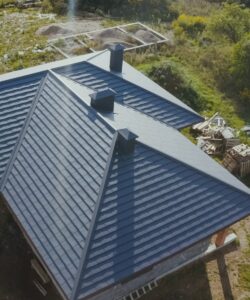
Assess the Damage and Locate the Leak

[embed]https://www.youtube.com/watch?v=-pJ4GM8kOE4[/embed]
Before you start fixing your leaky roof, it's essential to assess the damage and pinpoint the exact source of the leak. Roof leak detection is the first step towards resolving the issue effectively. Start by inspecting the attic for any signs of water stains, mold, or rot. Examine the roof surface for missing or damaged tiles, cracks, or gaps in the flashing. Pay attention to areas where different materials meet, such as chimneys or vent pipes, as they're common leak sources. Remember, the urgency of immediate action can't be stressed enough when it comes to roof leaks, as even a small leak can lead to significant damage if left unattended. Once you've identified the problem area, move on to the next section about gathering the necessary tools and materials for the repair process.

Gather the Necessary Tools and Materials

Make sure you have all the tools and materials you need to fix that pesky leak on your roof! When it comes to repairing a leaky roof, having the right supplies is essential. Here are some roofing supplies you'll need for a successful DIY roofing project: Gather these tools and materials to be ready for the next step: repairing or replacing damaged shingles. This will make sure your roof is protected and leak-free.

Repair or Replace Damaged Shingles

[embed]https://www.youtube.com/watch?v=vj6H49dnvKQ[/embed]
Once you've gathered the necessary tools and materials, it's time to tackle the task of repairing or replacing damaged shingles on your roof. You'll be amazed to learn that an impressive 95% of all roof leaks are caused by faulty or missing shingles, putting your home at risk of water damage. Carefully inspect for any signs of damage such as cracks, curling, or missing pieces. If you find any, use a pry bar to remove them. Slide the new shingle into place, making sure it aligns with the existing shingles. Securely nail it down and repeat this for each damaged shingle. Remember, using the correct repair techniques is essential for a long-lasting fix. Now, let's move on to sealing any cracks or gaps.

Seal any Cracks or Gaps

It's time to seal up any cracks or gaps. Doing this correctly can help stop leaks and ensure the roof remains sound. Here are three tips for successful sealing: Using these preventive measures will help protect your roof and extend its life. Now, let's move on to inspecting and cleaning gutters and downpipes.

Check and Clean the Gutters and Downspouts

[embed]https://www.youtube.com/watch?v=VzcQ2S5axEE[/embed]
Inspecting and cleaning your gutters and downpipes is like unblocking an artery to make sure rainwater moves away from your roof. Good roof maintenance means looking after your gutters and downpipes. Over time, leaves, rubbish, and even small animals can build up in them, blocking the flow and stopping water draining properly. It's important to check and clean your gutters regularly to stop water overflowing and seeping into your roof, which can cause leaks and damage. Use a ladder to access your gutters and remove any debris by hand or with a trowel. After that, flush the gutters and downpipes with water to make sure they're clear. Maintaining your gutters and downpipes helps to protect your roof from unnecessary damage. Now, let's move on to inspecting and maintaining your roof.

Regularly Inspect and Maintain Your Roof

Now that you've checked and cleaned your gutters and downpipes, it's time to focus on the next essential step in repairing a leaky roof: regularly inspecting and maintaining it. Roof maintenance is a vital part of ensuring the longevity and effectiveness of your roof. Regular inspections will help you identify any potential issues before they become major problems. Look out for signs of damage such as cracked or missing tiles, rusted flashing, or sagging areas. It's also recommended to hire roofing services for a thorough inspection at least once a year. These experts have the expertise and experience to spot even the smallest issues and provide the necessary repairs or roofing replacements. Bear in mind, investing time and effort into roof maintenance will save you from costly repairs and keep your roof in great condition for years to come.

Frequently Asked Questions

How often should I inspect my roof for potential leaks?

To identify potential leaks in your roof, it's important to inspect it regularly. By conducting roof inspections frequently, you can catch any issues early on and prevent further damage. We recommend inspecting your roof at least twice a year or after severe weather conditions. During the inspection, pay attention to missing or damaged tiles, cracked flashing, and signs of water stains or mold. This proactive approach will help you maintain a leak-free roof and ensure the longevity of your home.

Can I use duct tape as a temporary fix for a leaky roof?

Using duct tape as a temporary fix for a leaky roof may seem like an innovative solution, but it's not recommended. Consider alternative materials designed for temporary solutions, such as roof sealants or tarpaulins. These options provide a more effective and durable fix, protecting your roof until a permanent repair can be made.

Are there any specific safety precautions I need to take while repairing a leaky roof?

When repairing a leaky roof, safety must be a priority. Make sure to wear suitable protective gear, such as a hard hat, safety goggles, and non-slip shoes. Be aware when climbing ladders and walking on the roof, and watch out for any loose or unstable materials. Taking these precautions will allow you to repair the roof safely and avoid potential hazards.

What are the signs that indicate I need to replace my roof instead of repairing it?

If your roof is causing you grief, it may be time to say goodbye and welcome a new one. Signs that you need to replace your roof include multiple leaks, extensive water damage, sagging or bowing roof structure, and frequent repairs. Repairing may seem like an easy solution, but a replacement will give you greater stability and updated style. Don't let an outdated roof limit your protection and style.

Are there any DIY methods to prevent roof leaks in the future?

To avoid future leaks and maintain your roof, there are a few successful DIY methods you can try. Regularly inspect your roof for any signs of damage, such as cracked or missing tiles. Keep your gutters clear and free of debris to make sure drainage is effective. Apply a high-quality roof sealant or coating, which can give an extra layer of protection against leaks. Also, consider installing a roof underlayment to boost waterproofing and stop moisture infiltration.Are fed up of the same old traditional roofing designs? Yearn for a modern and innovative look for your contemporary home in the UK? Get ready to be inspired because we're about to take you on a journey through the world of modern roofing design ideas. We've got sustainable and eco-friendly options, and sleek and minimalist styles. Imagine a roof that not only safeguards your home, but also embraces sustainability and eco-friendly design. Harness the power of the sun with solar panel roofing, or create a garden oasis on your roof with living roofing. For sleek and minimalist design, flat roofing could be the perfect choice. We'll also explore the contemporary and durable options of metal roofing, as well as the advantages of skylights and roof windows that bring in natural light. So, if you're ready to explore the innovative world of modern roofing design ideas, allow us here at Castle Roofing Margate, to explain how transform your home into a true masterpiece.
Green Roofing: Embrace Sustainability and Eco-Friendly Design

[embed]https://www.youtube.com/watch?v=_7hzRq6LldY[/embed]
If you're looking to create a sustainable and eco-friendly design for your contemporary home in the UK, why not embrace green roofing? Green roofing refers to covering your roof with vegetation to reap a range of benefits for the environment and your home. Benefits include improving air quality by absorbing carbon dioxide and releasing oxygen, effectively reducing greenhouse gas emissions. Plus, green roofs act as natural insulation, keeping your home cool in summer and warm in winter, reducing energy consumption. There are various sustainable roofing materials to choose from, such as recycled rubber, metal, and even living plants, to create a visually stunning and environmentally friendly roof. By choosing green roofing, you can create a unique and innovative design for your home, while contributing to a greener and more sustainable future. To take your eco-friendly design to the next level, you can also consider solar panel roofing: harness the power of the sun.

Solar Panel Roofing: Harness the Power of the Sun

If you're considering installing solar panels on your roof, you'll be pleased to know there are plenty of advantages. Harnessing the power of the sun to generate electricity for your home reduces your carbon footprint and contributes to a cleaner environment. Cost savings and return on investment are significant - you can reduce your electricity bills and even sell excess energy back to the grid. There are various types of solar panel systems for residential homes - grid-tied, off-grid, and hybrid systems - each with its own benefits and considerations.

Advantages of Installing Solar Panels on Your Roof

There are numerous advantages to installing solar panels on your roof in the UK. Clean and renewable energy is the main benefit, allowing you to reduce your carbon footprint and contribute to a greener environment. The government incentives, such as the Feed-in Tariff scheme, enable you to earn money from excess electricity sold back to the grid. Furthermore, you can save on energy bills by decreasing your dependency on traditional electricity sources. Investing in solar panels not only embraces innovation, but also ensures a sustainable future for yourself and the planet. Moreover, solar panels offer more than just environmental benefits, with the potential for cost savings and return on investment.

Cost Savings and Return on Investment

By installing solar panels on your roof, you can experience cost savings and a high return on investment. Solar panels are made using cost-effective materials and designed to provide energy efficient upgrades for your home. The initial outlay of installing solar panels may seem expensive, but the long-term savings are considerable. Solar panels generate electricity from sunlight, reducing your dependence on traditional energy sources and reducing your monthly utility bills. Moreover, if your solar panels produce more electricity than your home consumes, you can sell the extra energy back to the grid, further increasing your savings. With the advancements in solar panel technology, the return on investment for residential solar panel systems has never been better. Now, let's explore the different types of solar panel systems for residential homes.

Types of Solar Panel Systems for Residential Homes

When it comes to solar panel systems for your residential home in the United Kingdom, you'll be amazed at the range of options. Here are five types to consider: Explore these options to find the perfect solar panel system for your home, maximizing energy efficiency and government incentives. The next section covers 'living roofing: create a garden oasis on your roof,' another innovative way to utilize your roof space.

Living Roofing: Create a Garden Oasis on Your Roof

If you're contemplating a living roof for your home, you'll be pleased to know there are several benefits. Not only does it create a beautiful garden oasis on your roof, it also provides insulation, reduces stormwater runoff, and improves air quality. When selecting plants and flowers for your living roof, choose hardy, drought-tolerant species that can withstand the harsh conditions of being exposed to the elements. To ensure the longevity and health of your living roof, regular maintenance and care is essential. This includes tasks such as watering, weeding, fertilizing, and monitoring for pests or disease.

Benefits of a Living Roof

One of the greatest advantages of having a living roof is the harmonious blend it creates between nature and modern architecture in contemporary homes in the UK. The concept of green infrastructure and urban gardening is revolutionising the way we think about roofing design. Here are three benefits:
  1. Environmental: A living roof helps reduce carbon dioxide levels by absorbing pollutants and releasing oxygen. It acts as a natural insulator, reducing the need for artificial heating and cooling, thus lowering energy consumption.
  2. Aesthetic: A living roof adds a touch of natural beauty to any contemporary home. It provides a lush, green oasis that can be enjoyed from both inside and outside the building, creating a relaxing and inviting atmosphere.
  3. Biodiversity: By creating a habitat for plants, insects, and birds, a living roof promotes biodiversity in urban areas. It helps support local ecosystems, contributing to the overall health and well-being of the environment.
Let's explore the various options available to create a vibrant and thriving rooftop garden.

Types of Plants and Flowers for a Living Roof

Now that you understand the benefits of a living roof, let's look into the types of plants and flowers suitable for creating a lush and vibrant green roof. It's important to consider plants that are drought-tolerant, have shallow root systems, and can withstand extreme weather. Succulents such as sedums and sempervivums require minimal watering and can thrive in harsh environments. Ornamental grasses like Festuca glauca and Carex comans add texture and movement. Wildflowers like Echinacea and Rudbeckia attract pollinators and add color. By selecting the right plants, you can create a stunning living roof that enhances the aesthetic appeal of your contemporary home and promotes ecological sustainability. Now let's explore the maintenance and care needed for a thriving living roof.

Maintenance and Care for a Living Roof

Maintaining and caring for a living roof is essential to ensure its long-term health and beauty. To maintain optimal condition, regularly inspect the roof for any signs of damage or wear. This includes checking for loose or damaged vegetation, and any issues with drainage systems. Clear debris, such as leaves or branches, from the roof surface and gutters to prevent clogs and water accumulation. Trim and prune plants as needed to maintain the desired aesthetic and prevent overgrowth. By following these maintenance practices, your living roof can remain vibrant and functional for years. Moving on, let's explore the sleek, minimalist design of flat roofing.

Flat Roofing: Sleek and Minimalist Design

Transform your contemporary home with a sleek and minimalistic flat roofing design. Here are four key features that make flat roofing a popular choice for modern homes:
  1. Clean lines: Flat roofs deliver a sleek and minimalistic aesthetic, creating a sophisticated look that complements contemporary architecture.
  2. Versatility: Flat roofs provide flexibility in design, enabling creative outdoor spaces such as rooftop gardens. These green roofs aren't just visually appealing but also sustainable and eco-friendly solutions, reducing energy consumption and improving air quality.
  3. Space efficiency: With a flat roof, you can make the most of your outdoor area. Whether it's creating a rooftop garden or adding solar panels, flat roofs have endless possibilities for utilizing every inch of space.
  4. Low maintenance: Flat roofs require less maintenance compared to pitched roofs. They have fewer angles and slopes, making it easier to clean and inspect regularly.
Select a sleek and minimalistic flat roofing design to elevate the style of your contemporary home. Enjoy the advantages of a functional and innovative roofing solution. Explore another modern roofing option for your home in the next section on 'Metal Roofing: Contemporary and Durable'.

Metal Roofing: Contemporary and Durable

Metal roofing in the UK offers numerous advantages, making it a popular choice for contemporary homes. Its modern design provides a stylish, minimalistic look that complements modern architecture. Plus, materials such as aluminium, steel, and copper are incredibly durable, resistant to extreme weather, and fireproof. Metal roofs also have a long lifespan and require little upkeep, saving time and money in the long run.

Benefits of Metal Roofing

Choosing a metal roof for your contemporary home can add a touch of modernity, enhancing your home's aesthetic. It's important to understand the benefits that come with this choice. One of the main advantages of metal roofing is its durability. Unlike traditional roofing materials, metal roofs don't crack, warp or rot, providing a long-lasting solution for your home. Plus, metal roofs are energy-efficient, reflecting sunlight and reducing heat absorption. This can result in savings on your energy bills, as your home stays cooler in summer. Also, metal roofs are environmentally friendly, as they can be recycled at the end of their lifespan. Looking at the different types of metal roofing materials, it's essential to explore the options available to suit your contemporary home's needs.

Types of Metal Roofing Materials

When it comes to metal roofing materials, you'll find a range of options to suit your contemporary home's needs. Metal roofs offer a sleek and modern look while providing durability and longevity. Here are some popular types of metal roofing materials: When making your choice, consider factors such as cost, maintenance requirements, and design preferences. To understand how these factors affect the overall performance of your modern roof, we'll move on to discuss the longevity and maintenance of metal roofs.

Longevity and Maintenance of Metal Roofs

To ensure its longevity and maintain its beauty, a metal roof requires regular maintenance. Known for their durability and long lifespans, they still need attention to stay in optimal condition. Inspections should be conducted regularly to check for signs of damage, such as loose or missing screws, rust spots, or dents. Address any issues promptly to prevent further damage. Clean the roof regularly to remove debris, dirt, and leaves that can cause potential problems. Applying a protective coating can help enhance corrosion resistance and extend its lifespan. Proper maintenance of your metal roof will ensure its longevity and provide cost efficiency and energy savings benefits. Skylights and roof windows can further enhance the beauty and functionality of your contemporary home.

Skylights and Roof Windows: Bring in Natural Light

Bring natural light into your contemporary home by adding skylights or roof windows. Skylight installation is a popular choice for homeowners looking for innovative roofing design. Skylights are installed on the roof, bringing in direct sunlight and creating a bright and airy atmosphere. Another option is a roof window design, which allows even more natural light to enter your space. These windows tend to be larger and can be opened, providing both light and ventilation. Roof windows also add a modern touch to your home, making it attractive both inside and out.

Frequently Asked Questions

How much does it cost to install a green roof?

Installing a green roof in the UK can vary in cost depending on various factors such as size and complexity of installation. Typically, it costs between £50 and £200 per square metre. The benefits of a green roof are numerous; it provides insulation and reduces energy costs, improves air quality, reduces stormwater runoff, and contributes to biodiversity. In addition, green roofs have a positive environmental impact by reducing the urban heat island effect and absorbing carbon dioxide.

Are solar panels suitable for all types of roofs?

Solar panels are suitable for most types of roofs in the UK, such as flat, pitched, and curved. Installation involves mounting the panels onto the roof with brackets and securing them in place. Benefits include clean and renewable energy, reduced electricity bills, and even surplus energy that can be sold back to the grid. Invest in solar panels and take your home to the next level.

What types of plants are best suited for a living roof?

For the best-suited plants on a living roof, consider those with shallow root systems, drought tolerance, and resistance to wind and sun exposure. Sedums, grasses, and wildflowers are popular options. Green roofs provide numerous benefits, such as reducing stormwater run-off, improving air quality, and providing insulation. Regular maintenance is essential to maintain a living roof, such as watering, weeding, and fertilising. Additionally, inspecting for pests and monitoring plant health ensures the longevity and success of the green roof.

Can a flat roof be converted into a rooftop garden?

Yes, a flat roof can be converted into a beautiful rooftop garden. For example, in London, an office building transformed its unused flat roof into a lush green oasis. Pros of rooftop gardens include improved air quality, reduced energy costs, and increased urban biodiversity. However, there are cons to think about, such as regular maintenance and potential waterproofing issues. To make a successful rooftop garden, make sure there's proper drainage, select appropriate plants for the climate, and provide irrigation systems.

Are metal roofs more expensive than traditional roofing materials?

Metal roofs are generally more expensive than traditional roofing materials such as asphalt shingles. However, their durability makes them a worthwhile investment in the long run. Metal roofs have a longer lifespan, with some lasting up to 50 years or more. They're also more resistant to damage from weather conditions like wind, rain, and snow. Initial cost may be higher, but their durability and longevity make them a popular choice for homeowners seeking a modern roofing solution.
01843 305243