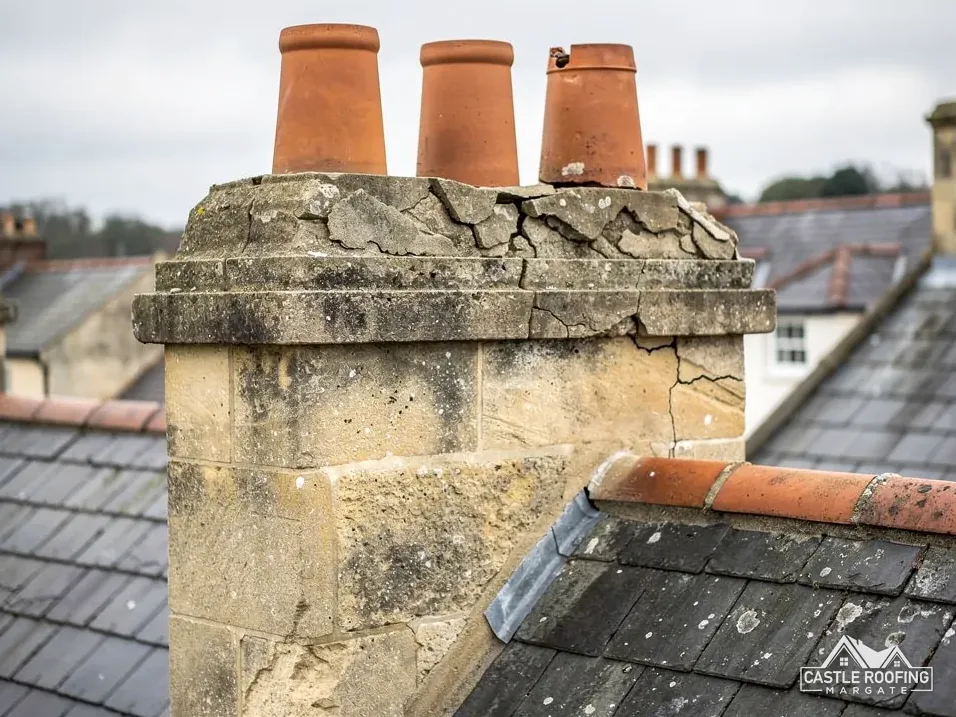
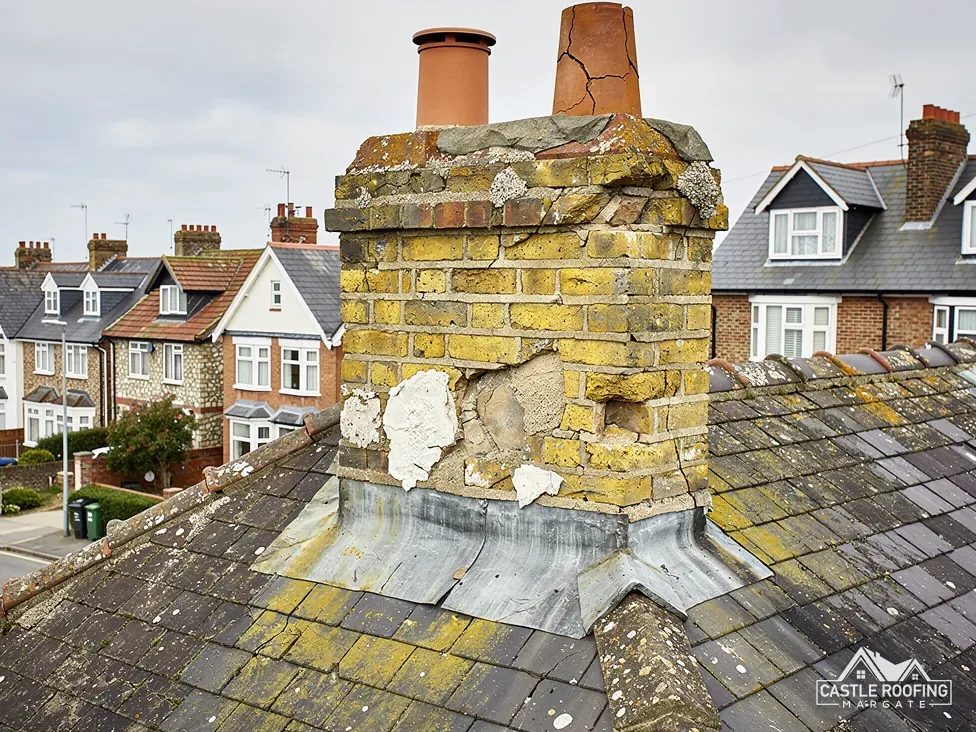
The first hour: keep clear and take photographs
After a storm, the danger is what can still fall. A loosened pot, a displaced brick or a stack that has shifted can come down in the next gust. Keep children, pets and cars clear of the walls and ground beneath the chimney, and stay out of any room directly under it if the ceiling looks damaged.
Do not climb up to look. From the ground or a window, take clear photographs of the stack, of anything that has landed in the garden or on the roof, and of any damage inside. To the Institution of Structural Engineers, photographs are vital to an insurance claim as a visual record of the damage. Take wide shots and close ones, note the date and time, and keep any fallen bricks or pot pieces if collecting them is safe.
If a fire or boiler uses the flue, do not light it until the stack has been looked at. A cracked flue or a blocked cowl is a risk that cannot be judged from a distance.
Which? says: "Most insurers have 24-hour emergency helplines." The number is usually on your policy documents.
Telling the insurer, and what counts as a storm
Tell your insurer first, before any permanent repair, and say that you are arranging to make the chimney safe. Keep receipts for emergency work, as they are part of the claim. We can make a stack safe and give you written details of what was done, but the claim itself is yours to make with the insurer.
The Financial Ombudsman Service has published its own view of what makes a storm: wind of a violent kind, generally bringing rain, hail or snow, while rain, hail or snowfall alone is also capable of being one. Insurers may set a wind level of their own on the Beaufort Scale, and exclusions often cover gradual damage and wear and tear.
So two things matter: what your policy's storm wording says, and whether the damage looks sudden or gradual. A stack that was already crumbling may be treated differently from one that was sound until the wind came. The insurer makes that call first. Where you dispute an insurer's decision, the Financial Ombudsman Service can be reached on 0800 023 4567.
Making safe, then repair or rebuild
Making safe is the first job. It can mean removing loose bricks or pots, dismantling the unstable top of a stack, sheeting over an exposed roof opening or fitting a temporary cap. It needs working at height, usually from a scaffold or tower, and it is kept to what stops the danger so the insurer can see the damage.
The permanent work follows the survey. In rough terms:
- Repair, where the stack is sound and a pot, cowl, flaunching or lead flashing has failed.
- Partial rebuild, where the top courses have been loosened and the lower stack is firm.
- Full rebuild, where the stack has moved, split or lost bricks across its height.
Cost depends on what failed. MyJobQuote's emergency roofer guide (22 October 2026) gives a typical UK range: storm repairs start at around £300, while extensive storm damage can cost £1,200 or more. Those figures are for roof storm damage in general, not specifically chimneys, and the price for your stack is set after a survey.
See rebuilding a chimney stack for the bigger job.
After the make-safe
Once the stack is safe, the survey looks at the causes as well as the damage. Wind-driven rain finds weaknesses that have been building up for a while: cracked flaunching, open joints, lifted flashings and pots that have worked loose. Putting only the storm damage right can leave those to fail next winter.
Designated houses bring their own checks to the permanent repair, so a make-safe on a listed or conservation-area home is limited to what the danger demands. Our pages on insurance and chimney repairs and a chimney pot that has fallen off cover the related cases.
Keep the photos, the survey notes and the receipts together in one folder, paper or digital, so that the whole story from the first gust to the last invoice is in one place, ready for the insurer, a loss adjuster or the next buyer of the house. If the insurer sends an assessor, the stack should be left as it is until they have seen it, apart from the safety work, and any parts removed for safety are set aside and labelled.
Once the survey is done, one written total covers the permanent repair. The whole range of stack work is listed under chimney repairs.