The 2023 RICS announcement, read carefully
RICS, the professional body for surveyors, launched a consumer guide on spray foam on 3 March 2023. Its press release spoke of worry in particular corners of the lending market, equity release being one, and said that worry was now reaching lenders more widely.
Read that slowly, because it is easy to inflate. It describes a worry. It gives one example, equity release. It does not say every lender shares the worry, or that any mortgage has been refused, or that any lender has a ban.
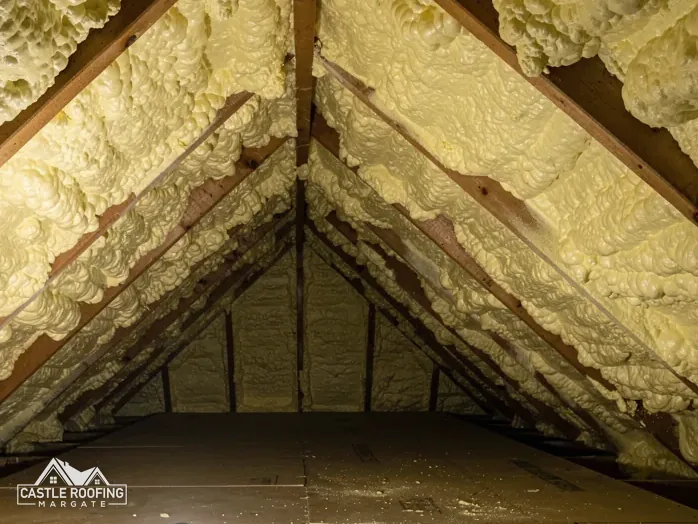
The same guide gives homeowners practical advice: check with your mortgage provider whether the lender's policy allows foam products to be installed. Alongside it sits a plain statement that roof timbers under foam cannot be properly seen or inspected.
Those two points are the root of the issue. A lender wants to be sure of the property it lends against, and covered timbers are harder to be sure of. The rest of this page follows from that, and it is why the advice is to ask early, before a valuation is booked.
What that means for a mortgage
In practice the guide leaves you with a question to ask, not an answer to assume. Lenders set their own policies, valuers report on what they can see, and outcomes depend on both. Three situations show how it plays out:
- You are buying a house that already has foam, and the lender's valuer notes it.
- You are remortgaging a house you installed foam in yourself, and the new lender asks about it.
- You are planning to fit foam, and want to know beforehand whether your lender minds.
In each, the reliable source is the mortgage provider, whether that is the bank or the broker acting for you. A broker is useful here because they can ask several lenders what their policy is, in advance of an application.
It is worth doing early. Finding out at the valuation stage, with a purchase date fixed and a chain waiting, is a poor moment to learn that a lender wants more information about the roof. Ask what they would want to see: a report, a loft inspection, or confirmation of the foam type. Write down the name of whoever answers.
What a lender may want to see about the roof
This section is general, because requirements belong to the lender and no list speaks for them. What can be said is what makes a roof easier to assess, whoever is asking.
Timber that can be examined is the main thing. If the foam has been removed and the rafters and felt checked, there is a record of what they looked like, and that record answers the concern RICS describes. Dated photographs taken at the time carry weight, because they show the condition of the wood before any new insulation covered it.
A written scope of the work done, receipts, and details of any ventilation or insulation put in afterwards complete the picture. Our spray foam survey page describes the inspection that produces them.
If you are an equity release applicant or a homeowner thinking of becoming one, the specific page is spray foam and equity release. That is where the sector named by RICS gets its own treatment. Its lenders have their own questions, and the page sets them out in order.
When removal becomes the sensible step
Removal is not always needed. A provider may say the foam is acceptable, or it may ask only for a survey before going further. It is a personal decision and it follows the answer you get, which differs from household to household.
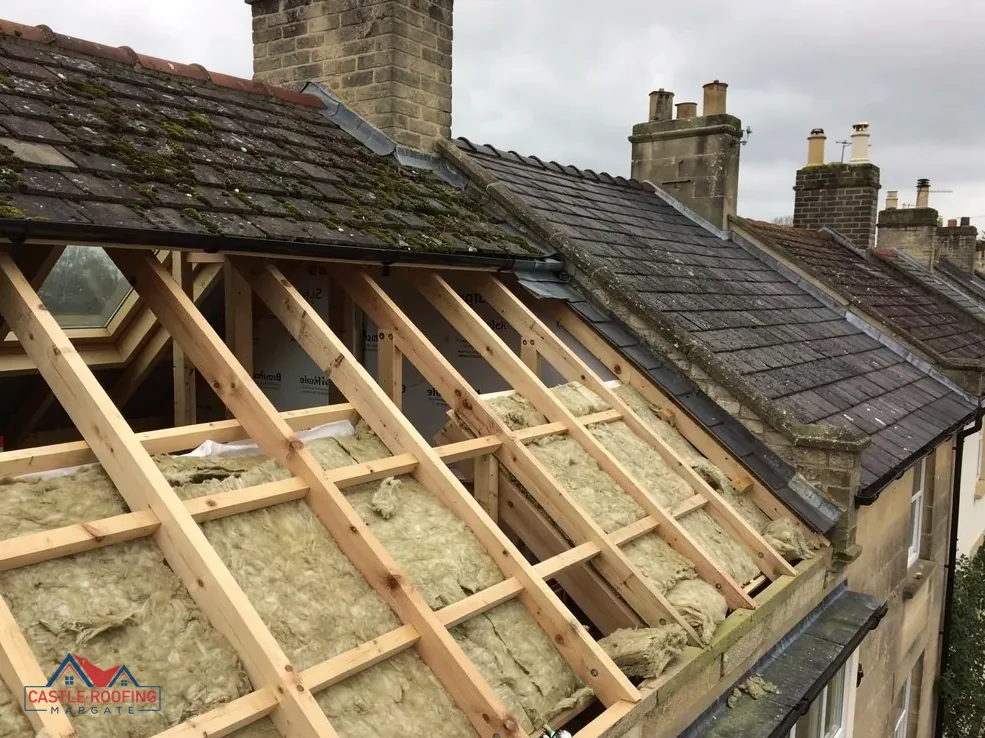
Where a lender or valuer asks for the roof to be opened up, or where you would rather settle the question once and for all, taking the foam off and checking what is underneath is the direct route. Roofers cut and scrape the foam from the rafters, bag it, inspect the felt and timbers and repair what they find, and then the loft is insulated again.
Seeing the work in order is useful before you decide. Spray foam removal explains it, and the removal question page covers whether the whole job is possible on your roof.
The survey comes first. It tells you what is on the roof, how it was applied and what state the timbers seem to be in. Keep the paperwork from every step, because a lender, a buyer or a valuer may ask for it later, and a tidy file saves weeks.