What RICS has said about it
RICS, the Royal Institution of Chartered Surveyors, published a consumer guide to spray foam insulation in March 2023. Its release spoke of concern in parts of the lending market, equity release mortgages being one example, with a wider impact on lenders, and the guide itself was written for householders.
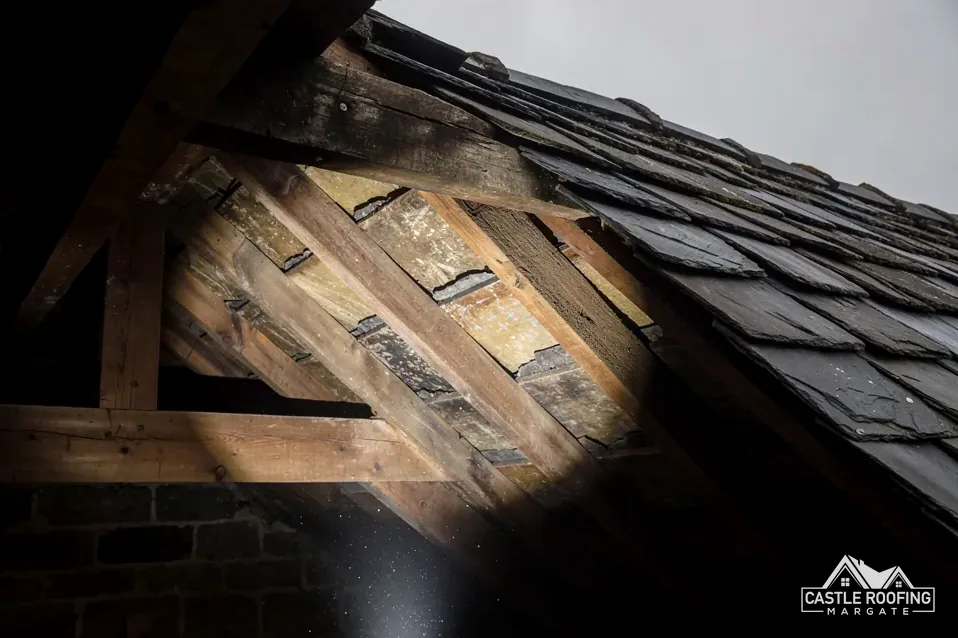
The guide itself makes two practical points. Where foam coats the roof timbers, they cannot be fully viewed or checked. And before foam goes in, you should ask your mortgage provider if its lending policy permits the product.
Neither statement says foam is always harmful. Both explain why a surveyor, a buyer or a lender may want to know more. Our equity release page looks at the lending side in more detail.
RICS is a professional body, and its guide is written for householders. It sets out the questions to put to an installer and a lender, and it is cautious in tone rather than alarmist. Quoting it fairly means saying that: it flags concerns and asks for checks, and it does not say that all foam must be removed. For a seller, the distinction counts: a buyer's surveyor who cites RICS is pointing at an unknown, not at a defect.
What the Energy Saving Trust adds
The Energy Saving Trust is a charity that gives independent energy advice. Its guidance on foam sprayed under a roof says the foam partly seals the timber, and that rot follows if water leaks in. It adds that open-cell foam carries a lower risk.
On a roof that already leaks, its advice is short: it does not recommend spraying it.
Read fairly, that is a statement about water. Foam on a sound, dry roof is a different case from foam on a roof that was leaking. The trouble is that once foam covers the rafters, nobody can easily tell which situation they are in.
The difference between the two types of foam is set out in the guide to open-cell and closed-cell foam. The Trust's wording is written for householders choosing insulation, and its distinction is useful when you are working out how worried to be. Open-cell foam is the kind it rates as lower risk, while closed-cell foam gets no such reassurance, so knowing which you have is a sensible first step.
Not every foamed roof needs removal
It would be wrong to say every foamed roof is a problem. Some have been sprayed well, onto a dry roof in good order, and show no sign of trouble. For those, leaving the foam in place can be a reasonable decision, particularly if the house is not being sold or remortgaged soon.
These are the situations in which owners look again at the foam:
- a sale, a remortgage or an equity release application
- a leak, a damp patch or a stain on the ceiling below
- a buyer's surveyor who could not inspect the timbers
- repairs to the covering that the foam makes hard to do
- a wish to put a different insulation system in
None of these forces removal. Each is a reason to find out what is underneath before deciding.
The point to hold on to is that foam is a material and not a diagnosis. A sound roof under foam is a sound roof, and an unsound one is a problem whatever covers it. What the foam changes is how easily anyone can tell the difference.
A survey decides, not a rule
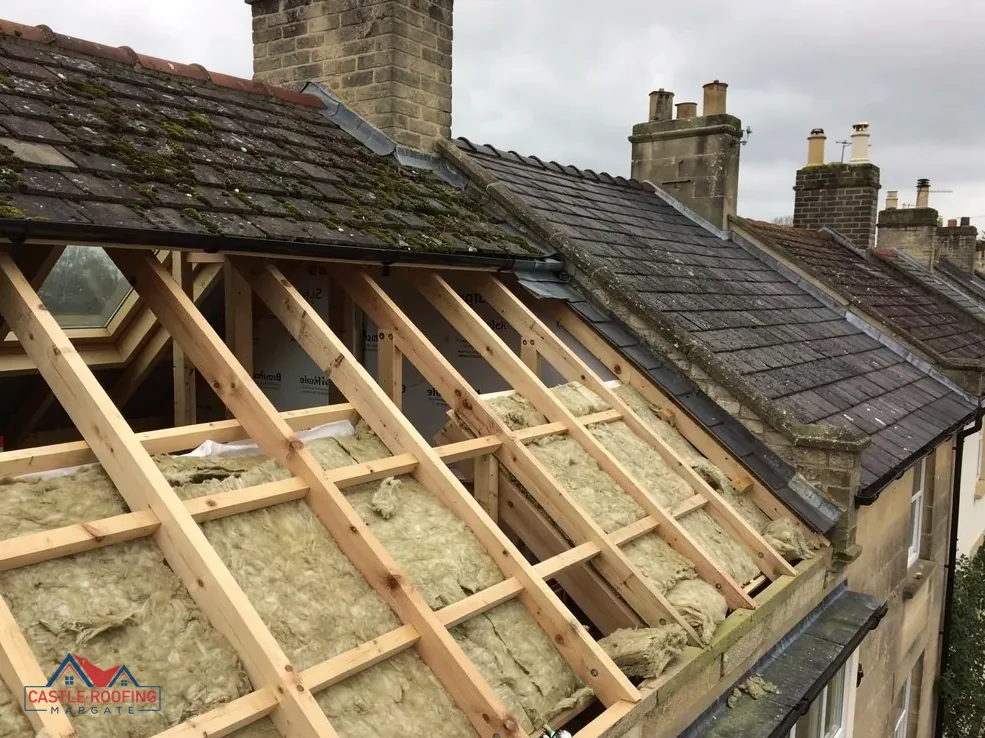
A roofer who inspects the roof can look for the signs that matter: damp staining, daylight, lifted tiles, the condition of the felt where it can be seen and how the foam has been laid. Where the foam covers the timbers completely, some checking is only possible if part of it is cut back, and the survey says so.
The outcome is one of three things. Leave the foam, because the roof is sound and nothing is pressing. Watch it, with a check at set intervals. Or remove it, in whole or in part, and renew whatever the foam was hiding.
That recommendation comes with a reason you can read, in plain words, with photographs of your own roof.
The work itself is set out under spray foam removal. If you go ahead, the price comes as one written total. If you are selling, the survey report is also a useful document to keep. A buyer's surveyor who finds foam over the timbers will ask what was seen, and a clear report with photographs answers that without delay. It shows what the roof looked like on the day.