What can still be seen with foam in place
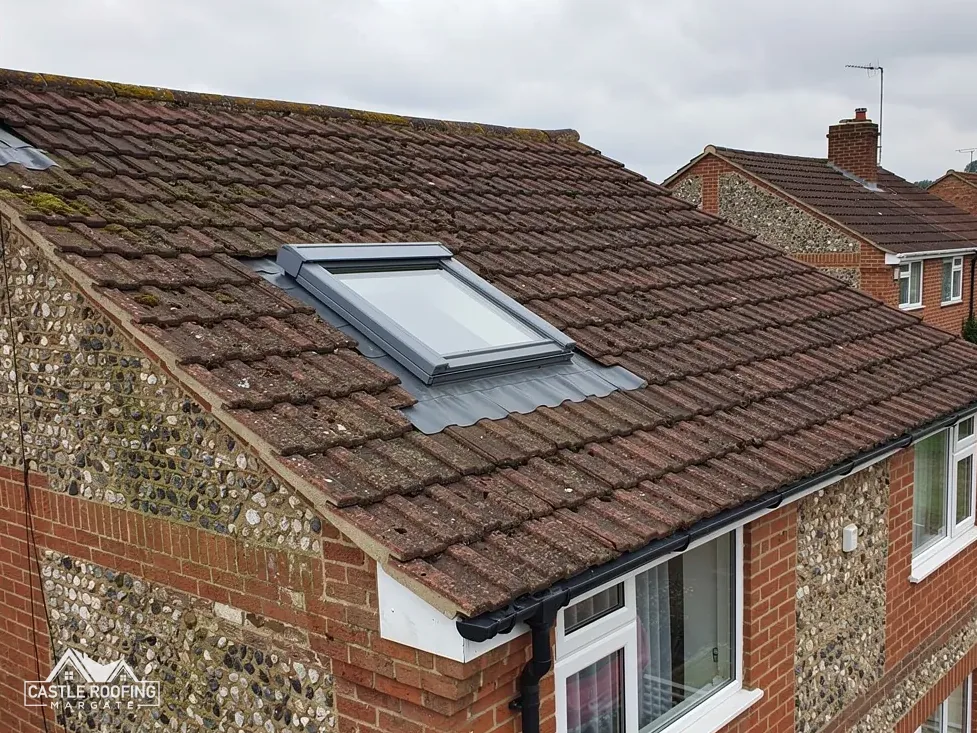
Foam goes onto the roof from below, between and over the rafters. It leaves the outer covering alone, so most of a roof inspection works as it always did. From a ladder, a scaffold or the ground, a roofer can check:
- the tiles or slates for slips, cracks and gaps
- the ridge, hips and verges and how they are fixed
- the flashings and lead at chimneys, walls and valleys
- the gutters, fascias and downpipes
Inside the loft, the foam itself can be examined for gaps, shrinkage or staining, and the gable walls and any unfoamed areas can be looked at in the normal way. A tear or a lifted edge in the foam layer can point to movement behind it.
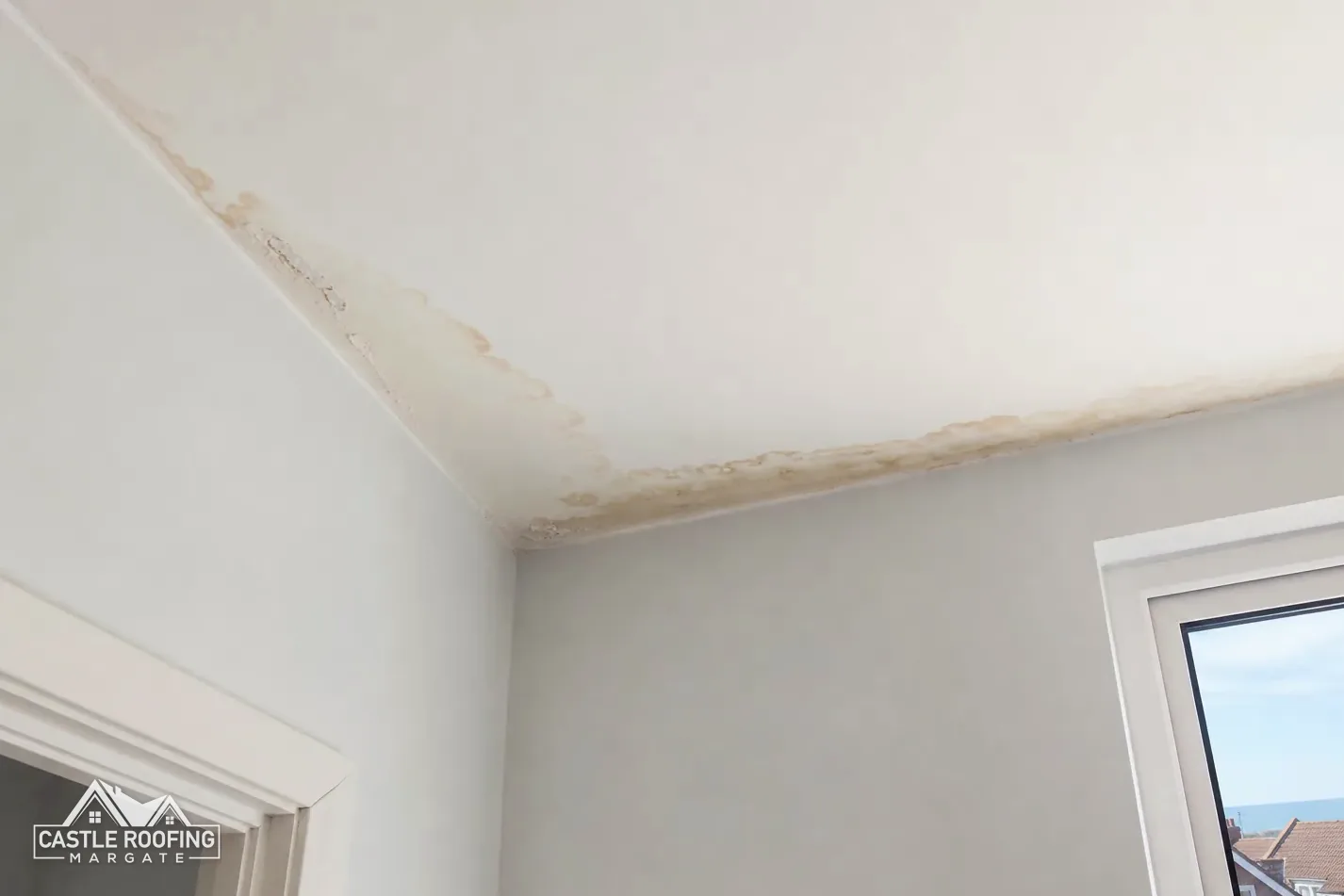
What the foam stops is the view of the roof timbers that carry the covering. Rafters, battens and the back of the underlay now sit under a solid layer, so a leak that soaks the wood may show little sign inside until the damage is well advanced. That is the core of the difficulty, and everything below flows from it.
The RICS position and what it means for buyers
RICS, the body behind chartered surveyors, covers this in its consumer guide on spray foam. Where the timber roof is coated, the guide says, the wood is hidden to such a degree that a surveyor cannot give it a full inspection. A surveyor can note the foam and report the limit, but cannot say what condition the wood is in.
Lenders have taken an interest. A RICS release of 3 March 2023 reported unease among lenders in specialist corners, equity release being the example it gave, and a knock-on effect for lenders more widely. Lenders set their own rules, so one may accept foam where another asks questions. The guide advises buyers to ask their own mortgage provider whether its policy permits the product. That is a reason to ask early, not to assume a sale will fail.
| Ask | Why |
|---|---|
| Who fitted it, and when? | Dates the foam |
| Open-cell or closed-cell? | Changes the rot risk |
| Is the lender content? | Affects the loan |
Rot risk and the leaking-roof warning
The Energy Saving Trust explains why the timbers matter. Foam bonded to the rafters partly seals the wood, and if a leak gets in, the water can set the timbers rotting. The Trust rates the danger as much reduced with the open-cell kind, which is a lower risk and never a zero one. Neither type removes the need to know the roof is watertight, and the buyer still has to ask which type was used.
On a roof that already leaks, the Trust does not recommend spraying. Foam sprayed over a wet or leaking roof traps the damp and hides it, so a problem that could have been mended cheaply becomes a hidden one. The sound order is to find the leak, repair it, let the timbers dry and only then consider insulation.
For a house you already own with foam in the loft, the practical step is to keep the outside of the roof in good order. Gutters, flashings and the covering are what stop the water reaching the hidden timbers, and all of those can be inspected. The yearly outside check in how often a roof should be inspected matters more with foam than without it, because the loft will not warn you.
Removal and a fresh look at the timbers
When a buyer, lender or owner needs to see the wood, the only sure route is to take the foam off. Removal is specialist work, and it leaves the rafters to be cleaned, checked and, where needed, treated or replaced. The cost depends on how much foam is there and how firmly it has bonded, and a figure comes only after someone has seen the roof and the loft.
After removal, a roofer can inspect the timbers properly and report on them, with photographs. That report is what a lender or purchaser is likely to want in hand. Conventional insulation can then go back in a form that leaves the rafters visible, so the next inspection has a clear view of every rafter and a lender can be shown the evidence in photographs.
If you are weighing it up, start with an outside inspection and a record of the loft as it stands. That tells you whether removal is worth it before you commit. Whatever you decide, keep the paperwork for the foam and any removal together with the house papers. Book through roof inspections, or compare approaches in RICS survey or roof inspection.