Decide between the two reports, or pair them, with a clear view of what each can say about a roof, what each leaves out, and what to ask before you exchange contracts.
A house purchase brings a pile of paperwork, and the roof sits somewhere in the middle of it. A RICS surveyor works through the whole building: walls, floors, damp, drains, windows, services and the roof among them. A roofer works through one thing. Both have a place, and they answer different questions.
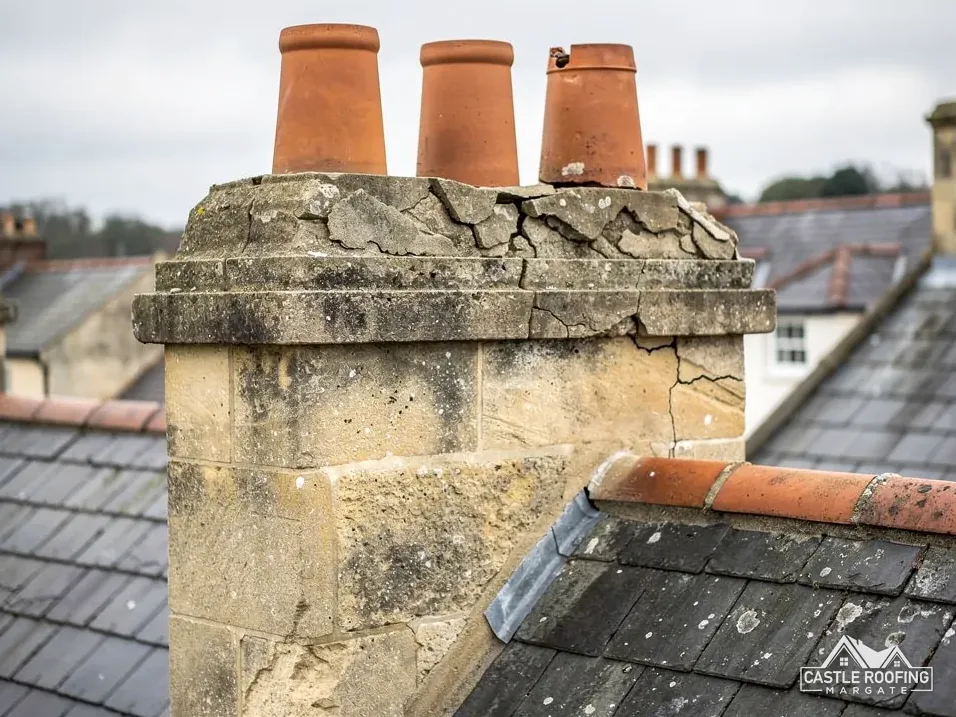
The surveyor can tell you whether the house as a whole is a sound buy and what to raise with the seller. The roofer can tell you what the slopes, ridge, valleys, flashings and chimney are doing now, which parts are near the end of their life, and what a repair would involve. Flashings are lead or other metal worked over joints, for instance where a slope abuts a chimney stack.
This guide sets the two reports side by side. It covers what a building survey says about a roof, what a roof inspection adds, how a spray foam finding changes the picture, and the order to do things in when you are buying. It belongs with our wider roof inspection work in Margate and across Thanet, and it is written for the buyer holding a survey and wondering what to do with the roof paragraph.
What a building survey is built to do
A building survey is a whole-house report. Its job is to describe the condition of the property, flag the defects that matter to a buyer and point out what needs a specialist's opinion. The roof is one section among many, set beside the walls, the floors, the damp readings, the drains and the services.
That breadth is its strength and its limit. The surveyor has an entire house to cover, so the roof gets the share of attention one visit allows. How closely it is examined depends on what can be reached and on the scope the report states for itself. Read the roof section for its wording: what was seen, from where, and what was assumed.
Wording worth looking for in that section:
- "not inspected" or "not accessible", which means nobody looked at that part
- a recommendation that a roofer examines the roof, which is the surveyor handing the question on
- a remark about the age or condition of the covering, with no repair described
- a mention of the loft, and whether it was entered or only seen from the hatch
None of those is a fault in the report. They show you where the report stops and where a closer look can start. A buyer who underlines them in the survey before calling a roofer saves a visit's worth of explaining. Our guide to whether a homebuyer survey checks the roof goes through that wording in more detail.
What a roofer adds on the roof itself
A roofer goes onto the roof, or as near to it as the access allows, and works through it part by part. The ridge caps the very top of the roof. A hip runs down the roof where two slopes join at a projecting corner. A valley is the dip formed where two slopes join in a recessed corner, with both of them draining into it. The verge is the border of the roof that climbs a gable end, where the covering stops short of the wall. Each of these gets looked at as its own detail, since a roof fails at its weakest joint rather than across the whole slope.
The loft comes next. From inside, the underside shows what the covering is hiding: daylight at a slipped slate, a damp stain on a rafter, the underlay torn or sagging. Underlay is the sheet laid under the battens, and the battens are the timber strips the slates or tiles are nailed to.
What you receive back from a roofer:
- photos of your own roof, close enough to show the fault itself
- a list of what is sound, what is wearing and what needs work now
- a note of what could not be reached
- a view on repair or replacement, with the repair that suits the roof put first
A roofer also holds the other half of the buyer's question, which is what the work would involve and what it would cost. A surveyor cannot settle that, and it is the point a buyer negotiating on price most wants answered. A roofer will also say when mending beats replacing, which changes the figure you take to the seller.
The two reports side by side
Set out as the questions a buyer asks, the difference between the two looks like this.
| You want to know | Building survey | Roofer's inspection |
|---|---|---|
| Is the house sound overall? | Yes, its main purpose | No, it stays on the roof |
| What are the ridge and valleys doing? | A general view, within one visit | Each looked at as a detail |
| Is there damp in the walls? | Covered | Only where the roof causes it |
| What would a repair involve? | Left to a specialist's opinion | Described, with photos |
| What would it cost? | Not a roofer's figure | Priced after the visit |
Neither column is the better report. They cover different ground, and the right choice depends on what you are trying to find out before you commit. Ask what you would do differently if the answer came back bad: if the answer is walk away or renegotiate, the report is worth having.
A buyer with a newer house and a roof the survey describes as sound may be content with the survey alone, and can save the cost of a second visit. Even then, a roofer can confirm the survey in an hour if you want the roof checked from close up. A buyer whose survey mentions slipped slates, a worn ridge or a tired chimney stack has been handed a specific question, and a roofer is the person to answer it.
When the survey names the roof
A survey that says the roof needs attention has done its job, and the next step belongs to a roofer. Move in this order:
- Ask the surveyor which part of the roof the comment relates to, and from where it was seen.
- Book a roofer's inspection of that slope, stack or valley, with the survey to hand so the two reports are read against each other.
- Ask for photos and a written account of the fault, the age of the covering and the likely work.
- Take the figure to the seller or the agent as a number rather than a guess.
Citizens Advice recommends written quotes from at least 3 different traders before you decide on one. That applies to repair work found at a purchase as much as to any other job, so a second opinion on a large figure is reasonable, and it gives the seller more reason to take the number seriously.
If the house is listed, the order changes slightly. Listed buildings need listed building consent when works affect their character, so the repair route is settled before anyone agrees a price. Ask the roofer to say, in the report, which findings would fall under that consent and which are plain maintenance.
Keep the survey and the roofer's report together in one folder. If the roof comes up again at resale, both show what was known and when.
Foam on the underside of the rafters
One finding crosses the line between the two reports: spray foam applied to the underside of the roof. RICS published a consumer guide on it in March 2023, and its press release spoke of concern in "specific sectors of the lending market", naming "equity release mortgages", with a "wider impact on lenders". The guide itself tells readers to "Do check with your mortgage provider" about whether "their lender policy allows" this kind of installation.
For an inspection the issue is access. Once foam is on, RICS says, the roof timbers underneath "cannot be fully seen" or inspected. A surveyor and a roofer meet the same wall there, and what sits under the foam cannot be judged by either of them from the loft side.
The Energy Saving Trust warns that if the roof leaks, the water "will cause the timbers to rot" behind the foam, and calls the risk "much lower" with open-cell foam, a lower risk that still falls short of none. On spraying a roof that already leaks, the advice reads "We don't recommend" it. That makes any leak history a thing to establish before you rely on a foamed roof.
If you are buying a house with foam in the roof, ask:
- who fitted it, when, and whether any paperwork came with it
- whether the lender on your mortgage has been told, and what they said
- whether the roof leaked before the foam went on
Our page on inspecting a roof with spray foam explains what a roofer can still check from outside.
Write the answers into your notes beside the survey. A mortgage provider may ask about the foam later, and a buyer who knew about it at the time is better placed than one who found it afterwards.
Using both when you are buying
For most buyers of an older house the sensible pairing is the survey first and the roofer second. The survey tells you the whole story of the property and where the roof sits inside it. The roofer then answers the roof questions the survey raised.
Timing matters more than the order. A roofer's visit needs a day when the house can be reached, and a seller's agent will want notice. Ask early, before the point where a delay costs you the purchase. Tell the agent the visit covers the roof and loft only, so the seller knows nobody is measuring rooms or testing the boiler.
A sensible sequence:
- read the survey's roof section and mark every phrase that says "not seen" or "recommend further inspection"
- arrange the roofer's visit through the agent, giving the address and the survey's wording
- ask for photos of each part named in the survey, plus the loft where it can be entered
- use the findings in the price talk, with the roofer's written account behind them
If the roof is sound, you have lost an hour and gained certainty. If it is not, you have found out before exchange, when the price can still move. A roof report for a mortgage lender is a separate matter, and one to raise with your lender before you pay for a visit. Whatever the outcome, keep the photos with the other purchase papers.