Why a rooflight is such a weak point on the roof
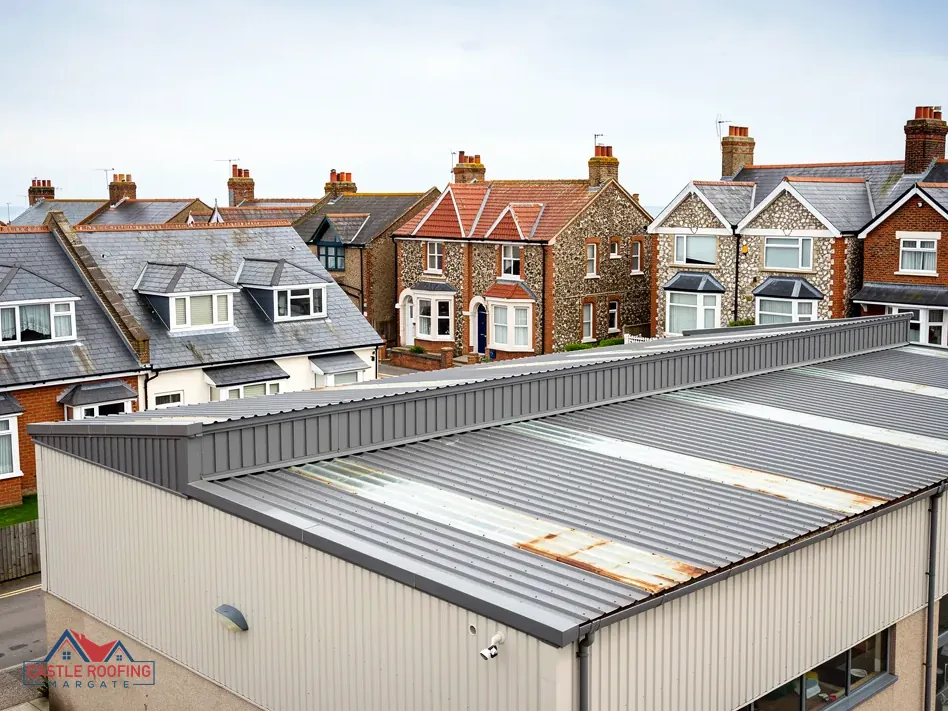
A rooflight is a translucent panel set into the roof so daylight reaches the floor below. On an industrial building it is usually a profiled sheet of plastic or glass-reinforced material that matches the corrugations of the roof sheets around it. Over the years sun and weather make the panel brittle, and grime turns it opaque, so it blends with the rest of the roof when it is anything but.
That is the danger. From above, a weathered rooflight in a run of grey sheets can be hard to see, yet it will not carry a person. HSE's guidance calls any asbestos cement roof fragile, with no exceptions, and the same caution applies to any old roof sheet or panel until it has been shown to be sound.
The Work at Height Regulations 2005 shape the planning. Regulation 6(3) requires employers to take preventive measures against falls, as far as the job reasonably allows. Swapping a rooflight is work at height on a fragile surface, so that duty is where the method begins.
How the work is made safe
Safety is set up before the rooflight is touched, and the order matters:
- The access route is chosen so nobody walks across the fragile roof to reach the job: a tower or a mobile platform, or a ladder to a protected edge.
- Edge protection goes up along the open edges, which on many industrial buildings means the eaves and gable ends.
- The roof is covered with staging or crawling boards that carry weight onto the purlins (the rails the sheets are fixed to), never onto the sheets or the lights.
- Safety netting is fitted below the rooflights where the building permits it, so a fall through the roof is arrested.
- Neighbouring lights are marked and covered, so they are not mistaken for sound sheet.
Inside the building the area below is cleared or fenced off, which often means a call with the site manager about stock, machinery and people. Roof edges get their own treatment: roof edge protection explains what that looks like.
Nobody stands on a rooflight at any stage, however new the replacement seems.
Matching the profile and sealing the laps
A replacement rooflight has to match the profile of the roof sheets: the pitch and depth of the corrugations, the sheet width and the lap. A panel with the wrong profile will not sit flat against the sheets beside it, and the gap becomes a leak. On an older roof the original profile may no longer be made, so the survey records the measurements and a close match is found, or the neighbouring sheets are replaced too so the whole run is uniform.
Fixing and sealing follow the maker's instructions. The new panel is set over the purlins, fixed through the crests with the fixings specified for it, and sealed at the side laps and end laps so water cannot track in. Fixing a panel through a valley puts the hole where the water runs, so the position of each fixing is part of the specification.
The edges of the opening matter too. Where the old unit has dropped moisture onto the sheets around it, those sheets may be corroded, and the survey looks for that before the new light is ordered.
What to check before the work starts
Four points are worth settling with whoever is doing the work, before the date is fixed:
- Which rooflights are being replaced, and whether the neighbouring sheets are included.
- How people will reach the roof, and what protects the edges and the openings.
- What happens inside the building during the work, including the area below and any production that must pause.
- Whether the sheets might contain asbestos. If the building dates from before 2000, HSE advises presuming it does until a survey says otherwise.
If asbestos cement sheets surround the lights, the work follows the asbestos rules, and our page on asbestos cement roof sheets sets out how that changes the plan. The same safety thinking applies on any fragile roof.
Where the work goes beyond a simple swap, for example a larger area of rooflights in place of solid sheet, ask the council's building control team whether it needs to be told, since a larger glazed area changes how the roof performs. The same survey fixes the price once the plan is agreed, as one written total, and the wider service is described under commercial roofing.