What a dry ridge is
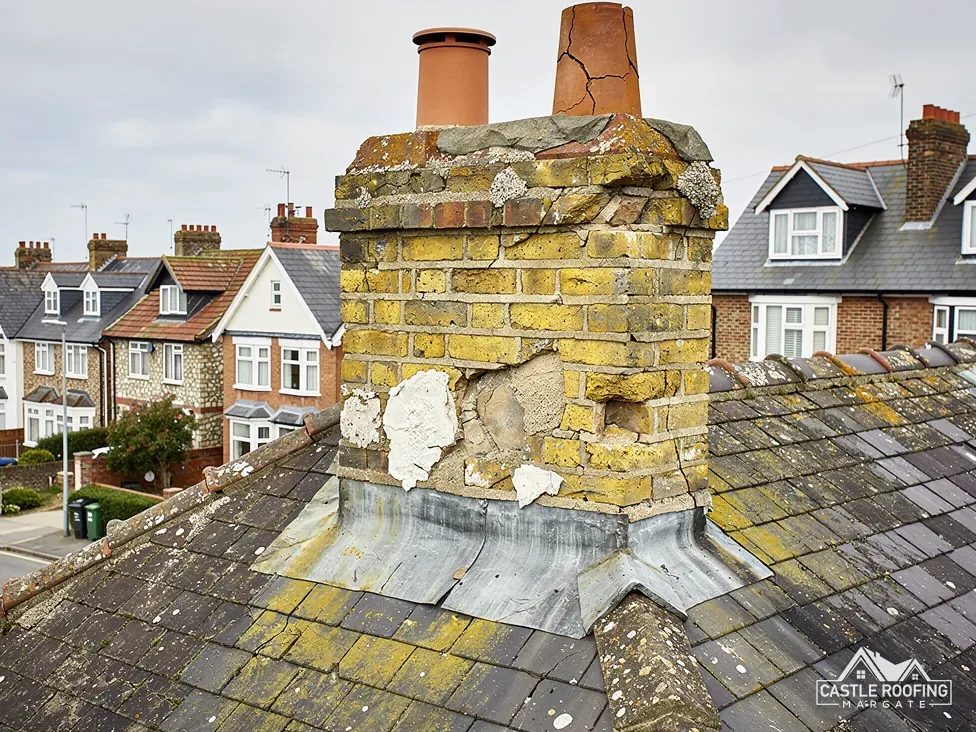
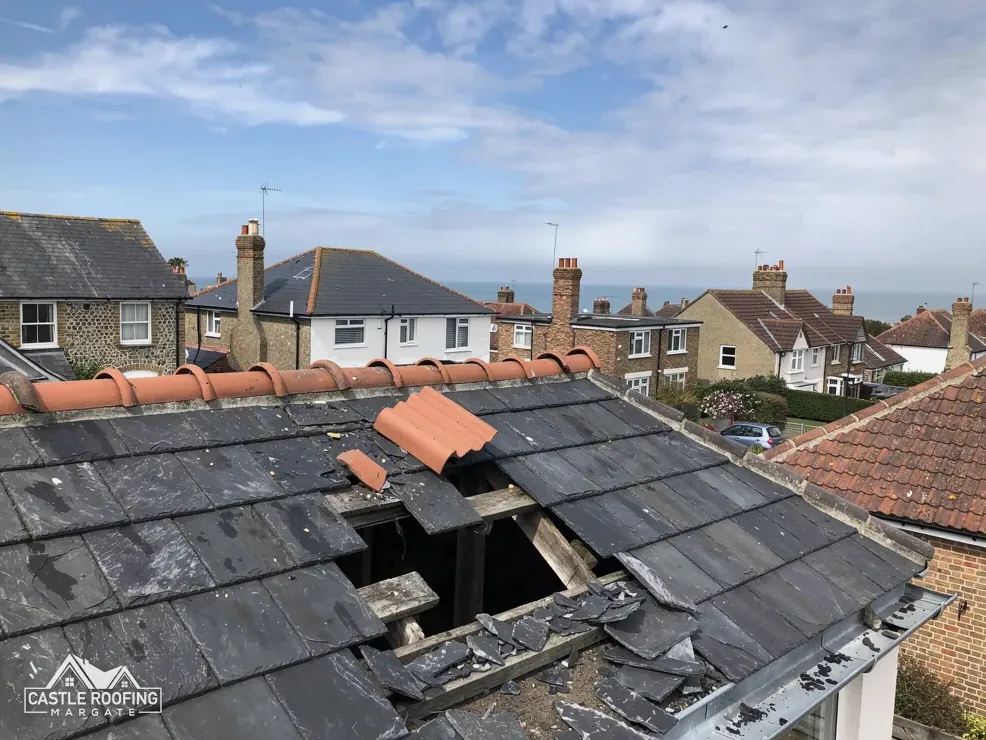
The ridge caps the top of a roof where two slopes meet, and hips cap the sloping lines at outside corners. Traditionally the ridge pieces are bedded on mortar. A dry ridge swaps that bed for a mechanical system: clips, brackets or screws fix the ridge pieces to the roof structure, and a roll or filler section closes the gap beneath them.
The idea is that mortar fails. It shrinks, takes in water, freezes and drops away, and a ridge piece sitting on cracked mortar can shift in a gale. Mechanical fixings keep the piece held even if the bedding goes. Some dry ridge systems also let a little air out at the ridge, which helps loft ventilation, but that depends on the product, so the data sheet decides.
It is still a ridge cap, with the same job of shedding water over the join between the slopes. Slate itself is not changed by any of this. What changes is how the cap is held, which counts when a gale gets under the ridge.
For the verge side of the same idea, see dry verge on slate.
What the standards say
Two British Standards sit behind the choice. BS 8612:2018 is the current standard for dry-fix systems on ridges, hips and verges. BS 5534:2014+A2:2018 covers how slating and tiling should be fixed, repairs included. It does not have the force of law, though roofers and manufacturers work to it.
Marley explains that the 2015 amendments ended reliance on mortar by itself to secure a covering. Mortar is not forbidden; it is just not allowed to do the job alone, so a traditional bedded ridge needs mechanical fixing as well, and a dry system supplies that as part of its design.
| Standard | What it covers |
|---|---|
| BS 8612:2018 | Ridge, hip and verge pieces fixed without mortar |
| BS 5534:2014+A2:2018 | Slating and tiling, including repairs |
Fixings under BS 5534 follow the site's exposure, so a roof on open ground gets a different specification from one in a sheltered street. That is one more reason to read the data sheet for the product proposed and not accept a general promise. Ask which standard the work follows and which named system is proposed.
The street, the council and the look
A dry ridge changes how the top of a roof looks. The ridge pieces may be the same colour as before, but the profile can sit differently, and a mortar line that used to show disappears. On a plain house this rarely matters. On a Victorian terrace in a conservation area, it can.
For a house, Class C of the permitted development rules normally covers a new roof covering, and a conservation area does not take that away. An Article 4 direction can, so find out from your council whether your street is covered. Thanet District Council's conservation page is more relaxed about like for like work, which it says is less likely to need permission, and that is a reason to keep the ridge close to the original. Where a direction does apply, the council can tell you what it reaches.
A listed house keeps those permitted development rights but needs listed building consent where work touches its character, so raise any change to how the ridge is made with the council before you commit. The guide to slate roofs in conservation areas sets out how that check goes.
What to settle before the ridge goes on
A dry ridge is only as good as its fit with the roof beneath it. Before work starts, a few matters should be pinned down in writing:
- Which named system is proposed, and whether its data sheet covers your slate size and pitch.
- How the old mortar bed is removed and what happens to the ridge timber underneath.
- How fixings are chosen for the roof's exposure under BS 5534.
- Whether the council needs to be asked, because of a listing or an Article 4 direction.
The old bedding comes off first, and the roofer checks the ridge board and the top battens as the mortar is cleared. If those are rotten, a fresh dry ridge fixed to them will not hold, and that finding changes the job.
Moisture also deserves a thought. If the loft suffers from condensation, a ridge that lets air out may help, but it will not replace clear eaves.
A survey covers these points in one visit, and the related guidance is on the slate roofing page.