The test the Act sets
Planning permission is needed for development, and the same Act defines what is not. Section 55(2)(a) excludes maintenance, improvement and other alterations that leave how the outside of the building looks materially unchanged. That wording is the heart of the fascia question.
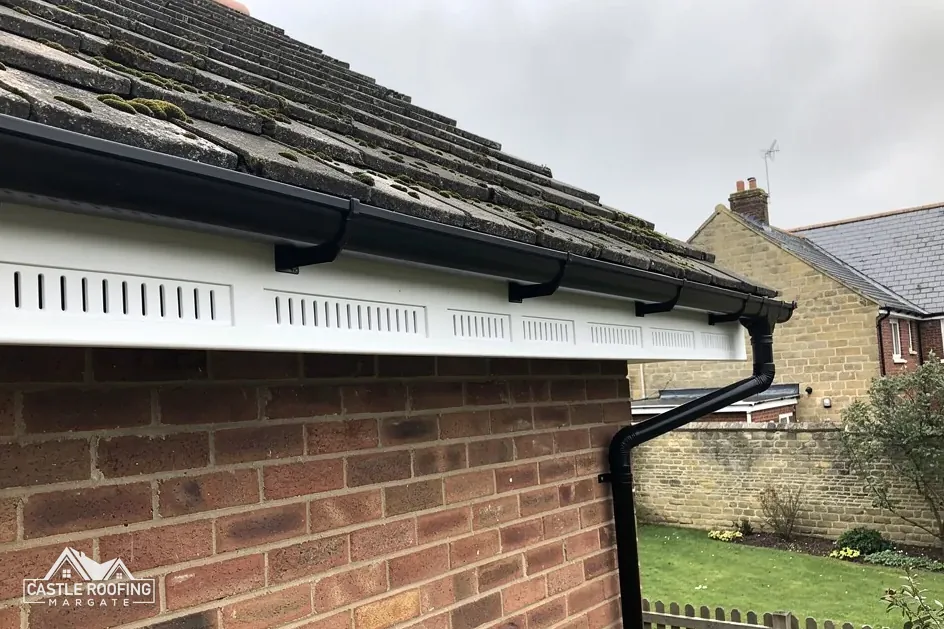
The fascia is the board you see facing out beneath the roof edge, and the gutter is fixed to it. The soffit is the underside panel of the overhang, seen when you look up. Replacing a failed pair with boards of the same size, profile, colour and fixing pattern leaves nothing for a passer-by to notice. In ordinary cases, that is not development, and no application is needed.
The test turns on appearance, not on whether the boards are new. So the question to ask yourself is simple: will the house look different from the road afterwards?
Whether an alteration "materially" affects the look of a building is a matter of judgement, and the council can tell you what it thinks. We cannot decide it for you from a photograph, and nor can any roofer.
When the answer is different
Three situations move you out of the straightforward case, and it is worth knowing which of them is yours:
- A listed building. Section 7 of the Planning (Listed Buildings and Conservation Areas) Act 1990 requires consent before works alter a listed building's character, and Canterbury City Council ties the need for consent to changes affecting the building's character.
- A conservation area or an area covered by an Article 4 direction, which withdraws specified permitted development rights across a defined area and so can turn routine work into something needing an application.
- A flat or maisonette, which is different again because no permitted development rights come with it (Canterbury City Council's own explanation), so changing the exterior means applying for planning permission.
Each one is a reason to check first. Our guide to gutters in a conservation area goes through the conservation-area side, and the council's planning team is the right authority for all three. For the bigger picture, see guttering, soffits and fascias.
If you rent the property or share the building, the freeholder or landlord may also need to agree, whatever the planning position is.
What counts as like for like
Like for like means the new boards do the same job in the same way and look the same. It is worth checking each of these before you order:
- Material. Timber to timber, or uPVC to uPVC, is the simplest case.
- Profile and depth, so the boards present the same face to the street.
- Colour and finish, since a change from white to a dark colour is visible from the road.
- Any detail such as a moulded edge, a bargeboard return or a ventilated soffit.
Where you change the material, add a deeper board or alter the pattern, you have moved away from like for like, and the "materially" test is closer to being met. Capping over old timber with new boards sits in the same area, and the usual test of appearance applies to it just as it does to a full replacement.
When in doubt, send the council a photo of the existing roofline and a description of what will replace it. A short written reply is better than a guess, so ask before the new boards are ordered. Keep the email, as it is useful if the house is sold and a buyer's solicitor asks what was done to the roofline.
Asking the council, and what to have ready
Ask the planning team at your district council. Each of the six districts we cover, from Thanet to Ashford, runs a planning team of its own, and the one that matters is the council for the address, not where the roofer is based.
Have these ready before you contact them:
- The address, and whether the building is listed or flatted.
- Photos of the existing fascias and soffits from the front and any side facing a road.
- A short description of the boards you plan to fit, with material and colour.
- Whether you believe the property is in a conservation area.
The reply can also tell you whether an Article 4 direction applies at your address, and it gives you something in writing to show a roofer or a buyer later.
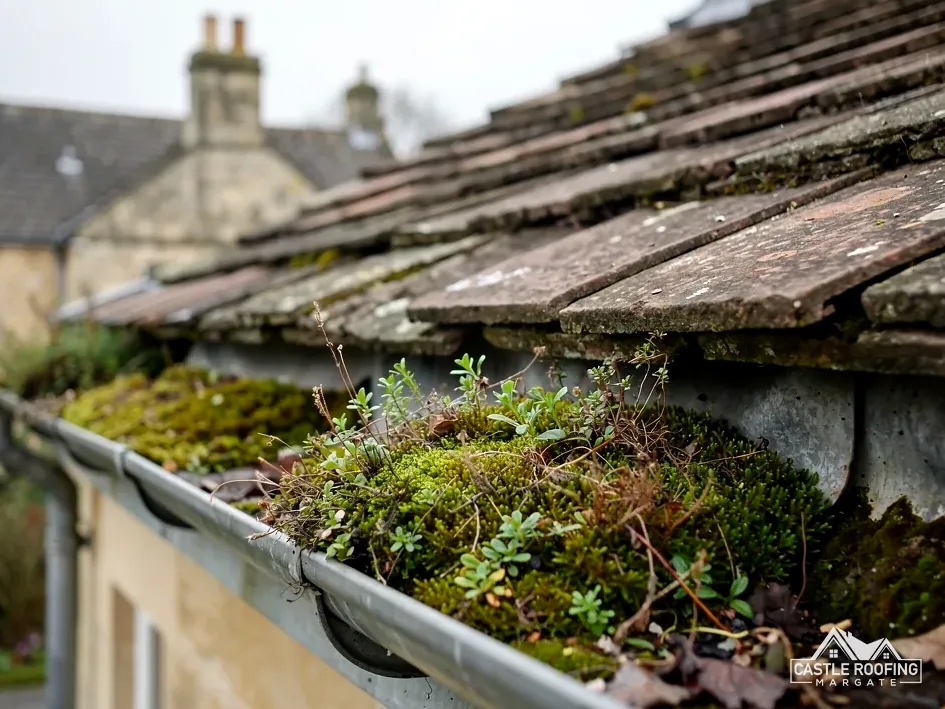
If the boards are rotten, say so, because rot behind a gutter spreads, and our guide to rotten fascia boards shows how to judge it. Once you know where you stand, the fascia and soffit replacement guide covers the job itself, and a single total is given once the survey is done.