Phasing the roof so the building keeps working
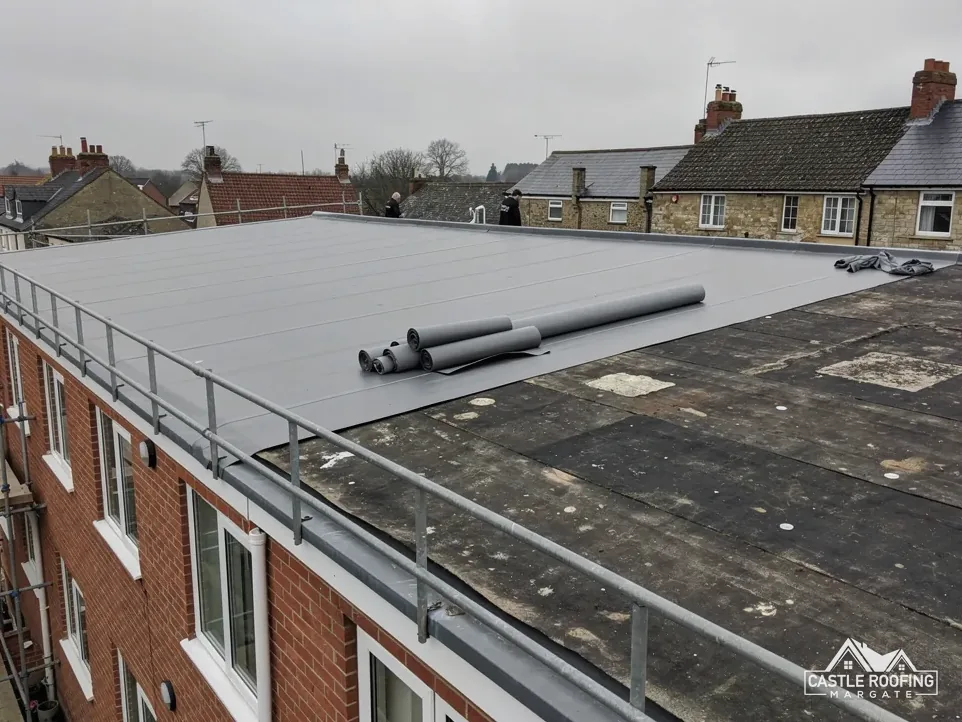
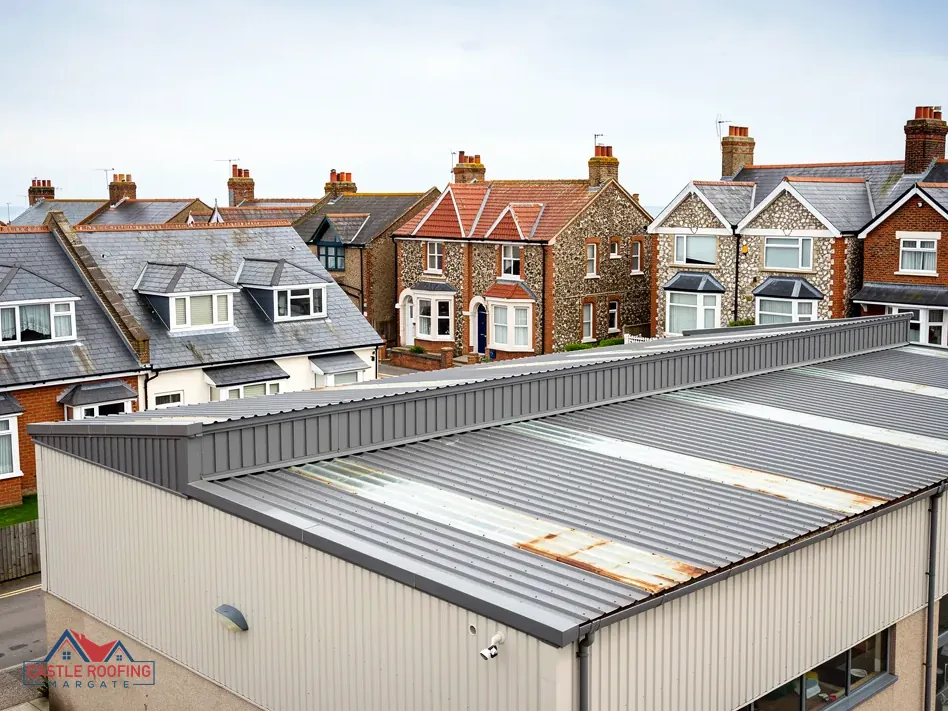
Phasing means doing the roof in sections instead of all at once. A warehouse roof might be done bay by bay, a shop roof one slope at a time, and a block of units one unit after another. The part being worked on is isolated from the rest, and the building carries on beneath the parts that are finished or waiting.
The size of the sections is set by the roof's layout and by what happens below. A bay over a loading door is a different problem from a bay over an empty storage area. The survey walks both the roof and the floor underneath, then proposes an order that keeps the most sensitive areas open for as long as possible.
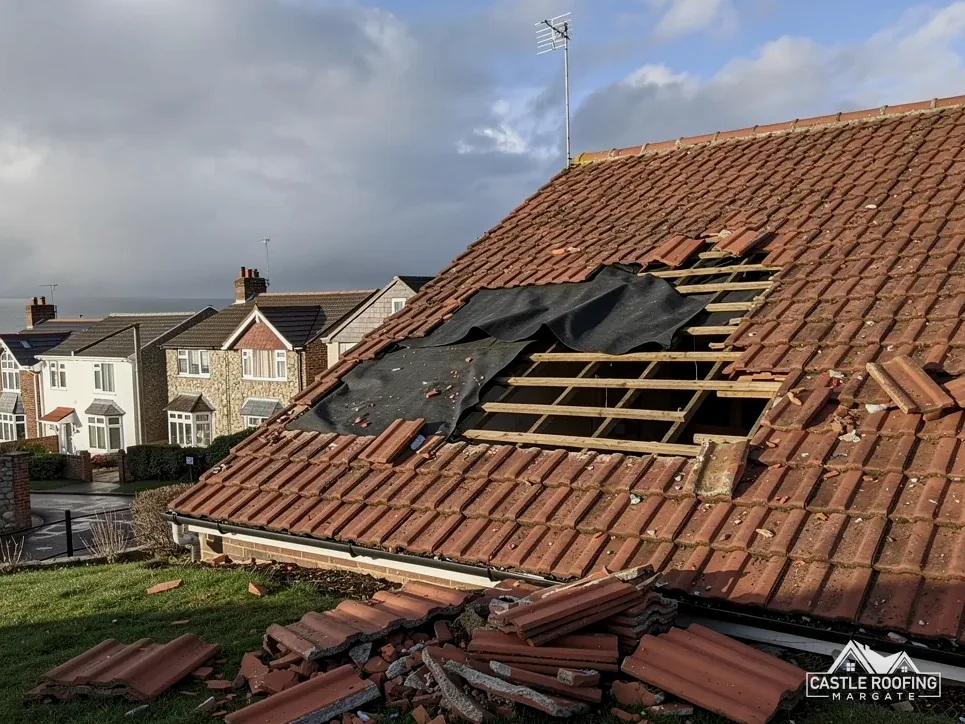
Weather is the other thing that shapes the phases. A roof opened up is only watertight again when the new covering is on, so each phase is sized to be finished and made weathertight within the working window, not left open overnight on a forecast of rain. That discipline protects stock and fittings as much as the programme.
Timings for each phase come out of the survey.
Exclusion zones, access and the people below
An exclusion zone is an area on the ground, fenced or coned, that nobody enters while work goes on above. It sits under the working section, extends beyond the roof edge to allow for anything that might fall and is placed so that doors, fire exits and deliveries can still be used.
The points to settle with the site manager before the job starts:
- Where the exclusion zones go on each phase, and how long each stays in place.
- Which entrances and fire exits must stay clear, and how staff and customers are routed.
- Where deliveries and vehicles can safely stop, and when the loading bay is blocked.
- Where the roofers park, store materials and set up their welfare area.
- Who has the authority to stop the work if something changes.
Agree the answers in writing, so the site team and the roofers are working from the same plan on the first morning.
Edge protection and netting protect the people on the roof; the exclusion zone protects everyone else. Both are covered in roof edge protection.
What CDM 2015 asks of the plan
The Construction (Design and Management) Regulations 2015 apply to construction work, and a commercial roof job is construction work. CDM 2015 saves its special treatment for the domestic client, a private individual with work done on their own house. A business is not that, so the transfer of duties to the contractor that suits a householder does not reach a business client, who keeps them.
Regulation 15(5) matters most here: with a single contractor on the project, the writing of the construction phase plan falls to that contractor. The plan is the written record of how the work will be managed, and for an occupied building it covers exactly the topics above: phasing, exclusion zones, access, traffic and welfare.
Further duties depend on whether the project has several contractors, so tell the roofer if other trades, such as electricians or alarm engineers, will also be on site during the job. A clear CDM plan for roof work avoids two contractors working over one another.
Ask to see the plan before the first day, and ask where it will be kept on site.
Dust, noise, wet weather and what may still stop work
Some parts of a roof job cannot be fully hidden from a trading business, and a straight answer beforehand avoids complaints afterwards. Cutting and fixing steel decks, stripping old sheets and lifting materials by hoist or crane are noisy, and may throw dust. Hot works, if the roof system needs them, have their own fire precautions that can limit when and where work happens.
Water is the other risk. When part of a roof is open, the building below needs protection from rain, so the plan covers temporary sheeting, ground-level protection for stock and a stop rule for wet days.
Where the covering is old, the roofer should also know whether any of it contains asbestos before disturbing it. See the asbestos survey before roof work.
If a phase turns out to be too disruptive for a particular area, the answer is usually to move that section to a quiet period, such as an evening or a weekend, agreed with you in advance. The written price follows the survey. For the bigger picture, go to commercial roofing.