Paperwork and photos to ask for on the day
A finished roof hides its working parts. Underlay, battens, fixings and the lead behind the tiles are covered once the last row goes on, so the record of what went underneath is worth having before the roofer leaves. Ask for:
- dated photos of the roof stripped, the underlay and battens laid, and the finished slopes
- a photo of each lead detail, valley and chimney junction before it was covered
- the invoice, marked paid, with the date of completion
- any building control completion certificate, where the job needed approval
Not every re-roof needs approval. The Planning Portal's test looks at whether under 25 per cent of the building envelope and under 50 per cent of the roof is affected, and a new covering that is 15 per cent or more heavier calls for approval too. Where an application was made, the sign-off letter or certificate should reach you after the final inspection. If you are unsure, ask the roofer plainly whether approval was needed and who dealt with it.
File everything together. A later buyer's survey will ask for it.
What to look at from the ground
You need no ladder for a useful look. Stand back far enough to see each slope in one view, on a dry day, with binoculars if you have them.
Judge the roof as a set of lines and joints rather than as a colour:
- rows of tiles or slates that run straight and level, with no ripples
- a ridge (the top line where slopes meet) that sits straight and tidy, with no gaps
- verges, the edges at the gable, finished neatly and held securely
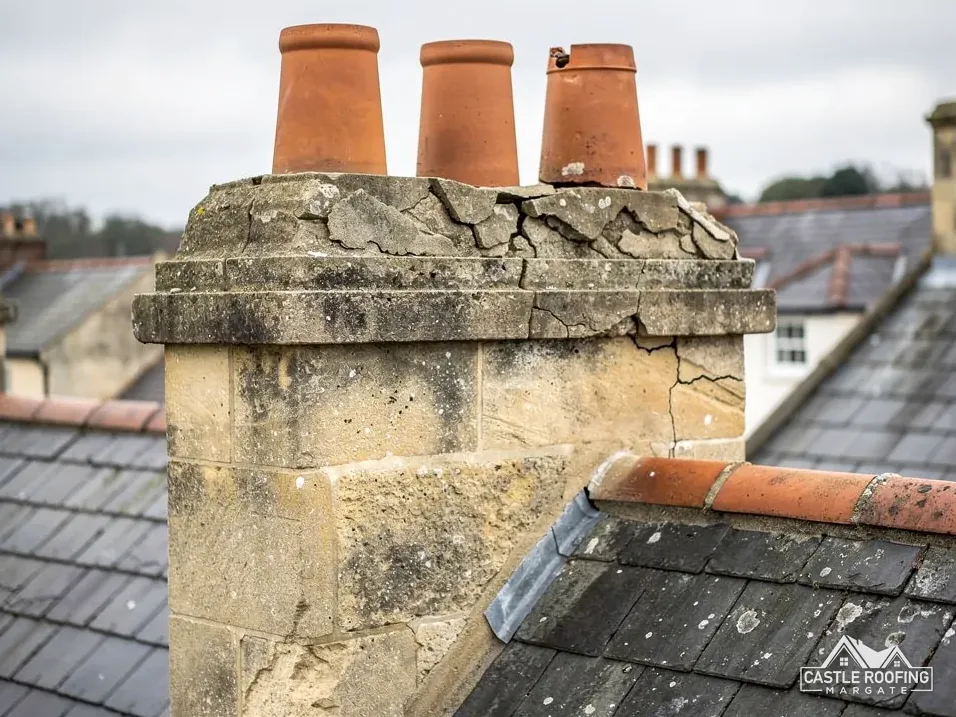
- flashings, the metal strips at chimneys and walls, lying flat against the brickwork
- new gutters that hold a fall towards the downpipe and do not sag between brackets
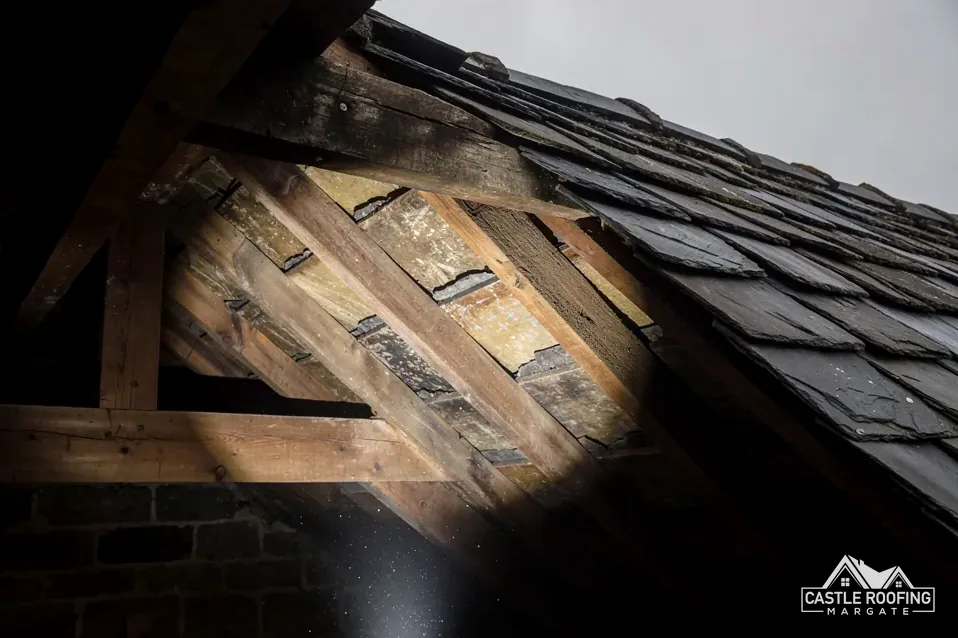
A short dry-weather walk round the garden will show most of this. Look inside the loft as well, with a torch, and check the hatch seals shut afterwards. Daylight at the eaves, wet timber or loose bits of debris are easier to deal with in the first week than in the first winter. Our guide to inspecting a roof from the ground lists what the eye can and cannot judge.
The standard the work should meet
You do not need to know the trade to judge the result against a legal standard. Section 49 of the Consumer Rights Act 2015 sets the bar: reasonable care and skill. A new roof that leaks in its first weeks, slips at the ridge or shows a sloppy flashing is the kind of fault that standard exists to cover.
Other sections of the Act add a reasonable time for the job and set out remedies where the standard is missed, and a trader cannot contract out of them. Putting your concern in writing, with dated photos of the fault, is the sensible way to start, and it leaves a trail if the matter has to go further.
Some contracts are also covered by the 14-day cancellation rules for sales made away from the trader's premises, including one signed at home after a survey. That period is about cancelling the contract and is no substitute for checking the finished work. The Citizens Advice consumer helpline, 0808 223 1133, can explain where you stand if a dispute begins.
Raising a problem without delay
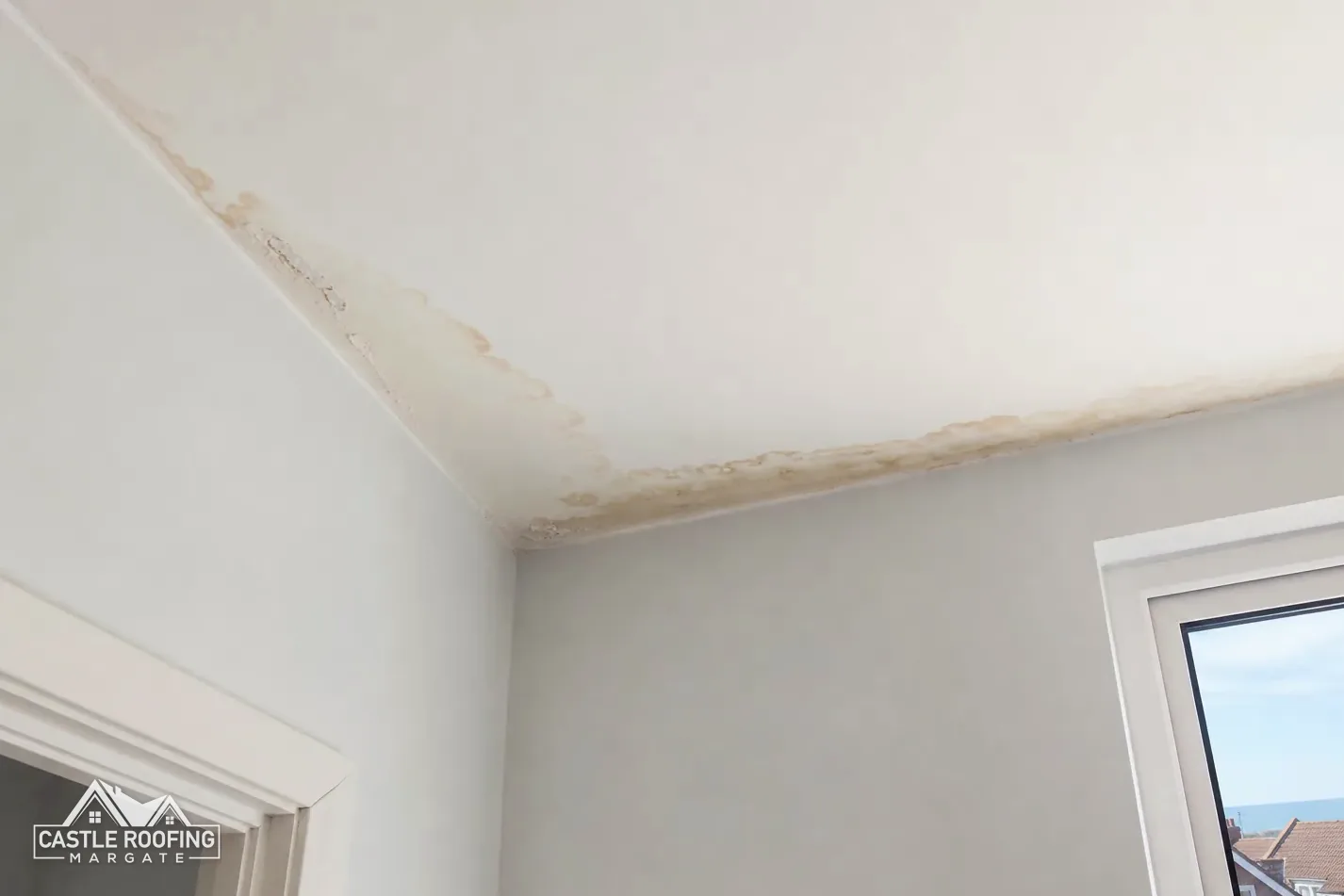
If something looks wrong, say so at once. Delay makes it harder to show whether a fault came from the work, the weather or later damage.
- Photograph the fault from the ground and from the loft, with the date visible.
- Write to the roofer describing what you see, where it is and when you found it.
- Ask for a visit to look at it, and keep a note of what is agreed.
- If the fault lets water in, protect the room and tell your insurer if damage has occurred.
A reputable roofer will want the chance to put a fault right, and a small snag can often be dealt with in one short visit. Keep the final photos safe, since they are the only view of the underlay, battens and fixings you will ever have, and a later buyer's surveyor will want to see them.
A first-winter check by a different pair of eyes is another way to settle doubts, particularly where the fault is small and you are not sure it matters. See the roof survey report for what a written inspection contains, and roof inspections to book one.