Where the light goes
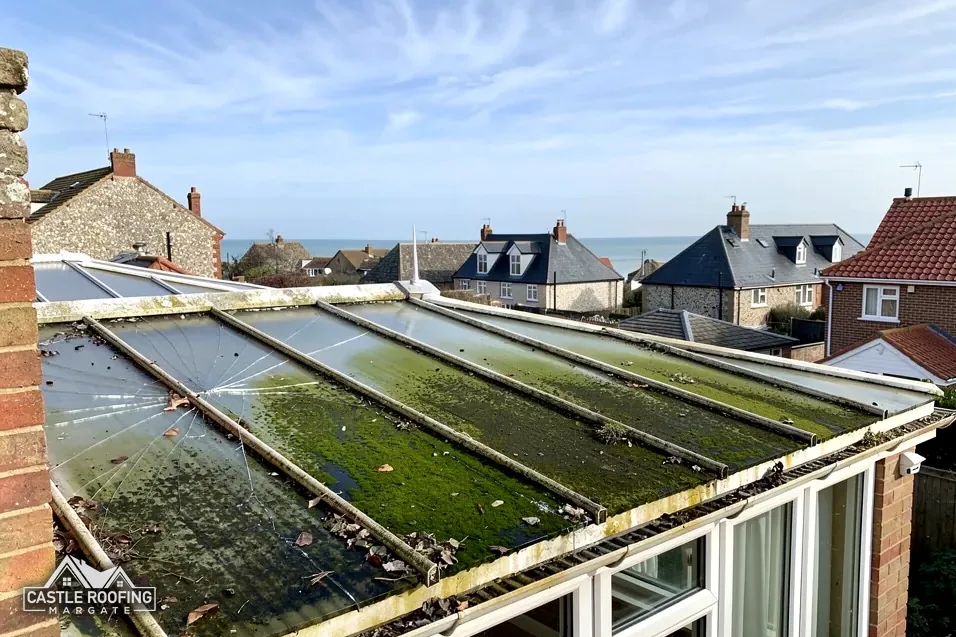
A glazed conservatory roof lights the room from every direction. The sky overhead supplies a large share of the daylight, which is why the room feels open and why it overheats. Replace that with a solid roof and the overhead light is gone, leaving the walls and doors to supply it.
The effect depends on the room. A conservatory with glass on three sides keeps plenty of daylight at the edges and loses it in the middle. A room with one glazed wall and a house wall behind it loses more. Which way the room faces counts too, since a south-facing room has sun to spare and a north-facing one does not.
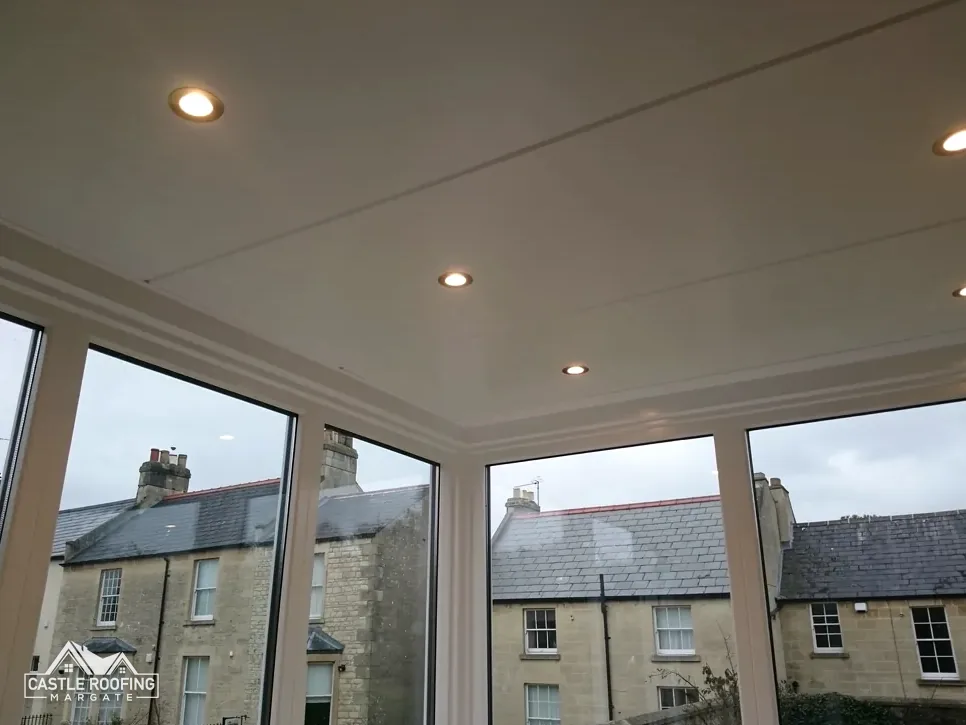
The change has two effects. The room is calmer, with less glare and heat, and it also feels less like a conservatory and more like a room. For some owners that is the whole reason for the change. For others it takes away the point of the space.
Planning the light before the roof is chosen is the sensible order, and a quick test helps: stand in the room on a normal day and imagine the ceiling lowered and solid. Look at where the light would still come from.
Rooflights in a solid roof
The usual answer to a dark room is to cut glazing back into the new roof. Rooflights are glazed units set into the roof surface, and they bring light straight down. How many, how big and where depends on the layout, and the frame and the roof build-up must allow it.
Where Building Regulations energy rules apply, Approved Document L sets the standard. Table 4.2 gives the figure for a rooflight as 2.2 W/(m2.K), while a roof window is held to 1.4 or WER Band B. The two are different units with different figures, so which one a particular product falls under is for building control to confirm.
A few practical points apply:
- Each rooflight is a hole in the insulated roof, so its edges need careful flashing and sealing.
- Rooflights add light but also add heat in summer and loss in winter.
- Position matters: light from the high side of the roof falls deeper into the room.
Remember that a new solid roof needs approval anyway, which the Planning Portal ties to structure, energy use and ventilation. The guide to conservatory roof Building Regulations goes through the process.
Lantern options
A lantern is a raised glass box set into the middle of a solid roof. It does the most to counter the loss of light, because it lets in daylight from several sides at once and gives the room a central bright zone. The lantern is the signature of an orangery-style build, and it can be added to a solid roof on a conservatory base.
Choices on a lantern include:
- the size, which sets how much light comes in and how much weight the roof carries
- the shape: a simple pitched box, a hipped shape or a multi-sided form
- the glass type, which sets heat, glare and noise
- the position, which can follow the seating or the dining table
Every lantern is also a risk point. Where its glass frame meets the solid roof, the flashing and the upstand around the base need proper detail. A lantern on a tired frame is a poor idea, because the added weight lands on the same ridge and rafters.
See the guide to orangery against conservatory roofs for how the lantern fits into the wider design, and the tiled conservatory roof guide for the solid options.
Choosing how much light to keep
Light is a trade-off against heat and cold. More glass brings more daylight, more summer heat and more winter loss. A solid roof reverses all three. The right balance depends on how you plan to use the room.
| Roof | Daylight | Temperature |
|---|---|---|
| Glass | Brightest | Most swing |
| Solid with rooflights | Good, directed | Steadier |
| Solid with lantern | Central, strong | Steadier |
| Solid, no glazing | Side light only | Steadiest |
If you use the room mostly in the evening, as a dining or sitting space, the loss of overhead light matters less than the gain in warmth. If you use it for plants, craft or reading in the day, you will want rooflights or a lantern.
On cost, a replacement conservatory roof is quoted at between £3,200 and £6,000 by MyJobQuote (page dated 20/10/26) and between £2,300 and £6,000 by The Eco Experts (updated 29 April 2024). Rooflights or a lantern change the build, so they belong in the survey, and light levels are easier to judge once the layout is drawn. The conservatory roofs page shows how that starts.