The consent rule in plain terms
Listed building consent is a separate system from planning permission. It comes from section 7 of the Planning (Listed Buildings and Conservation Areas) Act 1990, which requires consent for works that change a listed building's character. Canterbury City Council gives the same message to owners: any change that affects the character of the building needs listed building consent.
A listed house keeps the permitted development rights for roofs that other houses have. Class B and Class C do not exclude listed buildings. But those rights deal with planning only, so a roof alteration that is allowed under planning can still need listed building consent. Keep the two questions apart from the start.
The decision rests with the local planning authority, not the roofer and not building control. A planning officer or a listed building officer weighs what the change does to the building, which is why a roof swap that looks minor on paper needs a conversation first. Our page on conservatory roofs in a conservation area covers the neighbouring rule for houses that are not listed, and the two can overlap.
Is the conservatory part of the listing?
This is the question that decides everything, and it is not one a roofer can answer from the street. A list entry describes the building as it was recorded. Whether a later conservatory is covered depends on how the entry is worded, when the conservatory was built and how it relates to the house. A conservatory attached to a listed house can be treated as part of it for consent purposes.
Do not assume it is exempt because it is a modern addition in glass or polycarbonate. Equally, do not assume it is covered. Ask the council in writing, give the address, and describe the roof you want. The reply tells you whether you need listed building consent, planning permission, both or neither.
Having that answer on paper protects you when you sell. A buyer's solicitor will ask whether alterations to a listed property had the right consent, and a paper trail is much easier to produce at the time than years later. Keep the council's reply, the drawings you sent and the decision notice in one folder.
Matching materials, and what a consent officer weighs
When consent is needed, the application describes what the roof is made of, how it meets the house and how it looks from outside. Officers look at how a change reads against the historic building, so a roof that echoes the house's materials and proportions is easier to support than one that fights them. Photographs of the house from several angles help the officer judge that.
Points we raise on a listed house include:
- The colour and finish of the aluminium, timber or uPVC frame.
- How the roof meets the house wall, since fixings into historic masonry can affect the character of the building.
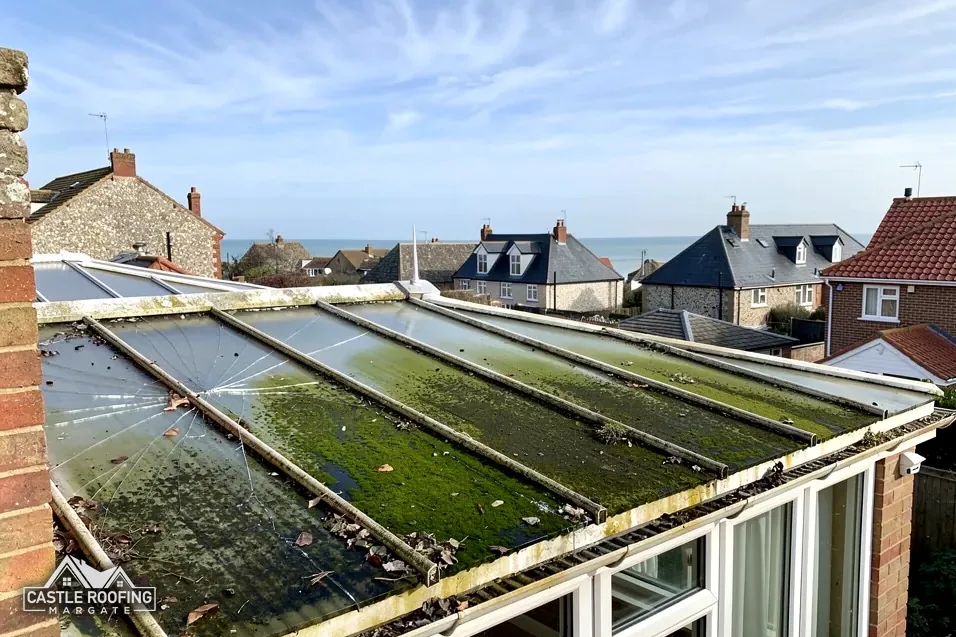
- The covering itself: glass, solid tiles or another material, and whether it suits the house.
- Rainwater goods and the flashing at the junction.
A solid tiled roof is heavy, so the frame is checked. A new conservatory roof also has to meet the Building Regulations, which is a separate approval from the heritage decision and runs alongside it. Our guide to tiled conservatory roofs sets out how one is built, so you can describe it properly in the application and answer the officer's questions about weight, finish and appearance.
A sensible order of work
On a listed house the order matters more than the speed, because starting before consent is granted can mean undoing work. The sequence we follow is:
- The council confirms in writing whether the conservatory is covered and what consent is needed.
- We survey the roof and frame, and you receive one written total price after that survey.
- The application goes in with drawings, materials and photos of the existing roof.
- Work starts only after consent is granted, with Building Regulations approval sought alongside.
That gives you a decision before money is spent. If the council says the roof can be replaced like for like, the application is straightforward. If it prefers a different covering, the choice is made on paper rather than on scaffold.
You can read about the wider service on our conservatory roofs page. For a house that is listed and also lies in a conservation area, both controls can apply at once, and the council can say which. Church, chapel and similar listed buildings follow different routes again, so say at the outset what the building is.