What the protection covers
GOV.UK's guidance on bats is direct. Every bat species is "fully protected by law", and the same protection covers their breeding and resting sites. Among the activities it says can affect bats is "repairing or replacing a roof". The law is not aimed at some rare animal in a remote barn. It reaches every bat, and an ordinary house roof is one of the places the guidance has in mind.
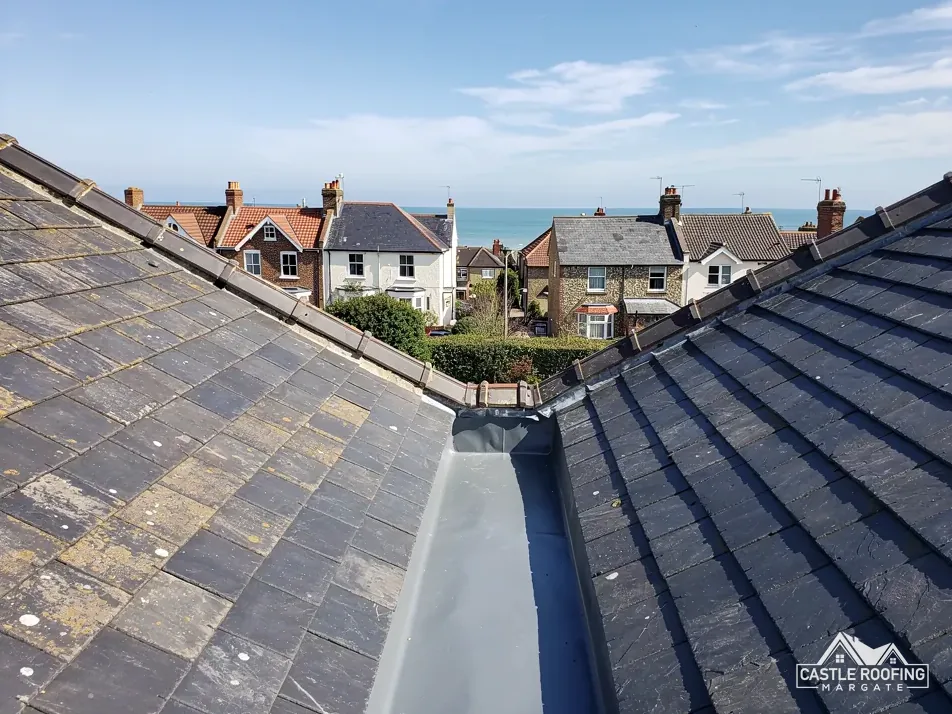
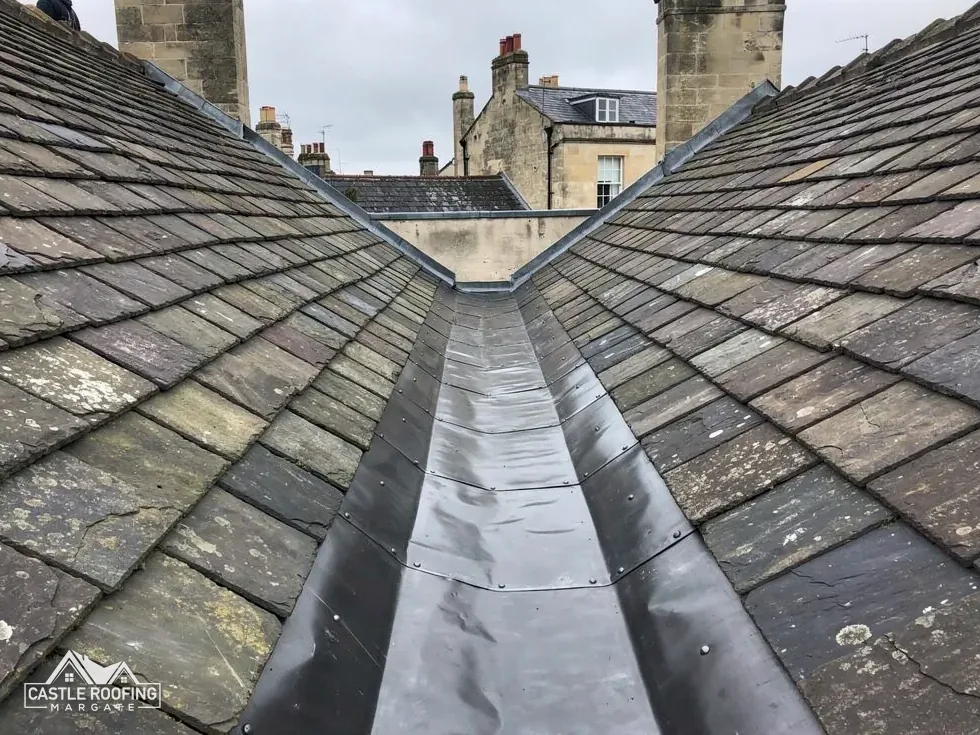
The words that matter are the places where bats breed and rest. A roost is wherever a bat rests or raises young, and on a roof that can be a gap under a ridge tile, a space behind a fascia, a hip end, a flashing or the loft void itself. The protection stays with that place whether or not a bat happens to be inside on the day anyone looks.
That is how a roof can hold a roost without anyone knowing. The roofer sees a normal run of tiles. The first sign is a bat dropping out as a batten is lifted, or small droppings found in the loft when the boards are cleared.
Protection of the place, not only the animal, is the point the rest of this page turns on. The next section separates what the law says from what to do about it.
Two offences, and the one that needs no intent
Two pieces of law apply, and they work in different ways. The table sets out the wording each one uses.
| Law | What it covers |
|---|---|
| Habitats Regulations 2017, reg 43 | Deliberately disturbing the animals; damaging or destroying their roost |
| Wildlife and Countryside Act 1981, s9(4) | Intentionally or recklessly disturbing a bat in its shelter, or blocking access to it |
The first row is the one that is easy to overlook. Under regulation 43(1), damaging or destroying the roost itself is an offence in its own right, and for that part the wording asks for no intent. A roofer who strips a slope in good faith, with no idea a roost was there, has still damaged it.
Section 9(4) of the 1981 Act is narrower. It applies to anyone who, intentionally or recklessly, disturbs a bat while it is in a structure it uses for shelter, or obstructs access to that structure.
That is why a roofer who suspects a roost stops and takes advice before lifting anything else.
If a bat appears mid-job
The steps are short, and they are the same whether it is the roofer, the scaffolder or you who sees the bat:
- Stop work on the affected area, and stop disturbing the roof around it.
- Do not handle the bat or try to move it, and leave any gap you found exactly as it is.
- Photograph where it was seen, from a safe distance, without poking or shining a torch into the gap.
- Tell whoever is running the job, and get advice before the work restarts.
- Write down the date, the time and what you saw.
What happens next depends on the advice you get. GOV.UK has pages on bat surveys and licences, and whether a licence is needed turns on what a survey finds and what the work involves. It would be wrong to say a licence is always needed, and just as wrong to say it never is.
Closing the gap and carrying on elsewhere is not the safe choice either, because blocking access to a roost, if done intentionally or recklessly, is an offence under section 9(4).
Work on other parts of the building may be able to go ahead, but that is for the adviser to say, not the person holding the tile.
Planning a roof job with bats in mind
If you have already seen bats around the house, say so when you first get in touch. What you have noticed shapes where we look first and what we flag in the survey. A pause for advice is also far easier to plan when it is known about before the scaffold goes up than when it arrives halfway through a stripped slope.
Timing matters too. If a pause is needed, the scaffold may stay up while you wait for advice, and any extra cost of that is put to you in writing and accepted before it is incurred, not added at the end.
Birds raise a separate question. The Wildlife and Countryside Act deals with nests that are in use or being built, and our answer on roof work and nesting birds sets out the wording.
For the practical side of getting a house ready, the guide to preparing your home for roof work covers the loft, the drive and the neighbours. The rest of the roofing we do around Margate and Thanet starts the same way: a look at the roof, then a quote that arrives as one written total.