A like-for-like swap is not development
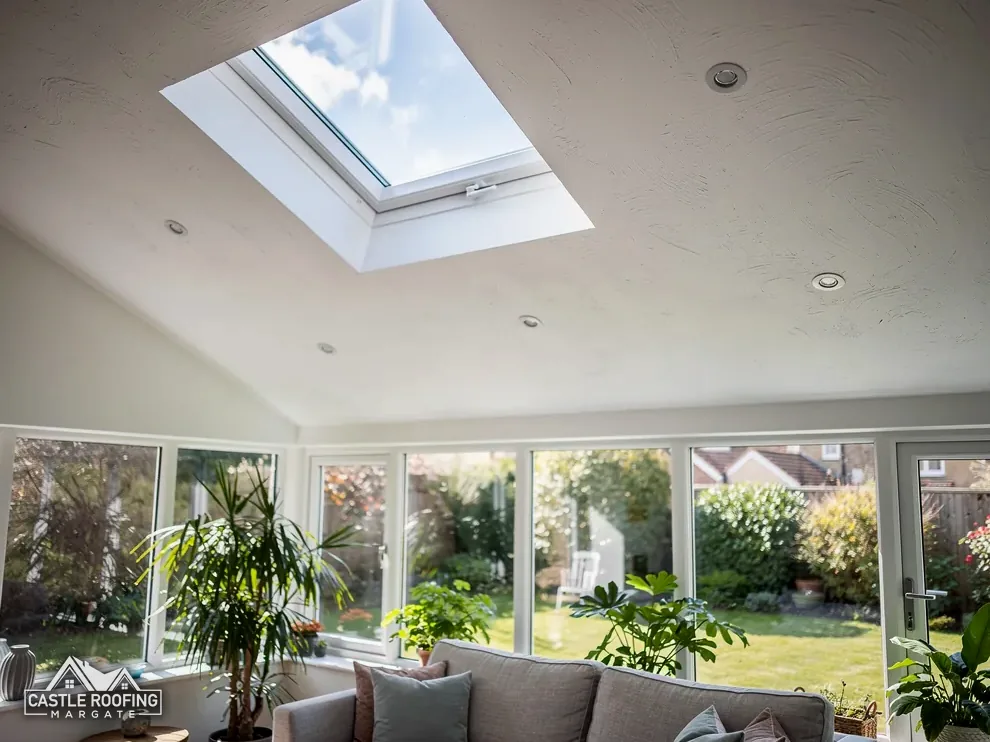
Start by asking whether the work counts as development at all. The Town and Country Planning Act 1990 (section 55(2)(a)) leaves out work that makes no material difference to a building's external appearance. A new roof window of the same size, set in the same opening, with similar glazing and a flashing that follows the old one, changes very little of what anyone sees from the street.
That is a judgement about appearance, and it has limits. A new window that is a different shape, sits in a different place, or has a frame in a different colour on a conspicuous slope can change how the house looks. The word that matters is "materially". If you are unsure, ask the council's planning team before the work, and describe the old window and the new one side by side, with measurements for each.
The same reasoning does not apply to a flat or maisonette. Canterbury City Council says flats have no permitted development rights, so altering the exterior of a flat needs planning permission. Ask the council about a flat's roof before changing anything on it, and ask the freeholder too.
When a bigger window becomes a Class C alteration
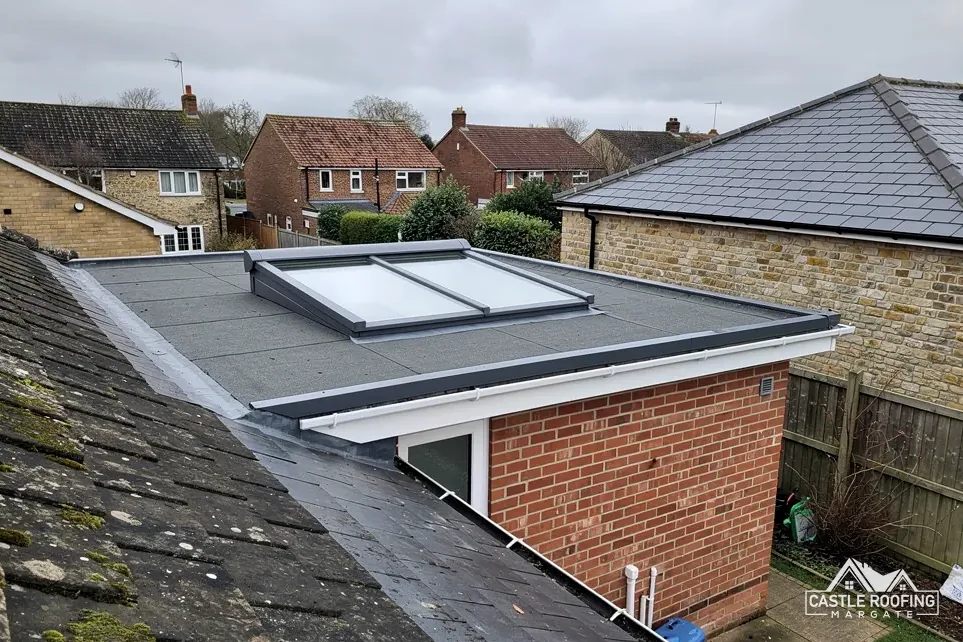
If the new window is larger, or moved, it counts as a change to the roof, and for a house that falls under Class C of the General Permitted Development Order. Class C then sets its own limits. These are the ones to check against the supplier's drawing:
- The window must not stand more than 0.15 metres proud of the original slope.
- It must not raise the highest part of the roof.
- A window in a side-elevation slope must be obscure-glazed whatever its height, and non-opening unless its opening parts sit more than 1.7 metres above the floor.
The obscure glazing requirement has no exceptions on a side slope. The 1.7 metre height relaxes only the non-opening part. Our roof window planning guide lays out the tests in full, and the page on the projection rule covers the 0.15 metre limit.
If a swap would give you a bigger glazed area, a different position on the slope or a higher frame, treat it as a new alteration and measure it against these limits before anything is ordered. A same-size swap needs none of this.
Listed homes and Article 4 areas
Two situations override a straight replacement. A listed house keeps its Class B and Class C rights, but it also needs listed building consent for works that bear on its character, under section 7 of the Planning (Listed Buildings and Conservation Areas) Act 1990. A replacement that changes the frame, the glazing or the flashing may count, so ask the council first.
An Article 4 direction withdraws specified permitted development rights across a defined area. Thanet's published list puts its directions in the Ramsgate, Pegwell and Ramsgate Marina extension conservation areas, and leaves the classes for the council to confirm. Swale's Faversham direction reaches the covering on roofs that face the street on the main elevation. Dover's own page adds that directions there can extend to the roof of a dwelling wherever it fronts roads, waterways or public open space.
In a conservation area without a direction, Class C still applies. Article 2(3) land takes away Class B for dormers, and leaves Class C for roof windows alone. For any other street, one question to your own council settles whether a direction exists.
Building Regulations are a separate question
Planning permission is about how the building looks and where it stands. The Building Regulations are about how the work performs, and they apply even where no planning permission is needed. A new roof window in an existing dwelling has to meet the window row in Approved Document L, which sets a figure of 1.4 or Window Energy Rating Band B, and notes that the row includes roof windows.
Councils differ on how they describe approval for roof work. Dover District Council's building control team counts new roof lights as work needing approval; if your address is in Dover district, confirm the route there before ordering. For other districts, ask the building control team that serves your address.
Ask for the supplier's installation sheet too, because it states the fixings and flashing the model needs. Keep the evidence together: the old window's size, the new window's data sheet and the energy label. A later sale may turn up questions, and a folder with the dates and drawings answers them in minutes. For the product side of the choice, see roof windows and skylights.