Buckets, towels and moving the furniture
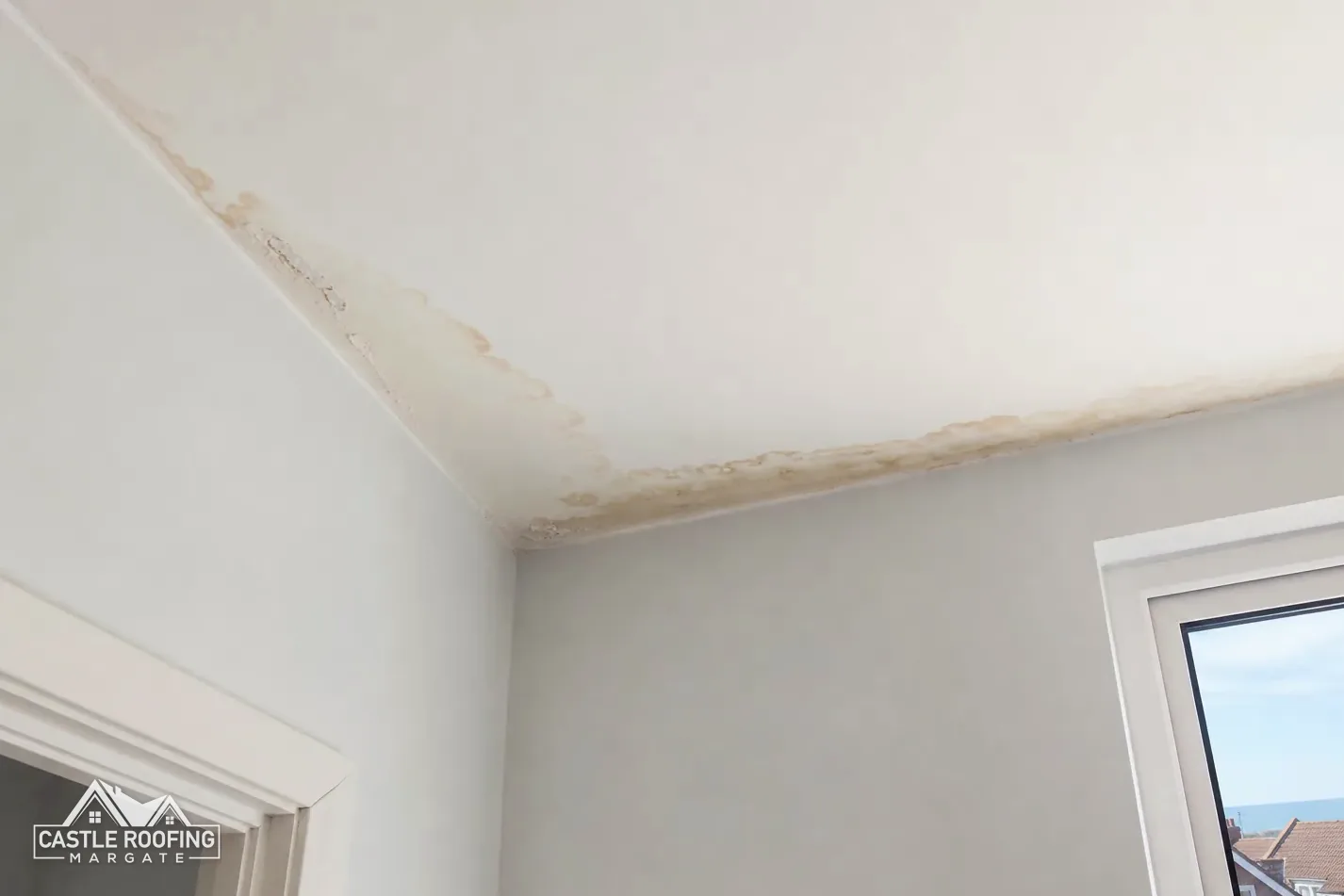
Start with the water that is already coming through, because a ceiling holding a pocket of water can give way without warning. If a stain is bulging or sagging, keep people out from underneath it and put a bucket on the floor below.
Put a bucket or washing-up bowl under each drip, with a folded towel in the bottom so the water does not splash and drum through the house all night. If the drip lands on a bed or a sofa, move the furniture rather than covering it.
- Lift rugs, books, electronics and clothes away from the wall and floor below the leak.
- Lay towels or a dust sheet over anything too heavy to move.
- Empty each bucket well before it is full, because a heavy bucket is the one that gets spilled.
- Shut the door on the wet room so that damp air stays out of the dry ones.
If you can reach the loft hatch safely, a second bucket on the loft floor under the wet patch can catch water before it reaches the ceiling. Look with a torch from the hatch only. Do not step between the joists, because the ceiling below them will not carry your weight.
Wet ceilings, light fittings and live electrics
Water and wiring are the part of a night-time leak that can hurt someone. Ceiling roses, loft cables and sockets on the wall under the leak can all get wet, and a light that still works is not a light that is safe.
- If water is running through or around a light fitting, do not use that switch.
- If you can reach the consumer unit without crossing a wet floor, switch off the circuit for that room. If you are unsure which circuit it is, switch off the whole house.
- Do not touch a wet socket, cable or appliance, and keep children and pets out of the room.
- If you cannot reach the consumer unit safely, leave it alone and stay out of the wet area.
Use a torch or a phone light for the rest of the night instead of the ceiling light. Leave the circuit off until an electrician has looked at it. Fittings that have been wet need checking before they go back into use, even when they look dry by morning. That check is an electrician's job, not a roofer's, so do not expect a roof make-safe to cover it.
Photographs before anything dries
The order of play after storm damage is to ring your insurer first, make the situation safe, and then keep photographs and receipts. That sequence comes from the Institution of Structural Engineers, which calls photographs vital evidence for a claim. Which? adds that most insurers run emergency helplines, so a call in the small hours is worth making.
Photograph the leak before you tidy it away. A wide shot of the room shows where the water landed, and close shots show the drip, the stain, the wet floor and anything spoiled. Add a short video of the water coming through, because a ceiling dries and the evidence goes with it.
Keep every receipt for buckets, towels, drying and emergency work. Whether a claim is paid turns on the wording of your policy and the insurer's decision, and nobody can promise the result in advance. Clear photographs and receipts simply leave less for the insurer to question. Our page on photographing roof storm damage covers which shots matter when you are looking up from the ground.
Why the roof itself waits for daylight
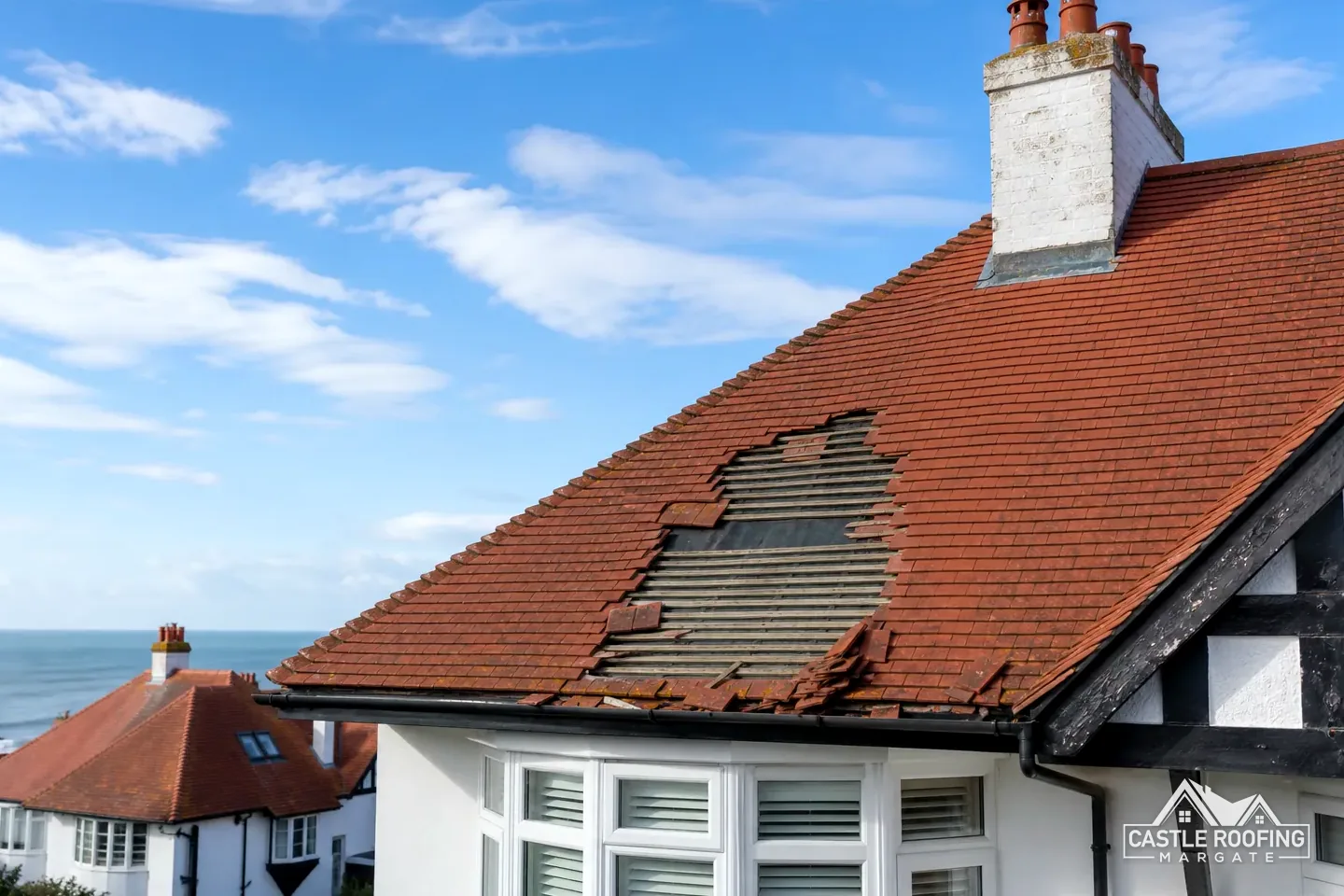
It is tempting to go up and look. Do not. Wet slates and tiles are slippery, a ladder footing is hard to judge by torchlight, and wind makes everything worse. Rain at night also hides the real cause: water often enters a long way from where it drips, so a person who finds one loose tile in the dark may have found the wrong one.
A roofer can make the roof watertight for the time being, usually by fixing a sheet over the affected slope. Fitting one safely is skilled work at height, which is why we explain who should fit a tarpaulin on its own page. Finding the entry point comes after that, once the roof is dry enough to read, and finding the source of a roof leak sets out how.
Until then your jobs are small and indoors. Check the buckets, keep the electrics off, stay out from under any bulge in the ceiling, and write down the time the leak began and what the weather was doing. Those notes help a roofer decide where to look first when daylight comes.
For everything from emergency make-safes to permanent repairs, see roof repairs and emergency work.