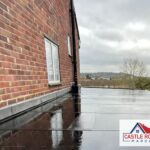
Are fed up of worrying about your roof? Wish there was a way to extend its lifespan? Look no further! Here are top tips for extending the life of your roof in the UK that are sure to revolutionise roof maintenance. From regular inspections to cleaning and proper ventilation, these techniques will protect and enhance your roof's longevity. Imagine a roof that withstands harsh weather, remains leak-free and looks as good as new for years to come. With our tips, you can make this dream a reality. So, discover the secrets to a longer-lasting roof and bid farewell to costly repairs and worries. Take control and give your roof the care it deserves!

Schedule Regular Roof Inspections

[embed]https://www.youtube.com/watch?v=fR1Ne_2K1Lg[/embed]
To prolong the life of your roof, you should schedule regular inspections to catch any potential issues before they become major problems. Roof maintenance is essential in avoiding costly repairs and ensuring the longevity of your roof. By employing roofing professionals to carry out thorough inspections, you can identify any signs of damage, such as leaks, cracks, or loose tiles. These experts have the knowledge and expertise to spot even the smallest issues that may go unnoticed by an untrained eye. Regular inspections also allow for timely repairs, preventing further damage and prolonging the lifespan of your roof. After scheduling these inspections, it's important to move onto the next section about cleaning your roof regularly, as proper maintenance goes beyond inspections.

Clean Your Roof Regularly

Regularly cleaning your roof can help maintain its longevity and condition. By keeping it clean, you can prevent the buildup of debris, moss, and algae, which can cause damage and deterioration over time. Here are some roof cleaning techniques to consider: Maintaining a clean roof is essential for its longevity. As well as regular cleaning, it's important to book professional roof inspections to identify any potential issues. The next section looks at the importance of proper ventilation and insulation for roof maintenance.

Maintain Proper Ventilation and Insulation

[embed]https://www.youtube.com/watch?v=PfI7POlGM4M[/embed]
Ensure you maintain adequate ventilation and insulation to keep your roof in good condition and prolong its lifespan. Ventilation is essential in avoiding an accumulation of heat and moisture in your attic, which can cause damage to the roof materials. Adequate airflow regulates temperature and humidity, reducing the risk of mould and rot. Insulating your home is also important as it prevents heat from escaping, keeping your roof at a stable temperature and lessening the strain on your HVAC system. By ensuring proper ventilation and insulation, you can protect your roof from unnecessary wear and tear, ultimately prolonging its lifespan. Additionally, regularly trimming any overhanging branches can help to maintain your roof's integrity.

Trim Overhanging Branches

Trimming overhanging branches is vital for preserving the health and longevity of your roof. Inspecting and pruning branches that extend over the roof regularly can avoid potential damage from falling branches or rubbing against the roof surface. Overhanging branches can scratch shingles, dislodge tiles, or block gutters, causing water damage and reducing the lifespan of your roof. Moreover, branches near the roof can provide easy access for animals like squirrels or raccoons, which can further damage the roof. To stop these problems, it is important to examine and trim any branches that could harm your roof regularly. Taking this action, you can guarantee the longevity of your roof and minimize the need for roof repairs. Dealing with roof leaks quickly is also an essential step in keeping a healthy roof.

Address Roof Leaks Promptly

[embed]https://www.youtube.com/watch?v=XXYtjVpESZ4[/embed]
If you spot a leak in your roof, it's essential to deal with it quickly to stop further damage. Find the source of the leak, which may mean inspecting the attic or getting on the roof. Once you've located the issue, repair or replace any damaged roofing materials to guarantee a correct fix. Taking these steps will stop water damage to the inside of your home and prolong the life of your roof.

Identify the Source of the Leak

Once you've played detective and found the culprit behind the leak in your roof, like a skilled investigator cracking a case, you can take the necessary steps to fix it and extend the lifespan of your roof. Here are some tips to help you identify the source of the leak: By identifying the source of the leak, you can now move on to repairing or replacing damaged roofing materials, making sure your roof lasts.

Repair or Replace Damaged Roofing Materials

To ensure the longevity of your roof, it's important to promptly repair or replace any damaged roofing materials. You have two options: repair or replacement. Repair may seem cost-effective, but it's vital to consider the age and condition of your roof. If your roof is old or has multiple areas of damage, replacement may be a better choice. Investing in a new roof can prevent the recurring costs of repairs, plus offer improved energy efficiency and durability. Modern roofing materials also provide innovative solutions to enhance the aesthetics and functionality of your home. Another essential aspect of roof maintenance is preventing water damage to the interior of your home.

Prevent Water Damage to the Interior of Your Home

Protect your home's interior from water damage by ensuring your roof acts as a strong umbrella, shielding it from the downpour. An effective way to stop moisture building up is to use waterproof materials for your roof. These materials form a barrier that stops water from entering your home, keeping your interior dry. Additionally, regular checks and maintenance can help spot any weak points or potential leaks in your roof, enabling you to fix them before they cause water damage. By taking these steps proactively, you can lengthen the life of your roof and avoid expensive repairs in the future. Now, let's look at roof coatings or treatments that can offer an extra layer of protection for your roof.

Consider Roof Coatings or Treatments

If you want to prolong the life of your roof and increase protection against the elements, you should think about roof coatings or treatments. Applied to the roof, they create an extra layer of protection against weather damage and leaks. These coatings can stop water from entering and causing further damage by sealing any cracks or gaps in the roof's surface. Moreover, roof treatments can also help to reflect sunlight and reduce heat absorption, leading to heightened energy efficiency for your home.

Extend the Lifespan of Your Roof

Maximize the lifespan of your roof with these simple yet effective tips. Regular roof maintenance and care are essential for ensuring its longevity. One way to extend the lifespan of your roof is by considering roof coatings or treatments. These protective layers offer an extra barrier against the weather elements, preventing damage and deterioration. Roof coatings can reduce the effects of UV rays, stop cracks and leaks, and increase the overall durability of your roof. Investing in roof coatings can add years to the lifespan of your roof and save on costly repairs in the long run. However, roof coatings are just one part of the equation. In the next section, we'll explore how to further protect against the elements.

Enhance Protection Against the Elements

Boost the durability of your roof with weather-resistant materials and strategic landscaping. Weatherproofing is a key factor in enhancing protection against the elements. By using top-quality roofing materials designed to cope with tough weather, such as heavy rain and strong winds, you can extend the lifespan of your roof. Good gutter maintenance is vital to preventing water damage and ensuring effective drainage. Clean and inspect your gutters regularly to remove debris and stop clogs that can lead to leaks and water infiltration. Consider fitting gutter guards to extra protect against blockages. By using these weatherproofing techniques and looking after your gutters, you can bolster your roof against the elements and increase its longevity. Moving on, let's explore how you can improve energy efficiency for your roof.

Improve Energy Efficiency

To save money on your energy bills and make your roof more energy efficient, you can make it as efficient as a well-insulated thermos. Here are some tips to improve energy efficiency and reduce heat loss: By doing these energy-saving measures, you can reduce energy bills while contributing to a greener environment.

Frequently Asked Questions

How often should I schedule roof inspections?

To ensure the longevity of your roof, it's important to schedule regular roof inspections. The frequency of these inspections depends on various factors such as the age and condition of your roof, as well as the weather conditions in your area. Generally, it's recommended to have a professional inspect your roof at least once a year. During these inspections, look out for signs of roof damage such as loose or missing shingles, leaks, or sagging areas. Identifying and addressing these issues early on can prevent further damage and extend the lifespan of your roof. In the UK, it's recommended to have a professional inspect your roof at least annually. Look out for any signs of damage, such as loose or missing tiles, leaks, or sagging areas, and address these issues quickly to prevent further damage and extend the life of your roof.

What are the benefits of cleaning my roof regularly?

Cleaning your roof regularly is like giving it a spa treatment. Not only does it look better, it also offers plenty of benefits. Keeping your roof clean stops debris, moss, and algae building up, which can damage it in the long term. Regular maintenance helps keep your roof healthy and helps prevent leaks and expensive repairs. So, don't ignore regular roof maintenance - it's essential for a longer-lasting roof.

How can I ensure proper ventilation and insulation for my roof?

To ensure good ventilation for your roof, it's vital for the longevity of your home. Without adequate ventilation, moisture build-up can lead to mould and decay. Tips for good ventilation include installing ridge vents, soffit vents, and gable vents. For insulation, spray foam, fibreglass, and cellulose are all options. Insulation helps regulate temperature, reduce energy bills, and avoid heat loss. Select the insulation method that best suits your needs and enjoy the benefits it brings to your roof and home.

Why is it important to trim overhanging branches near my roof?

Regular upkeep of your roof is essential for its long life. It's crucial to trim overhanging branches close to your roof because failing to do this can result in serious issues. Overhanging branches can scrape against your roofing, potentially leading to leaks and damaging the tiles. Plus, during storms, these branches can break off and fall onto your roof, causing serious structural harm. Therefore, it's vital to regularly trim any branches near your roof to protect it and avoid costly repairs.

What should I do if I notice a roof leak?

If you spot a roof leak, it's essential to act quickly to avoid further harm. Don't let this problem spoil your plans! Take immediate action to mend the leak and safeguard your roof. Addressing the issue straight away will not only save you from expensive repairs later on but also prolong the lifetime of your roof. Believe me, a stitch in time saves nine when it comes to preventing roof damage.Roof repair costs can be a significant expense for homeowners, especially if the damage is extensive. The cost of repairing or replacing a roof can vary greatly depending on a number of factors, including the type of roofing material used, the extent of the damage, and the labour costs involved. In this comprehensive guide, we will provide an in-depth analysis of the various factors that can impact the overall cost of roof repair and replacement. The first section of this guide will focus on labour and material costs. We will examine the various factors that can affect the cost of labour, including the complexity of the repair, the experience and expertise of the roofing contractor, and the location of the property. We will also discuss the different types of roofing materials available and their relative costs, as well as the pros and cons of each material. The second section of the guide will focus on the types of roofing materials available, including asphalt shingles, metal, tile, and slate. We will discuss the advantages and disadvantages of each type of material, as well as their relative costs and durability. Finally, we will provide some guidelines for maintenance and replacement, including when it is time to replace your roof and how to properly maintain it to ensure its longevity.

Labour and Material Costs

Labour and material costs are significant factors to consider when repairing or replacing a roof. For instance, the cost of labour ranges from £150-£250 per day per worker. The type of roofing material used also impacts the overall cost. For example, flat roofs cost £50 per square metre, while high-end materials can cost up to £90 per square metre. The cost of tile replacement is around £200 and can be done quickly. Sagging roof repair can cost between £1,000 and £2,000, depending on how many joists or rafters are required. The cost of an entire roof replacement can range from £5,000 to £12,000. Flashing repair costs between £100 and £250 for a metre or so of flashing. The supply cost can also be expensive, with materials for cleaning and coating a roof costing around £200. Finding affordable roofing contractors is essential to keep the labour cost within budget. In addition, the cost of roofing materials varies depending on the type of material used. Clay costs between £35 and £40, whereas EPDM rubber can cost between £15 and £25. Similarly, metal roofing can range in price from £25 to £30, while slate costs between £28 and £30, and concrete costs between £13 and £15. The total cost of guttering depends on the material and size of the area to be covered, and labour costs for installing guttering on the house range between £200 and £300. Fascia and soffit replacement varies based on the size of the home, but the average cost is between £1,000 and £4,600. The cost of labour for replacing fascias and soffits on a terraced house is likely to cost around £230 to £300. A roof repair cost breakdown is essential to manage the overall cost of the project.

Types of Roofing Materials

Different roofing materials come with their own advantages and disadvantages. Among the most durable options are slate, copper, and tile. Slate roofing is extremely durable and can last up to 50 years, making it a great option for those looking for long-lasting roofing solutions. Copper roofing is another material that is known for its longevity, with a lifespan of up to 100 years. Copper is also resistant to corrosion and is aesthetically pleasing, as it develops a unique patina over time. Tile roofing is another durable option, with a lifespan of up to 50 years. Tile is resistant to fire and rot, making it a great option for those living in areas prone to wildfires. Compared to other roofing materials, slate, copper, and tile can be more expensive. However, their durability and long lifespan make them a cost-effective option in the long run. On the other hand, materials such as asphalt shingles and metal can be more affordable but may require more frequent repairs and replacements. Additionally, flat roofs require different materials such as EPDM rubber or modified bitumen, which have their own advantages and disadvantages. Ultimately, the choice of roofing material will depend on various factors such as budget, climate, and personal preference.

Maintenance and Replacement Guidelines

Maintenance and replacement guidelines for roofing materials are crucial in ensuring their longevity and cost-effectiveness. Regular roof inspection is necessary to identify potential issues before they escalate into major problems. Preventive measures can also be taken to extend the lifespan of the roof, such as cleaning gutters regularly, trimming overhanging branches, and ensuring proper ventilation to prevent moisture buildup. In addition to preventive measures, roofing materials should also be replaced or repaired as needed. The frequency of replacement or repair depends on the type of roofing material used. For example, slate, copper, or tile roofs can last up to 50 years, while flat roofs should be repaired or replaced every 15 years. It is recommended to replace the roof during autumn, when the weather is mild and before the harsh winter months. Proper maintenance and replacement of roofing materials not only extends their lifespan but also saves money in the long run by avoiding costly repairs.

Frequently Asked Questions

How can I tell if my roof needs repair or replacement?

A roof inspection can identify signs of damage such as leaks, cracked or missing shingles, sagging or bowing, and excessive wear and tear. These issues may require repair or replacement, depending on the severity.

Are there any DIY roof repair options, or should I always hire a professional?

While DIY options for roof repair exist, it's recommended to hire a professional for safety reasons. However, cost savings can be achieved by doing small repairs yourself, such as replacing broken tiles or cleaning gutters.

What are some common causes of roof damage, and how can I prevent them?

Proper roof maintenance is crucial to prevent damage. Common causes of roof damage include weather-related issues, poor installation, and lack of maintenance. Regular inspection for signs of water damage and addressing issues promptly can prevent costly repairs.

Can I get financial assistance for roof repair or replacement?

Financial assistance options for roof repair or replacement may be available for low-income households, veterans, and senior citizens through government programs or non-profit organizations. Eligibility criteria vary and may include income limits and property ownership requirements.

How do I choose the right roofing contractor for my needs?

When choosing a roofing contractor, consider their qualifications and reputation management. Look for experience, licenses, certifications, and insurance. Check online reviews and ask for references. Choose a contractor who prioritizes safety and quality workmanship.

Conclusion

In conclusion, roof repair costs can vary greatly depending on a range of factors, including the type of repair needed, the materials used, and the labour costs involved. Homeowners should be aware of the different types of roofing materials available and their respective advantages and disadvantages, as well as the maintenance and replacement guidelines for their particular type of roof. It is important to ensure that any repairs are carried out by a qualified and experienced professional in order to ensure the safety and integrity of the roof. When considering roof repair costs, it is also important to take into account the long-term benefits of investing in high-quality materials and professional labour. While it may be tempting to opt for the cheapest option available, this can often end up costing more in the long run due to the need for frequent repairs or premature replacement. By taking the time to research and carefully consider the options available, homeowners can make an informed decision that will ultimately save them time, money, and hassle in the future.
01843 305243