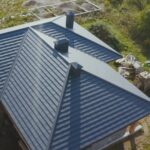
Steel Roofing
[embed]https://www.youtube.com/watch?v=bb4H5msPZ-s[/embed]
Aluminum Roofing
You'll be amazed at how aluminium roofing shines like a silver beacon, adding a touch of modern elegance to your home. Aluminium roofing offers numerous advantages that make it a popular choice for homeowners seeking innovation. It is lightweight and cost-effective to transport and install, with a high strength-to-weight ratio for durability and resistance to wind and hail. It is highly corrosion-resistant, so it won't rust or deteriorate over time and requires low maintenance. Interlocking panels create a seamless and watertight barrier for maximum protection against leaks and water damage. Transition to copper roofing to find another metal roofing material with its own set of benefits.Copper Roofing
[embed]https://www.youtube.com/watch?v=mVWuur6uXjI[/embed]
Zinc Roofing
Immerse yourself in the world of zinc roofing, a durable and distinctive choice for your home that will impress with its durability and design possibilities. Zinc roofing offers a multitude of benefits that make it a popular choice amongst homeowners. Firstly, zinc is highly resistant to corrosion, guaranteeing that your roof will keep its attractive appearance for many years. Additionally, zinc roofs are renowned for their durability, having a life expectancy of up to 100 years. This longevity is further enhanced by the fact that zinc roofs require minimal maintenance - just a wash with clean water once or twice a year is all that's needed to keep it looking flawless. Furthermore, zinc roofing is an environmentally friendly option, as it's 100% recyclable. Moving on to tin roofing, let's explore another captivating metal roofing material.Tin Roofing
Next, let's explore tin roofing, an alluring selection that adds character to any home. Tin roofing has several key benefits to consider. To start, tin is very durable, with great resistance to adverse weather conditions, including downpours, wind, and even hail. Additionally, tin roofs need little maintenance, saving you time and money over the long run. Now, let's look at the installation process. Installing a tin roof entails several steps: measuring and preparing the roof, laying an underlayment, securing the tin sheets with nails or screws, and finally, sealing the seams to guarantee a watertight finish. With its high durability and simple installation, tin roofing is an excellent choice for homeowners looking for lasting protection. Moving on, the next section will discuss the exciting world of composite metal roofing.Composite Metal Roofing
Composite metal roofing is a great option for homeowners who want a contemporary and stylish look for their homes. This advanced roofing material has many advantages that make it a great choice. Firstly, composite metal roofing is extremely durable and long-lasting. It can withstand tough weather conditions, including heavy rain, strong winds, and even hail. Additionally, composite metal roofing is fire-resistant, providing extra protection for your home. The installation of composite metal roofing is relatively straightforward. The panels are light and easy to handle, making them simple to fit. They can be cut to size to fit any roof shape or size, providing a seamless and precise fit. The panels come in a selection of colors and finishes, allowing you to customize the look of your home. All in all, composite metal roofing provides a modern and stylish solution with many benefits for homeowners looking for innovation.Frequently Asked Questions
Are metal roofs more expensive than traditional asphalt shingle roofs?
Metal roofs can be more expensive than traditional asphalt shingle roofs, but they come with numerous advantages. Professional roofers will ensure precise measurements and secure fastening. These roofs offer superior durability, weather resistance, and energy efficiency. They also require less maintenance and have a longer lifespan compared to asphalt shingles. Although metal roofs may have a higher upfront cost, their long-term benefits make them an innovative and worthwhile investment.How long can a metal roof be expected to last?
A metal roof is a fortress that stands the test of time. It outlasts traditional asphalt shingle roofs by decades, with a lifespan of 40-70 years. This is due to the superior durability and resistance of metal roofing materials. Not only does it protect your home from harsh weather conditions, but it requires little maintenance. Investing in a metal roof ensures long-lasting protection and peace of mind for many years.Are metal roofs noisy during rain or hailstorms?
To reduce noise from rain or hailstorms on a metal roof, there are a few innovative options available. One effective method is to install an underlayment, such as a foam or rubber material, between the roof and the metal panels. This helps absorb and dampen the sound. Additionally, ensuring proper insulation in the home can further minimize noise. Metal roofs, despite their reputation, can actually provide excellent insulation when installed correctly. So, not only can they reduce noise, but they can also improve energy efficiency.Can a metal roof be installed over an existing roof?
Yes, a metal roof can be installed over an existing roof, providing a cost-effective solution for homeowners. This eliminates the need for expensive roof removal and disposal. Metal roofing offers many advantages, such as strength, energy efficiency, and low maintenance. It can also enhance the look of your home with a range of roofing options available, including standing seam, corrugated panels, and metal tiles. Choose metal roofing for a reliable and innovative solution.What is the maintenance required for metal roofs?
Maintaining metal roofs is a breeze. Enjoy the benefits of durability, energy efficiency, and fire resistance by inspecting and cleaning them regularly. A simple hose-off of dirt and debris is all it takes, with an occasional protective coating to prevent corrosion. So sit back and enjoy the revolutionary experience of metal roof maintenance!Thinking of getting a new roof fitted in the UK? You're in luck! Careful planning and consideration is vital to successful roof installation - as they say, 'measure twice, cut once'. In this article, we'll guide you through the essential factors you need to consider for a smooth and efficient process. Firstly, assess your roofing needs and goals. Do you want to enhance the energy efficiency of your home or give it a modern look? Research and choose the right roofing materials that align with your objectives, keeping in mind that innovation is key. Next, find a reliable and experienced roofing contractor. Look for professionals with a good track record and positive customer reviews. Obtain necessary permits and insurance coverage to protect yourself and your investment. Thirdly, plan and budget for the project. Factor in the cost of materials, labour, and any possible additional expenses. Once your new roof is fitted, schedule regular maintenance and inspections to ensure its longevity. By keeping these key considerations in mind, you're on your way to a successful roof installation that adds value and innovation to your UK home.Assess Your Roofing Needs and Goals
[embed]https://www.youtube.com/watch?v=nXx41J2FQ1U[/embed]
Research and Choose the Right Roofing Materials
To ensure a successful roof installation in the UK, you should research and choose the right roofing materials. Opt for durable slate tiles, like the ones used on the historic buildings in Bath, for proven longevity and resilience. Consider the following cost-effective options when selecting your materials:- Metal Roofing: Lightweight, durable, and energy-efficient, this is a popular choice for modern homes.
- Clay Tiles: Classic and timeless appeal, with excellent insulation and extreme weather resistance.
- Asphalt Shingles: Affordable and versatile, these are a common choice due to their durability and range of colors and styles.
- Green Roofing: Embrace innovation with eco-friendly materials like green roofing, which uses living vegetation to improve insulation and reduce stormwater runoff.
- Synthetic Roofing: For a more budget-friendly option, rubber or plastic can mimic the appearance of more expensive materials without compromising on durability.
Find a Reliable and Experienced Roofing Contractor
[embed]https://www.youtube.com/watch?v=WUPFvHv2KBg[/embed]
Obtain Necessary Permits and Insurance Coverage
Once you've chosen a reliable and experienced roofing contractor, it's time to get the necessary permits and insurance coverage to safeguard your investment. For instance, let's say you opt to hire a reputable contractor to fit a new roof on your home. Before any work can start, it's essential to confirm the contractor holds the required permits from the local authorities. These permits provide proof that the installation will adhere to all safety and building code regulations. Furthermore, it's imperative to check that the contractor has adequate insurance cover. This will protect you from any liability in the event of accidents or property damage during the installation process. By obtaining the necessary permits and insurance coverage, you can proceed with the project confidently, knowing that all safety measures are in place. Now, let's move on to planning and budgeting for the project.Plan and Budget for the Project
[embed]https://www.youtube.com/watch?v=WHkNISyX2ok[/embed]
- Cost Estimation: Carry out a thorough analysis of materials, labour, and any additional costs to determine an accurate cost estimate. Obtain multiple quotes from reliable contractors to compare prices and select the most cost-effective option.
- Project Timeline: Develop a reasonable timeline that accounts for potential delays and allows for proper coordination of resources. Communicate with the roofing contractor to establish a clear understanding of the project's duration and key milestones.
Schedule Regular Maintenance and Inspections
To keep your roof in the best condition, it's essential to arrange regular maintenance and inspections. This way, any potential issues can be caught early and costly repairs avoided. Professional check-ups can identify small problems before they become major headaches. An expert assessment will determine the condition of your roof, detect weak spots, and provide advice on necessary repairs or maintenance. Investing in regular inspections not only prolongs the lifespan of your roof but also helps you avoid any potential problems, saving you time, money, and stress in the future.Frequently Asked Questions
How long does a typical roof installation project in the UK take?
Typically, a roof installation project in the United Kingdom takes around 1-2 weeks to complete. However, the duration can vary depending on several factors, such as the size and complexity of the roof, weather conditions, availability of materials, and the efficiency of the roofing team. Innovative roofing techniques and technologies may help speed up the process. It's important to consider these factors to ensure a successful and timely roof installation.Are there any specific regulations or building codes that need to be followed during a roof installation in the UK?
When it comes to roof installations in the UK, there are specific regulations and building codes that must be adhered to. For instance, one key regulation is that all new roofs must be suitably insulated to meet energy efficiency standards. Building codes also stipulate the minimum pitch and materials that can be used for various types of roofs. Complying with these regulations ensures that your roof installation meets the necessary standards and helps create a more sustainable and innovative building.What are the advantages and disadvantages of different roofing materials commonly used in the UK?
When considering roofing materials in the UK, there are several options to choose from, each with its own pros and cons. Asphalt shingles are a popular choice, cost-effective, and straightforward to install. However, they may not be as long-lasting as other materials and can be vulnerable to damage in extreme weather. Clay tiles are renowned for their durability and attractive appearance, yet can be heavy and need additional structural support. Metal roofs offer strength and energy efficiency, yet can be costly and may require professional installation.How can I ensure that the roofing contractor I choose is reputable and trustworthy?
To select a reliable and trustworthy roofing contractor, there are a few points you should take into account. Firstly, search for contractors with a strong reputation in the industry. Have a look at online reviews and ask for recommendations from acquaintances or neighbors. Secondly, make sure they possess the necessary licenses and insurance to protect both you and their personnel. Finally, request references and contact previous customers to determine their satisfaction. Following these tips will help you find a dependable contractor for your roofing needs.What are some common signs that indicate the need for a roof repair or replacement in the UK?
Signs of roof repair and replacement are essential to monitor in the UK. With the need for a dependable roofing contractor, these signs can help you avoid costly damage. Look out for missing or cracked tiles, water leaks, sagging or damaged gutters, and high energy bills. These signs should be addressed promptly and can lead to innovative roofing solutions. Don't ignore them; act quickly to ensure the durability and advancement of your roof.Welcome to commercial roof installation and repair in the UK. Every building is a canvas awaiting its masterpiece and it's essential to consider key factors before starting. Your aim is to create a roof that protects your investment, adds value and is aesthetically pleasing. This article will guide you through the key considerations for commercial roof installation and repair in the UK. From determining your roofing needs and goals to choosing the right materials, finding a reputable contractor, getting the necessary permits and insurance, planning for maintenance and repairs, and even exploring energy efficiency and sustainability options, we'll show you the way. Gather your imagination and let's begin. We'll create a roof that stands the test of time and sets a new standard for excellence in the industry. Let's go!Determine Your Roofing Needs and Goals
[embed]https://www.youtube.com/watch?v=AzbheTP5stc[/embed]
Choose the Right Roofing Materials
Choosing the correct roofing materials can have a great impact on the success and longevity of a commercial roof in the UK, making it a sound investment. When it comes to selecting roofing materials, factors such as durability, energy efficiency, and maintenance requirements should be taken into account. There are various options available, including traditional materials such as asphalt and metal, and modern choices like green roofs and solar panels. Doing a cost analysis of roofing materials can help assess the upfront costs against the long-term benefits and potential savings. The right materials can enhance the performance and aesthetics of a commercial roof. Once the ideal roofing materials have been identified, the next step is to find a dependable contractor to handle the installation or repairs with skill and accuracy.Find a Reputable Contractor
[embed]https://www.youtube.com/watch?v=oGTIMovhk1g[/embed]
Obtain Necessary Permits and Insurance
Ensure you have the relevant permits and insurance in place before starting your commercial roof project, as these provide a protective layer for your investment and guarantee a stress-free experience. Documentation is essential in the commercial roofing industry, verifying the legitimacy of your project and shielding you from any potential legal issues. Obtaining permits makes sure your project meets local regulations and building codes, offering peace of mind that your roof is being installed or repaired correctly. Furthermore, having insurance coverage safeguards you financially should any accidents or damage occur during the project. Engaging a licensed contractor further boosts the quality and reliability of your commercial roof installation or repair. Their expertise and knowledge guarantee the work is carried out by reliable roofers, reducing the chances of errors or future repairs. With all the required permits and insurance in place, you can proceed with your project with confidence, safe in the knowledge that you have taken the necessary precautions. Moving on to the next part, it is essential to plan for regular maintenance and repairs to prolong the lifespan of your commercial roof.Plan for Maintenance and Repairs
[embed]https://www.youtube.com/watch?v=NtGUmoTMsEg[/embed]
Develop a maintenance plan to prolong the lifespan of your commercial roof
By implementing a regular maintenance plan, you can significantly extend the lifespan of your commercial roof in the UK. It's essential to develop a maintenance strategy to increase roof longevity and ensure its optimal performance. Start by conducting regular inspections to identify any signs of damage or deterioration. This will enable you to address issues as soon as possible and prevent them from worsening. Create a checklist of maintenance tasks that need to be done, such as cleaning the gutters, removing debris, and examining for leaks. Regularly clean and maintain the roof's surface to stop the buildup of dirt and debris, which could lead to water pooling and damage. Furthermore, make sure that any repairs or maintenance are completed by qualified professionals using high-quality materials. Proactively maintaining your commercial roof can help you to avoid costly repairs and extend its lifespan. To be prepared for potential repairs and address them quickly, it's essential to have a plan in place.Be prepared for potential repairs and address them promptly
Ensure you're always prepared for any potential repairs and address them promptly to prevent further damage. Prompt repairs are essential to minimize costs and keep your commercial roof in optimal condition. Regular inspections can help identify any maintenance issues, such as leaks or damaged flashing, which should be addressed immediately. By taking prompt action, you can prevent these issues from escalating and causing more extensive damage, which would ultimately lead to higher repair costs. Addressing maintenance issues promptly not only helps to maintain the lifespan of your commercial roof but also ensures the safety and functionality of your building. In the next section, we'll discuss the importance of considering energy efficiency and sustainability in commercial roof installation and repair.Consider Energy Efficiency and Sustainability
When considering commercial roof installation or repair in the UK, it's essential to investigate eco-friendly roofing options. Evaluating the energy savings and environmental impact of different materials can help you make a sustainable choice that fits with your company's values and objectives. By selecting a roofing material that's energy efficient and environmentally friendly, you can not only reduce your carbon footprint but also save on energy costs in the long term.Explore eco-friendly roofing options
One way to make your commercial roof installation or repair more environmentally friendly is by opting for eco-friendly roofing options. Choosing eco-friendly roofing materials can benefit both the environment and your business. Green roof options, such as vegetative roofs or solar roofs, can reduce energy consumption by providing natural insulation and generating renewable energy. These options also reduce stormwater runoff and improve air quality, contributing to the sustainability of your building. Additionally, eco-friendly roofing materials often have longer lifespans, reducing the need for frequent repairs or replacements. As you explore these eco-friendly options, evaluate the potential energy savings and environmental impact of different roofing materials. This will ensure your commercial roof installation or repair meets your sustainability goals.Evaluate the potential energy savings and environmental impact of different roofing materials
By assessing the potential energy savings and environmental impact of various roofing materials, you can make a conscious choice that not only benefits your business but also helps protect our planet. Evaluating energy efficiency and environmental impact are essential steps in selecting the right roofing material for your commercial building. Different materials have various levels of energy efficiency and environmental impact, so it's important to consider these factors before making a decision. One option to consider is cool roofing, which is designed to reflect sunlight and absorb less heat, decreasing the need for air conditioning and reducing energy costs. Another eco-friendly choice is green roofing, which involves the installation of plants on the roof surface. Green roofs provide natural insulation, absorb rainwater, and reduce the urban heat island effect. Moreover, you should evaluate the potential environmental impact of the materials you choose. Look for roofing materials that are made from recycled or renewable resources, as well as those that can be recycled at the end of their lifespan. This helps reduce waste and minimize the overall carbon footprint. By carefully assessing the energy savings and environmental impact of different roofing materials, you can make an informed decision that promotes sustainability and innovation in your commercial building.Frequently Asked Questions
How much does commercial roof installation typically cost in the UK?
Commercial roof installation costs in the UK can vary depending on several factors. Size, type of materials, and complexity of the project are all cost considerations. Cost saving strategies, such as using energy-efficient materials and hiring experienced professionals, can help to reduce expenses. Careful consideration of these factors and implementing cost saving strategies can lead to a cost-effective installation without compromising on quality.Are there any specific building regulations or codes that need to be followed for commercial roof installation in the UK?
When it comes to commercial roof installation in the UK, it's essential to abide by building regulations and codes. Did you know that 90% of commercial roofs fail due to inadequate installation? To guarantee a successful and innovative installation, you must comply with the guidelines set out in the Building Regulations. These regulations address areas like fire safety, thermal insulation, and structural integrity. These regulations ensure your commercial roof is not only compliant but also durable and efficient.What are some common issues or challenges that can arise during commercial roof installation or repair?
During commercial roof installation or repair in the UK, poor workmanship, safety hazards, and weather delays can present common challenges. Unaddressed, these can lead to leaks, structural damage, and delays. It's essential to address these quickly to ensure a successful and efficient process.What is the average lifespan of a commercial roof in the UK, and are there any factors that can affect its longevity?
The average lifespan of a commercial roof in the UK is around 20 to 30 years, but this can vary depending on various factors. Statistics show that with proper maintenance, its lifespan can be extended by up to 50%. Factors such as the quality of materials used, installation techniques, and regular inspections will all affect its longevity. Additionally, weather conditions like heavy rain, strong winds, and extreme temperatures in the UK can have a significant impact on the longevity of a commercial roof.Are there any government incentives or grants available in the UK for commercial roof installation or repair that can help offset costs?
In the United Kingdom, there are government incentives and grants available to help offset the cost of commercial roof installation or repair. These programmes aim to promote innovation and sustainability in the construction sector. Grants such as the Green Roof Grant Scheme and the Sustainable Construction Fund offer financial support for businesses investing in eco-friendly roofing solutions. Taking advantage of these initiatives can not only lower costs, but also contribute to a more sustainable and energy-efficient future.Are you considering a DIY roof repair project in the UK? Before you get your tools and climb the ladder, you must prioritise your safety. The case of John, a homeowner in Manchester, is a prime example of why safety precautions are so important. John attempted to repair his roof without taking the necessary safety steps, resulting in a fall that caused serious injuries. To avoid such accidents, it's essential to follow safety measures when doing any roof repairs. In this article, we'll provide you with detailed and authoritative advice on the safety precautions necessary for DIY roof repairs in the UK. From assessing the project's scope to gathering the right tools and equipment, we'll cover everything you need to know to ensure your safety. We'll also look at the importance of checking the weather, following the proper repair techniques, and when it might be best to hire a roofing service. By implementing these safety precautions, you can confidently and safely take on your DIY roof repair project.Assess the Scope of the Project
[embed]https://www.youtube.com/watch?v=GfTy6Exo7uE[/embed]
Gather the Right Tools and Equipment
Gather the right tools and equipment. Have a builder's tool belt, as essential as a knight's armor. Choose high-quality, durable, and weather-resistant roofing materials for successful DIY roof repair. Invest in a sturdy ladder with a stabilizer to prevent accidents and falls. Wear a hard hat to protect your head, safety goggles, and gloves to shield eyes and hands from hazards. Proper preparation and the right tools will set you up for success. Ensure proper safety measures are taken throughout the project.Ensure Proper Safety Measures
[embed]https://www.youtube.com/watch?v=YgViuBzP8kw[/embed]
Use a sturdy ladder or scaffolding
For a safer experience, make sure you're using a sturdy ladder or scaffolding while tackling your DIY roof repairs in the UK. Ladder safety is extremely important when working at heights. Make sure the ladder is in good condition, with no loose rungs or damaged parts. Set up the ladder on a stable and level surface, and secure it at the top and bottom to prevent any wobbling or slipping. Consider investing in a ladder stabiliser or stand-off to provide extra support and stability. On the other hand, scaffolding offers numerous benefits for roof repairs. It provides a larger working platform, allowing you to move around easily and access different areas of the roof. Scaffolding also offers better stability and reduces the risk of falls. By using a sturdy ladder or scaffolding, you can ensure your safety while working on your DIY roof repairs. Moving on to the next section, let's discuss how to secure the work area to prevent falls.Secure the work area to prevent falls
It's not the best approach to create an environment that encourages falls when securing the work area. To ensure your safety during DIY roof repairs, take the following precautions:- Erect temporary barriers around the work area to keep unauthorized personnel out and prevent accidental falls.
- Use safety harnesses and secure them to a sturdy anchor point. This will provide an extra layer of protection in case of a slip or loss of balance.
- Keep the work area clear of debris and clutter to reduce the risk of slipping or tripping.
- Use caution tape or warning signs to alert others of the potential hazards in the area.
Check the Weather Conditions
To ensure a successful DIY roof repair experience, it's essential to check the weather conditions beforehand. Stay updated on the weather forecast to avoid any potential risks or accidents. Before beginning your roof inspection and repairs, take the time to review the weather forecast for the day and the upcoming days. Look for signs of rain, strong winds, or severe weather conditions that could make working on the roof unsafe. It's best to plan your repairs during a period of dry and calm weather. By checking the weather conditions in advance, you can plan your DIY roof repairs accordingly and ensure your safety. Once you've assessed the weather, you can proceed to follow proper roof repair techniques without worry.Follow Proper Roof Repair Techniques
When it comes to DIY roof repairs in the UK, it's essential to follow proper techniques and use the correct tools. Make sure you have a good quality roofing sealant, flashing, and shingles suitable for your roof type. Using substandard materials can cause further damage and expensive repairs down the line. Additionally, it's important to avoid common mistakes such as improper roof installation, inadequate sealing, and using the wrong size/type of nails. These errors can reduce the integrity of your roof and lead to leaks and other issues. So, take your time, follow the manufacturer's instructions, and make sure you're using the right methods for a successful repair. If you're uncertain, consider hiring a professional for expert advice.Consider Hiring a Professional
Hiring a professional can provide peace of mind and a smooth repair process, allowing you to sit back and relax while they work their magic. Here are the pros and cons, as well as a cost comparison, to help you make an informed decision: Pros of hiring a professional:- Expertise: Professionals have the knowledge and experience to tackle various roof repair issues efficiently.
- Safety: They're trained in safety precautions and have the necessary equipment to prevent accidents.
- Quality work: Professionals use high-quality materials and follow industry standards to ensure a lasting repair.
- Time-saving: Hiring professionals saves you time and effort, as they can complete the repair quickly and effectively.
- Cost: Professional roof repairs can be pricey compared to DIY options.
- Limited control: You may have less control over the repair process and materials used.
- DIY: The cost of materials and tools for DIY roof repairs can vary depending on the extent of the damage.
- Professional: Professional roof repair costs depend on the size of the repair, materials used, and the contractor's rates.
Frequently Asked Questions
How can I assess the condition of my roof to determine if it needs repair?
To assess the condition of your roof, imagine it as a protective shield against the elements. Begin by visually inspecting for any missing or damaged tiles, sagging areas, or water marks on the ceilings. Look for signs of wear and tear, such as cracked or curling tiles. Check for any leaks or water damage inside your home. Don't forget to examine the flashings and gutters for potential issues. This will help you determine if your roof needs repair.What are the essential tools and equipment needed for DIY roof repairs?
To successfully complete DIY roof repairs in the United Kingdom, you'll need some essential tools and equipment. Gather roofing materials such as shingles, nails, and flashing. Also, have a ladder, safety harness, gloves, and goggles for your protection. Use the right tools to ensure a proper repair and prevent further damage. The cost of the repair depends on the extent of the damage and the materials needed, so assess the condition of your roof first.Can you provide some tips on how to stay safe while working on a roof?
To ensure your safety while working on a roof, it's essential to follow the correct roof repair safety guidelines. Wear non-slip shoes and a safety harness to prevent accidents. Keep your workspace tidy and free of debris to avoid tripping hazards. Use strong ladders and have someone on hand to help. Refrain from working on the roof in bad weather and be aware of fragile areas. Stay safe and be inventive!How do weather conditions affect the feasibility of DIY roof repairs?
Weather conditions are a key factor in deciding whether DIY roof repairs are feasible. Extreme weather, like heavy rain, strong winds, or freezing temperatures, can make it dangerous to work on a roof. Rain can make the surface slippery and increase the chance of accidents. High winds can make it hard to keep balance. Cold temperatures can make materials fragile and more prone to damage. It's important to pick the right weather for DIY roof repairs to ensure safety and success.Are there any specific techniques or methods to follow when repairing a roof?
When it comes to roof repair techniques, there are a few key methods to follow. Begin by assessing the damage and identifying the areas requiring attention. Gather the necessary tools and materials for the job. Carefully remove any damaged shingles or tiles, taking care not to cause further damage. Replace them with new ones, making sure they're properly secured. Finally, seal all seams and edges to stop leaks. Following these roof repair methods will help to maintain the roof's integrity.Are you ready to push the boundaries of commercial roof maintenance in the UK? If you want to ensure the longevity of your roof and maximise its lifespan, then you need to embrace innovative maintenance techniques. This guide will provide you with all the information you need to do just that. Regular inspections and maintenance are essential for keeping your commercial roof in top condition. Identifying and addressing potential issues early on can prevent costly repairs in future. Additionally, clearing debris and cleaning gutters will help maintain proper drainage and protect against water damage. But that's not all. To protect your roof against the unpredictable UK weather and environmental factors, you must take proactive measures. This includes promptly addressing leaks and repairs, ensuring proper drainage, and implementing protective measures to combat weather and environmental damage. To revolutionise your approach to commercial roof maintenance, consult roofing professionals who specialise in innovative solutions. By staying ahead of the game, you can extend the lifespan of your commercial roof and ensure maximum durability and performance. Let's explore cutting-edge maintenance tips to unlock the full potential of your commercial roof.Regular Inspections and Maintenance
[embed]https://www.youtube.com/watch?v=ptdGSsMD5eM[/embed]
Clearing Debris and Cleaning Gutters
Clearing debris and cleaning gutters is essential for extending the life of your roof and avoiding damage caused by blocked drainage systems. Regular debris removal is key to stop the build-up of leaves, twigs, and other debris, which can block the flow of water. This can lead to ponding, weakening the roof structure, and causing leaks. Clogged gutters can also cause water to overflow, leading to water damage on the roof and nearby. To protect your commercial roof's integrity, inspect and clean the gutters regularly, removing any debris. Doing this will ensure rainwater is effectively diverted away from the roof, reducing the risk of leaks and costly repairs. If any signs of damage or leaks are spotted, act quickly to address them.Addressing Leaks and Repairs Promptly
[embed]https://www.youtube.com/watch?v=XXYtjVpESZ4[/embed]
- Regularly inspect your roof for any signs of leaks or damage, such as water stains or missing tiles.
- Utilize advanced leak detection methods, such as infrared thermography, to identify hidden issues before they worsen.
- Implement effective waterproofing techniques, such as applying a quality waterproof membrane or coating, to protect your roof from moisture penetration.
Ensuring Proper Drainage
Ensuring proper drainage is essential for avoiding water damage and maintaining the integrity of your commercial roof. One of the main challenges in preserving a commercial roof is avoiding ponding, which happens when water accumulates on the roof surface and stays for an extended time. Ponding can cause structural issues, including roof leaks and membrane deterioration. To avert ponding, it's vital to install suitable drainage systems that effectively channel water away from the roof. This can be done through the installation of gutters, downpours, and scuppers that direct water towards designated drainage points. Regular inspections should be done to guarantee that the drainage systems are clear of debris and working properly. By averting ponding, you can safeguard your commercial roof from water damage and extend its lifespan. Moving on to the next section about protecting against weather and environmental damage, it's also important to consider other factors that can affect the durability of your roof.Protecting Against Weather and Environmental Damage
[embed]https://www.youtube.com/watch?v=zrlgGuZ1wXQ[/embed]
- Preventing corrosion: Fit a top-quality coating system that acts as a barrier against moisture and chemicals. This will stop rust and corrosion, prolonging the lifespan of your roof.
- UV protection: Install a reflective roof membrane or coating to reduce the effects of damaging UV rays. This will stop premature aging and deterioration caused by prolonged sunlight.
- Regular inspections and maintenance: Create a proactive maintenance program to identify and address any weather-related damage quickly. Inspect your roof regularly for cracks, loose seams, or damaged flashings that could weaken its structure.
Consulting with Roofing Professionals
Consulting with roofing professionals is essential for ensuring the longevity and optimal protection of your business's roof. These experts have the expertise and technical skill to help you select the right roofing materials for your commercial building. They can suggest materials that provide long-term durability, ensuring that your roof can withstand extreme weather and environmental conditions. Consulting with roofing professionals can give you access to their innovative solutions and keep you up to date with the latest advances in roofing technology. They can also provide valuable advice on maintenance to maximize the lifespan of your roof, saving you money in the long run. Don't overlook the importance of seeking professional guidance when it comes to your commercial roof, as it can make a huge difference in its overall performance and lifespan.Frequently Asked Questions
How often should commercial roofs in the UK be inspected and maintained?
Regular inspections and maintenance are essential for optimising the longevity of commercial roofs in the UK. To ensure endurance, it's recommended to have your roof inspected at least twice a year. These periodic inspections allow for early detection of any possible problems, avoiding costly damage in the long run. Regular upkeep, such as clearing debris and examining for leaks, helps maintain the roof's stability and ensures peak performance. By prioritising these inspections and maintenance, you can prolong the life of your commercial roof.What are the potential consequences of not clearing debris and cleaning gutters regularly?
Neglecting regular cleaning and maintenance of commercial roofs in the UK can have serious consequences. Failing to clear debris and clean gutters regularly can lead to water pooling, resulting in leaks and structural damage. This can be expensive to repair and can cause premature roof deterioration. Regular gutter cleaning and debris removal are essential for extending the life of the roof, preventing water damage, and ensuring proper water drainage. Don't underestimate the importance of these tasks for a long-lasting and durable roof.How can leaks and repairs be identified promptly, and what are the risks of ignoring them?
To protect your commercial roof and prolong its life, it's essential to detect leaks and repairs quickly. Ignoring these problems can have disastrous results. Regularly inspect your roof for signs of leaks or damage, such as water marks or weakened areas, and repair them promptly. If not, it could result in structural damage, mold growth, and expensive repairs. Don't underestimate the importance of prompt roof repairs to ensure the longevity of your roof.What factors should be considered to ensure proper drainage on commercial roofs?
To ensure effective drainage on commercial roofs, two key factors must be taken into account. Firstly, the roof should have the correct incline to allow water to flow freely towards the drains. This stops water from accumulating and causing harm. Secondly, regular inspections should be carried out to identify any blockages or issues that may affect the drainage system. By addressing these factors, you can maintain an efficient and long-lasting commercial roof that encourages growth and protects your investment.What are some additional measures that can be taken to protect commercial roofs against weather and environmental damage, apart from regular inspections and maintenance?
To protect your commercial roof against weather and environmental damage, you should consider applying protective coatings. These act as a barrier, shielding the roof from UV rays, extreme temperatures, and moisture. You should also select the right roofing materials, opting for durable materials such as EPDM or TPO that are resistant to weathering. Incorporating these measures will help ensure the longevity of your commercial roof and reduce the need for repairs or roof replacements.Are you considering asphalt shingles for your roof in the UK? With their affordability and durability, they can be a great option. But before you make a decision, it's important to weigh up the pros and cons. Asphalt shingles are known for their affordability, making them a popular choice for UK homeowners. Not only are they cost-effective, but they also provide excellent durability, able to withstand the elements and protect your home for years to come. Installation on your roof is also easy, due to their lightweight nature and ease of handling. Aesthetically, asphalt shingles offer a range of design options to suit your style and preferences. From traditional to contemporary, there's a shingle design for everyone. Maintenance is relatively simple, requiring occasional inspections and repairs. However, you must consider the lifespan of asphalt shingles, as they may need to be replaced sooner than other roofing materials. They may also be susceptible to weather damage, especially in areas prone to harsh weather conditions. In this article, we'll explore the pros and cons of asphalt shingles, providing you with the knowledge and insights you need to make an informed decision for your roof in the UK.Affordability of Asphalt Shingles
[embed]https://www.youtube.com/watch?v=6c_9YlPVdpg[/embed]
Durability of Asphalt Shingles
One major benefit of asphalt shingles is their durability, allowing them to withstand harsh weather and last for many years. This longevity is due to their resistance to wear and tear. Here are three reasons why asphalt shingles are known for their durability:- Superior Impact Resistance: Asphalt shingles can withstand heavy winds, hail, and falling debris without cracking or breaking, making them ideal for areas prone to severe weather.
- Excellent Moisture Resistance: These shingles have a waterproof coating that prevents water penetration, protecting your roof from leaks and water damage.
- Long-lasting Performance: Asphalt shingles are designed to last, providing reliable protection for your home.
Ease of Installation
[embed]https://www.youtube.com/watch?v=iaDop-7F6Bc[/embed]
Quick and straightforward installation process
The installation process for asphalt shingles is a doddle, with roofing professionals quickly and easily affixing the hardy material to your roof, forming a continuous and protective shield against the elements. Its fast installation and straightforward process make it a popular choice for homeowners looking to upgrade their roof's durability and appearance. With asphalt shingles, you can anticipate a speedy and efficient installation, saving both time and money. The process involves laying a layer of underlayment, then neatly arranging the shingles in an overlapping design. The shingles are then fixed with nails or adhesive, making sure they're securely fitted. This efficient installation method means minimal disturbance to your daily routine. Furthermore, the simplicity of installing asphalt shingles makes them suitable for different roof types and slopes, offering versatility and adaptability for any architectural design.Suitable for various roof types and slopes
You'll be pleased to know that asphalt shingles are like a chameleon, adapting effortlessly to different roof types and slopes, allowing for a seamless integration with any architectural style. Their versatility makes them suitable for homeowners looking to enhance the aesthetic appeal of their property while ensuring maximum functionality. Here's why asphalt shingles are compatible with different climates and offer minimal environmental impact:- With their ability to withstand extreme temperatures, asphalt shingles are suitable for hot and cold climates, providing great protection against heat, rain, and snow.
- The lightweight nature of asphalt shingles makes them suitable for various roof types, including flat and steep slopes, ensuring a secure and reliable installation.
- They are durable and resistant to UV rays, making them a long-lasting roofing solution, reducing the need for frequent replacements and minimizing waste.
- Asphalt shingles are also recyclable, reducing their environmental impact and promoting sustainability.
Susceptibility to Weather Damage
Imagine the devastation of watching your asphalt shingle roof succumb to the relentless forces of Mother Nature. Asphalt shingles are versatile and suitable for various roof types and slopes, yet they are susceptible to weather damage. With climate change continuing to have a greater impact, it's essential to think about alternative roofing materials that can better withstand extreme weather conditions. Although asphalt shingles provide some protection, they may not be the most durable option in the long run. Innovations in roofing materials have led to the development of more resilient options, such as metal or synthetic roofing materials. These alternatives offer superior resistance to wind, hail, and UV rays, helping to ensure a longer lifespan for your roof. Before considering aesthetics and design options, it's important to also consider the visual appeal of your roofing choice.Aesthetics and Design Options
When considering the aesthetics and design options for your roof, it's important to choose a material that not only looks attractive but also stands up to the elements and adds value to your home. Asphalt shingles offer a wide range of colours and styles to suit any architectural design. Here are three reasons why asphalt shingles are an innovative choice for your roof:- Vibrant Colour Selection: Asphalt shingles come in a range of colours, allowing you to create a striking roof that complements your home's exterior. From neutral tones to bold, eye-catching hues, the possibilities are endless.
- Architectural Versatility: Whether your home has a modern, traditional, or eclectic style, asphalt shingles can be tailored to match. They can replicate the look of other materials such as wood or slate, providing your roof with a high-end appearance without the extra cost and upkeep.
- Enhanced Curb Appeal: The aesthetics of your roof can significantly affect the curb appeal of your home. With asphalt shingles, you can create a polished, stylish look that instantly adds to your home's value and leaves a lasting impression.
Maintenance and Lifespan
Now that we've looked at the design options for asphalt shingles for your roof in the UK, let's consider maintenance and lifespan. Asphalt shingles require relatively low maintenance compared to other roofing materials, so regular inspections and cleaning will help maintain your roof for many years. However, asphalt shingles may be more prone to leaks compared to other materials, so periodic inspections for any signs of damage or wear are essential. The maintenance costs for asphalt shingles are usually affordable, but it's important to factor in potential roofing repairs and replacements to ensure the longevity of your roof.Frequently Asked Questions
Are asphalt shingles a suitable roofing option for areas with extreme weather conditions like heavy rain or strong winds?
Asphalt shingles are a suitable roofing option for areas with extreme weather conditions such as heavy rain or strong winds. They're highly durable and can withstand the intense elements. The material used in asphalt shingles is designed to resist damage from moisture and wind uplift, making them ideal for hot climates. With their superior durability, asphalt shingles provide a reliable solution for protecting your roof and home in areas prone to extreme weather conditions.Can asphalt shingles be installed on all types of roofs, including flat roofs and steep slopes?
Like a well-oiled machine, asphalt shingles can be fitted seamlessly on different roof types, including flat and steeply-sloped. Their versatility allows for simple adaptation and creative roofing solutions. Flat roofs benefit from asphalt shingles' great protection against water infiltration and attractive, modern appearance. On steep slopes, these shingles provide reliable weather resistance while adding a touch of sophistication to your home.How do asphalt shingles compare to other roofing materials in terms of energy efficiency?
When comparing energy efficiency, asphalt shingles aren't the most efficient roofing option available. Other materials such as metal, tile, and slate generally provide better insulation and reflect more sunlight, reducing the need for air conditioning. However, asphalt shingles are still a cost-effective choice in the long run due to their lower initial cost and durability. Consider the trade-offs between energy efficiency and cost-effectiveness when choosing the best roofing material for your innovative project.Are there any specific design options available for asphalt shingles that mimic the appearance of more expensive roofing materials?
Design options for asphalt shingles offer an affordable solution that replicates the look of more expensive roofing materials. This innovative approach utilises symbolism to imitate the appearance of slate or cedar shake, increasing the aesthetic appeal of your roof. Compared to other options, asphalt shingles prove to be a cost-effective choice without sacrificing style or durability.What are the potential health and environmental concerns associated with asphalt shingles?
Health and environmental issues are key considerations when selecting asphalt shingles for a roof. VOCs emitted during the manufacturing process can affect air quality. Disposal of asphalt shingles can add to landfill waste. From an environmental viewpoint, the production requires the extraction and processing of natural resources. Technology is being developed to address these concerns and create more sustainable solutions.In the UK's home improvement landscape, installing a flat roof can be likened to a symphony, where each step is a carefully orchestrated note that contributes to the harmony of a perfect finish. Just like a conductor, you too can be the master of your own roof installation, guided by our step-by-step guide. This article will take you through the intricacies of preparing the surface, choosing the right materials, and applying the necessary layers for a waterproof and durable flat roof. With our detailed instructions and technical accuracy, you'll have the knowledge to create a roof that not only protects your home but also adds a touch of innovation to its design. If you're a DIY enthusiast or a homeowner looking for a fresh perspective, this guide will give you the power to take charge of your project. So, get your tools, don your innovator's hat, and let's get started.Preparing the Surface for Installation
[embed]https://www.youtube.com/watch?v=z0uYGHv3yUY[/embed]
Choosing the Right Materials for Your Flat Roof
When selecting the right material for your flat roof in the UK, you'll want to make sure it can withstand the unpredictable British weather and remain leak-free for years. Popular options include EPDM rubber, which is tough, weather-resistant, and cost-effective; PVC, which is flexible and UV-resistant; and built-up roofing, which consists of multiple layers of felt and asphalt. When making your choice, bear in mind cost, lifespan, and durability. Once you've chosen the suitable material, you can move on to installing the roof membrane, ensuring a watertight seal.Installing the Roof Membrane
[embed]https://www.youtube.com/watch?v=_ClwN7A2Yag[/embed]
Applying the Waterproofing Layer
Ensure a watertight and secure roof by applying the waterproofing layer, protecting your investment from the unpredictable and damaging elements. When applying the waterproofing layer, it's essential to follow the correct roofing techniques to ensure a lasting and effective result. A common error is not preparing the surface before application, which can lead to poor adhesion and weakened waterproofing. Make sure to thoroughly clean and dry the surface, removing any debris or loose materials. Moreover, apply the waterproofing layer uniformly and with the recommended thickness to ensure full coverage and protection. By avoiding these common mistakes, you can guarantee that your flat roof is effectively waterproofed and protected. In the next section, we'll discuss the importance of inspecting and maintaining your flat roof to extend its lifespan and avert potential problems.Inspecting and Maintaining Your Flat Roof
[embed]https://www.youtube.com/watch?v=OGbhNamrf1s[/embed]
Hiring a Professional Roofing Contractor
Hiring a professional roofing contractor can provide you with expert assistance and ensure that your flat roof is properly maintained and repaired. When searching for a contractor, there are essential questions to ask before making a decision. Firstly, enquire about their experience and expertise in flat roof installation and repairs. It's vital to hire someone who specialises in flat roofs to guarantee the best results. Additionally, ask for references and check online reviews to gauge their reputation. Professional roofers have many advantages. They possess the knowledge and skills to accurately assess the condition of your flat roof and recommend the most suitable solutions. In addition, they have access to advanced materials and technologies, ensuring a higher quality installation. By selecting a qualified roofing contractor, you can have peace of mind knowing that your flat roof is in capable hands.Frequently Asked Questions
How much weight can a flat roof in the UK support?
A flat roof in the UK can support a remarkable amount of weight! Its impressive roof load capacity makes it ideal for any structural needs. It's important to consider the weight it can manage when constructing the roof. From heavy machinery to a stunning rooftop garden, a well-built flat roof in the UK can take it all. Unleash your creative ideas and create something extraordinary on your flat roof!What are the common causes of leaks in flat roofs?
Common causes of leaks in flat roofs can include poor installation, lack of proper sealing, and damage from weather elements such as heavy rain or snow. To prevent these leaks, it's essential to have your flat roof installed by a professional with expertise in flat roof systems. Regular inspections and maintenance of the roof should be carried out, addressing any potential issues promptly. Furthermore, advanced roofing materials and technologies, such as waterproof membranes and efficient drainage systems, should be considered in order to enhance the durability and longevity of the flat roof.Can I install a green roof on a flat roof in the UK?
Yes, you can certainly install a green roof on a flat roof in the UK. It's a great way to bring nature to your building. Green roofs offer many advantages, such as improving air quality, decreasing energy consumption, and controlling stormwater runoff. Plus, they require little maintenance, with regular inspections and basic care such as removing debris and making sure drainage is adequate. So, why not embrace the innovation of a green roof for an eco-friendly and aesthetically pleasing solution.What is the average lifespan of a flat roof in the UK?
The average lifespan of a flat roof in the UK can vary depending on various factors such as the type of material used and the level of maintenance. Generally, a well-maintained flat roof can last between 20-25 years. However, regular maintenance is essential for longevity and to avoid any issues. It's important to take into account the cost comparison between different types of flat roofs and their average maintenance needs before making a decision.Are there any specific building regulations or permits required for installing a flat roof in the UK?
When it comes to installing a flat roof in the UK, it's essential to know the relevant building regulations and permits required. Building regulations ensure the roof is structurally sound and meets safety standards. You may need to get permits from your local authority before commencing installation. These regulations and permits guarantee the roof is installed properly and adheres to the law, promoting quality and innovation in construction.Roof insulation in the UK isn't just a typical home improvement project; it's a game-changer that can revolutionise how you experience your living space. Imagine a barrier so powerful that it can protect your home from the intense heat of summer and the icy cold of winter. Roof insulation offers that, providing unparalleled comfort and energy efficiency. By reducing heat loss and preventing draughts, roof insulation keeps your home toasty and warm throughout the year, while cutting your heating and cooling bills. It not only creates a tranquil atmosphere by soundproofing your home, but it also protects your property from the hazards of the weather. The advantages don't end there. Installing roof insulation can enhance the value and marketability of your property, showing your devotion to innovation and sustainability. So, if you want a home that is both cutting-edge and eco-friendly, roof insulation is the solution you've been looking for.Reduce Heat Loss and Improve Energy Efficiency
[embed]https://www.youtube.com/watch?v=YCCdw3ZFbsg[/embed]
Keep Your Home Comfortable Year-Round
To ensure your home remains comfortable all year round, it's vital to have appropriate insulation in place. By improving insulation, you create a barrier that prevents heat from escaping in winter and entering in summer. This helps to maintain a consistent temperature inside your home, making it more comfortable for you and your family. Moreover, proper insulation reduces the need for excessive heating and cooling, resulting in great energy savings. With a well-insulated roof, you can enjoy a more comfortable living environment while also reducing your carbon footprint and cutting your energy bills. To save money, you can also optimize your heating and cooling systems. In the next section, we'll explore how proper insulation can help you save money on heating and cooling bills.Save Money on Heating and Cooling Bills
[embed]https://www.youtube.com/watch?v=YCCdw3ZFbsg[/embed]
- Improved thermal efficiency: Insulation traps heat in winter and keeps it out in summer, creating a comfortable indoor climate.
- Reduced energy consumption: With less heat transfer, your heating and cooling systems work more efficiently, using less energy.
- Steady temperature: Insulation stops hot and cold spots, ensuring consistent temperatures throughout your home.
- Noise reduction: Insulation acts as a sound barrier, minimizing external noise pollution.
- Extended lifespan of HVAC systems: By reducing the load on your heating and cooling systems, insulation helps prolong their life.
Protect Your Home from Weather Elements
Ensure your home is shielded from the elements, so you can relax in your sanctuary. Installing roof insulation provides effective rain protection. It acts as a barrier, preventing water and moisture from entering your living space, protecting against water damage and mould growth. Insulation also helps regulate temperature, keeping your home cool in summer and warm in winter, reducing the need for heating and cooling systems and cutting energy bills. It's a smart investment too, adding value to your property and demonstrating your commitment to sustainability and energy efficiency. Furthermore, insulation contributes to soundproofing and noise reduction.Soundproofing and Noise Reduction
[embed]https://www.youtube.com/watch?v=7P9DKb9fg2Y[/embed]
Increase Property Value and Market Appeal
Boosting your home's value and market appeal can be easily achieved with roof insulation. Property value increase and market appeal go hand in hand when investing in roof insulation. By insulating your roof, you'll create a more comfortable environment as well as making your home more energy-efficient. This is a highly sought-after feature in today's real estate market, with buyers conscious of their carbon footprint and the cost savings of energy-efficient homes. A well-insulated roof also helps regulate the temperature inside your home, reducing the need for excessive heating or cooling, and consequently lowering energy bills. So, if you want to increase your property value and market appeal, investing in roof insulation is a smart choice.Frequently Asked Questions
What are the different types of roof insulation materials available in the UK?
When it comes to roof insulation in the UK, there are several types of materials available. Fibreglass insulation is popular for its affordability and ease of installation, but it can pose health risks if not handled correctly. Spray foam insulation provides excellent thermal performance and can be used in various applications, but can be costly. Rigid foam insulation offers a high R-value and moisture resistance, but requires professional help from roofing experts. Make sure to choose wisely based on your needs and budget.How does roof insulation contribute to reducing carbon emissions and promoting sustainability?
Roof insulation is key to reducing carbon emissions and promoting sustainability in the UK. Effective insulation can greatly reduce the energy needed for heating or cooling, leading to lower CO2 emissions. Furthermore, insulation can help maintain a consistent temperature indoors, reducing the need for excessive energy use. This is beneficial to both the environment and your wallet, while playing a part in creating a greener, more sustainable future.Are there any government schemes or incentives available to help homeowners with the cost of roof insulation installation?
There are various government schemes and incentives available in the UK to provide financial assistance for homeowners with the cost of roof insulation installation. These initiatives aim to promote sustainability and reduce carbon emissions. Grants and subsidies are available to help cover expenses associated with roof insulation, helping homeowners to reduce their energy bills and contribute to a more sustainable future.Can roof insulation help prevent condensation and moisture buildup in the attic?
Roof insulation is an effective way of preventing condensation and controlling moisture in the attic. It creates a thermal barrier, preventing heat and moisture from the interior from reaching the colder surfaces of the attic, which could cause condensation and mould growth. Insulating your roof will help you keep condensation at bay and maintain a healthy, dry attic environment.Are there any specific maintenance or care requirements for roof insulation in the UK climate?
Maintaining and caring for roof insulation in the UK climate is essential to preserve its effectiveness. Inspections should be conducted regularly to detect any damage or deterioration. Clean the insulation regularly to remove any debris or dust that may hinder its performance. If any roof repairs are required, carry them out swiftly to prevent further damage. Additionally, ensure proper ventilation is maintained to prevent moisture accumulation. Adhering to these maintenance and care requirements will guarantee optimal performance and energy efficiency.Are fed up of seeing your building suffer from the relentless onslaught of moisture damage? It's time to give your roof the protection it deserves with proper ventilation. Just like a shield against moisture, proper roof ventilation plays a vital role in safeguarding your property. Without it, your building can become a breeding ground for mould, decay, and other moisture-related issues. But worry not, as we are here to guide you through the complexities of this ingenious solution. In this article, we will explore the significance of proper roof ventilation in preventing moisture damage in the UK. From understanding the effects of moisture damage on structures to identifying common signs of inadequate ventilation, we have you covered. Castle Roofing Margate will investigate the consequences of neglecting proper ventilation and provide you with helpful tips to make sure your roof remains well-ventilated. So fasten your seatbelt and get ready to embark on a journey of exploration that will revolutionise your approach to protecting your property.The Impact of Moisture Damage on Buildings
[embed]https://www.youtube.com/watch?v=Lkb1c-1AaZA[/embed]
The Importance of Proper Roof Ventilation
Proper roof ventilation is essential in avoiding moisture build-up in buildings. Allowing for air to flow helps maintain a dry environment and stop the gathering of moisture that could cause harm. There are various ventilation choices available for different roof types, including ridge vents, soffit vents, and gable vents. These vents can be strategically placed to guarantee efficient airflow and reduce the risk of moisture-related problems.How Ventilation Prevents Moisture Buildup
By allowing air to flow freely, proper roof ventilation prevents moisture build-up, protecting your home from costly damage. Here's how it works:- Moisture build-up happens when humidity levels rise within your home. Without proper ventilation, this surplus moisture becomes trapped in the attic, leading to the growth of mould and mildew.
- Insulation plays a vital role in preventing moisture damage. It helps regulate the temperature in your attic, reducing the risk of condensation forming on the underside of the roof.
- With proper roof ventilation, fresh air comes in through intake vents while stale air is expelled through exhaust vents. This constant air flow removes extra humidity, preventing moisture build-up.
- Ventilation also helps remove heat build-up in hot summer months, avoiding damage to your roof and reducing the strain on your air conditioning system.
The Role of Airflow in Maintaining a Dry Environment
Imagine a home where fresh air easily enters and stale air is quickly expelled, creating a cooling breeze that keeps your house dry and comfortable. This is the power of correct airflow maintenance in keeping a dry atmosphere. By permitting air to circulate freely, moisture build-up is prevented, decreasing the risk of mould, mildew, and decay. But how does airflow achieve this? When fresh air enters the home through intake vents, it pushes out the stale, damp air through exhaust vents, effectively removing excess humidity. In addition, airflow helps to regulate temperature, avoiding condensation and further moisture issues. To guarantee optimal airflow, it is essential to have a well-designed ventilation system that takes into account the specific characteristics of your roof type. In the next section, we will examine various ventilation options for different roof types, allowing you to pick the best solution for your home's needs.Ventilation Options for Different Roof Types
With the right ventilation system, different roof types can breathe freely, keeping moisture at bay and preventing any potential damage. When it comes to flat roofs, one option is to install continuous soffit vents along the eaves. These allow air to enter the attic space and circulate freely, removing excess moisture. Another option is to use roof vents, such as ridge vents or low-profile vents, which are installed at the peak of the roof. These vents work by allowing hot air to escape from the attic, creating a natural airflow that prevents moisture build-up. For sloped roofs, a popular choice is the use of gable vents. These are installed on the gable ends of the roof and allow hot air to escape while drawing in cool air through the soffit vents. Adequate ventilation is essential for maintaining a dry environment and preventing moisture damage in any type of roof. Signs of inadequate roof ventilation include damp patches, mold growth, and condensation.Common Signs of Inadequate Roof Ventilation
If you have inadequate roof ventilation, you may experience excessive heat and humidity in your attic. This can lead to high energy costs, reduced lifespan of your roof, and even harm to the structure of your home. Moreover, inadequate ventilation can cause water stains and leaks on your ceiling, which can be both unsightly and indicative of a larger issue with your roof. In addition, poor ventilation can lead to musty smells and poor indoor air quality, as trapped moisture and condensation create the perfect environment for mold and mildew growth.Excessive Heat and Humidity in the Attic
To prevent excessive heat and humidity in your attic, you need to make sure there's proper roof ventilation. Insulation alone won't stop the buildup of heat and moisture. Without adequate ventilation, hot air gets trapped, causing the temperature to rise. This can lead to condensation, which can cause mould and mildew. Excessive heat can also damage your roof's structural integrity and reduce the lifespan of your shingles. Installing ventilation systems like ridge vents or soffit vents can help regulate the temperature and humidity, keeping your home healthy and efficient. Addressing the heat and humidity also prevents water stains and leaks on the ceiling, which will be discussed in the next section.Water Stains and Leaks on the Ceiling
Water stains and leaks on the ceiling can be a frustrating and costly issue for homeowners. Ceiling water damage not only affects the appearance of your home, but can also affect its structural integrity. To prevent water stains and leaks, ensuring proper roof ventilation is essential. Adequate airflow in the attic can minimise the risk of moisture buildup and its consequences. A well-ventilated roof enables hot air and humidity to escape, reducing the likelihood of condensation, which can cause water stains and leaks on the ceiling. Additionally, proper ventilation helps regulate temperature, reducing the chances of excessive heat and humidity in the attic. By introducing innovative ventilation systems, you can effectively protect your home from moisture damage. Additionally, musty odours and poor indoor air quality can also be indicators of inadequate roof ventilation.Musty Odors and Poor Indoor Air Quality
If you've noticed water stains and leaks on your ceiling, it's essential to take action swiftly to stop further damage. But fixing visible signs of moisture damage is just part of the solution. Omitting proper roof ventilation can lead to another issue: musty odors and poor indoor air quality. These unpleasant odors are often caused by the build-up of moisture and mold growth inside your home. Not only can these odors be unpleasant, but they can also have adverse effects on your health. Poor indoor air quality can cause respiratory problems, allergies, and asthma symptoms. To guarantee a healthy and comfortable living environment, it's important to tackle the cause of these odors by improving your roof ventilation. By doing so, you can reduce moisture accumulation and avoid the negative health effects associated with poor indoor air quality. Now, let's look at the importance of regular maintenance for optimal ventilation.Regular Maintenance for Optimal Ventilation
For optimal roof ventilation in the UK, there are three key points to consider.- Clear debris and obstructions regularly to ensure good airflow and avoid blockages.
- Regularly inspect and repair ventilation systems to spot and fix any issues or damage.
- Monitor and adjust ventilation settings as necessary to ensure the roof is getting the right amount of airflow.
Clearing Debris and Obstructions
Regularly clearing debris and obstructions from your roof is essential for keeping it properly ventilated and avoiding potential moisture damage. By preventing blockages, you ensure that air can flow freely through the ventilation system, preventing the buildup of moisture and mold. Here are five reasons why clearing debris is vital:- Efficient air circulation: Removing debris allows air to flow better, ensuring the ventilation system works optimally.
- Prevention of clogs: Clearing blockages stops the accumulation of leaves, twigs, and other materials obstructing airflow.
- Moisture control: Removing debris helps stop moisture from getting trapped in the roof, reducing the risk of rot and water damage.
- Pest deterrent: Cleaning regularly discourages pests, like birds or rodents, from nesting in your roof.
- Extended roof lifespan: Proper ventilation, achieved through debris clearance, helps maintain the integrity of your roof, leading to a longer lifespan.
Inspection and Repair of Ventilation Systems
Ensure you regularly inspect and repair your ventilation systems to keep your roof in good condition and maintain its integrity. It is important to use the correct inspection techniques to spot any issues with your ventilation system and address them promptly. Start by taking a look at the vents and ducts for any signs of damage or blockages. Check for rust, corrosion, or any debris that could be obstructing the airflow. Additionally, check the insulation around the vents to make sure it's intact and not deteriorating. Regular inspections will help extend the lifespan of your ventilation system and prevent moisture damage to your roof. By dealing with any repairs or maintenance needs quickly, you can ensure that your roof has optimal ventilation settings. Moving on to the next section about monitoring and adjusting ventilation settings, it's important to keep track of the airflow and make any necessary adjustments to maintain an efficient ventilation system.Monitoring and Adjusting Ventilation Settings
Monitoring and adjusting ventilation settings is like tuning the heart of your home, ensuring a fresh and invigorating airflow that brings life to every corner. It's important to regularly inspect and maintain the system, checking for blockages, leaks, or signs of wear or damage. Monitoring the ventilation system can help you identify and address any issues before they become costly repairs or put your health at risk. Adjusting ventilation settings is essential to optimize airflow and prevent moisture damage. This could involve changing fan speeds, opening or closing vents, or using automated controls to maintain optimal humidity levels. By actively managing and adjusting your ventilation settings, you create an environment that promotes comfort, energy efficiency, and good indoor air quality. Neglecting proper ventilation can lead to a range of problems, which we'll cover in the next section about the consequences of neglect.The Consequences of Neglecting Proper Ventilation
Neglecting proper ventilation can have serious consequences for your home and health. Moisture build-up in the attic and walls can cause structural damage and expensive repairs, such as rot, mold growth, and weakened structures. Poor air quality from mold spores and other allergens can result in respiratory problems and other health risks. Furthermore, inadequate ventilation can negatively impact your home's energy efficiency, leading to higher bills and an uncomfortable living environment.Structural Damage and Costly Repairs
To avoid expensive repairs in the UK, it's essential to ensure that proper roof ventilation is maintained. Here are four reasons why neglecting ventilation can lead to costly repairs:- Condensation: Without ventilation, warm air from indoors can become trapped in the attic. This can cause condensation to form on the roof, leading to rot in the roof deck and rafters.
- Mold growth: Excess moisture can create an ideal environment for mold, damaging the structure and posing health risks.
- Shingle damage: Moisture buildup can cause shingles to warp, crack, or blister, reducing their ability to protect the roof from water infiltration.
- Insulation problems: Moisture can soak into insulation, reducing its effectiveness and increasing energy bills.
Health Risks from Mold and Poor Indoor Air Quality
Maintaining good indoor air quality is essential for a healthy living environment, and one key factor to consider is the potential health risks associated with mould growth. Mould can release spores into the air, which, when inhaled, can cause respiratory problems, allergies, and even trigger asthma attacks. Additionally, mould can produce mycotoxins, which are toxic substances that can have harmful effects on human health. Poor indoor air quality due to mould can lead to headaches, fatigue, and worsened symptoms for those with existing respiratory conditions. Therefore, it's essential to prevent mould growth through proper roof ventilation. By allowing for the escape of moisture-laden air and encouraging the inflow of fresh air, proper roof ventilation helps maintain optimal indoor air quality and reduce the health risks associated with mould growth. Additionally, it contributes to an overall healthier living environment. Moving on to the following section on decreased energy efficiency and higher utility bills, it's also worth noting that proper roof ventilation can have additional benefits beyond health, such as improved energy efficiency and cost savings.Decreased Energy Efficiency and Increased Utility Bills
By not addressing the issue of poor indoor air quality caused by mould growth, homeowners may find themselves in hot water when it comes to increased utility bills and decreased energy efficiency. Mould growth can clog up the ventilation system, obstructing the flow of fresh air and impacting environmental sustainability. This lack of proper air circulation can force homeowners to use more air conditioning and heating to maintain a comfortable indoor temperature, leading to increased energy consumption, higher utility bills, and a detrimental effect on the environment. To ensure proper roof ventilation and avoid these issues, it's essential to follow certain tips and guidelines. In the following section, we'll explore effective tips for ensuring proper roof ventilation.Tips for Ensuring Proper Roof Ventilation
Achieving proper roof ventilation is essential to avoiding moisture damage, and here are some tips to help. Firstly, ensure you have the right amount of ventilation for your roof size. Generally, 1 square foot of ventilation is needed for every 150 square feet of attic space. Then, consider the type of ventilation system used. Ridge vents and soffit vents are recommended for roof ventilation as they work together to create a continuous airflow. Additionally, it's important to keep vents clear of any obstructions, such as insulation or debris, for effective airflow. Regular maintenance, checking for damage or blockages, is key to keeping your ventilation system working properly. By following these ventilation tips, you can prevent moisture damage and maintain a healthy and efficient roof.Frequently Asked Questions
How does moisture damage affect the structural integrity of a building?
Moisture damage can have a major effect on the structural integrity of a building. It can cause the deterioration of building materials, such as wood rot and corrosion of metal parts. This can make the structure weaker, compromising its stability and security. In addition, moisture damage can contribute to the growth of mold and mildew, which can further damage the building and pose health risks. Good roof ventilation is essential in preventing such structural damage by reducing moisture build-up and encouraging airflow.Can improper roof ventilation lead to mold and mildew growth?
Improper roof ventilation can indeed lead to mold and mildew growth, which can have a significant impact on the health of occupants and the structural integrity of a building. Mold growth occurs in moist environments, and without proper ventilation, moisture can accumulate in the roof cavity. This creates the perfect conditions for mold and mildew to thrive. Not only can they cause respiratory issues and allergies, but they can also weaken the building's structure over time. Therefore, it's essential to ensure proper roof ventilation to reduce the health risks associated with mold and mildew.What are some long-term effects of inadequate roof ventilation?
The long-term consequences of inadequate roof ventilation can include increased energy costs and a decline in indoor air quality. If ventilation is inadequate, heat and humidity become trapped in the attic, raising the temperature and causing the HVAC system to work harder. This, in turn, raises energy bills. Furthermore, without sufficient ventilation, moisture can accumulate and become a breeding ground for mold and mildew. This can negatively affect indoor air quality and potentially cause health issues.How often should roof ventilation systems be inspected and maintained?
Regular inspections of roof ventilation systems are essential for optimal performance. Like the heartbeat keeps a body alive, regular inspections act as a lifeline for your roof, helping to maintain its longevity and protect it. It's important to implement a meticulous roof ventilation maintenance schedule to identify any potential issues before they become major problems. By prioritizing regular inspections, you can proactively address any concerns and ensure your roof remains innovative, efficient, and moisture-free.Are there any specific building codes or regulations regarding proper roof ventilation in the UK?
In the UK, building codes have stringent requirements for proper roof ventilation. Building inspectors are essential in enforcing these regulations and verifying that ventilation systems are installed correctly. They inspect and evaluate systems to ensure they meet the necessary standards. To prevent moisture damage, it's important to adhere to the building code requirements and work closely with building inspectors. This will guarantee that your roof ventilation system is effective.Roofing work can be as unpredictable as a summer storm, but with the right safety equipment and knowledge, you can weather any challenge. Understanding the ins and outs of roofing safety equipment and its usage in the UK is crucial for keeping yourself and your team protected while working. From sturdy harnesses that act as a lifeline to non-slip footwear that keeps you grounded, there are a variety of tools available to ensure safety. Knowing how to properly use these tools is essential, and the UK has specific regulations and guidelines in place to ensure the highest level of safety on roofs. Training and certification are also essential for anyone looking to work in this field. In this article, we will explore the different types of roofing safety equipment, the importance of proper usage, and the best practices for staying safe while working at heights. So grab your hard hat and let's dive into the UK's world of roofing safety.Types of Roofing Safety Equipment
[embed]https://www.youtube.com/watch?v=FO2kpTJTAMs[/embed]
Importance of Proper Usage
When it comes to staying safe while working at heights in the United Kingdom, the right knowledge and equipment are like the key and lock that keep you securely in place, preventing any accidents or mishaps. Proper usage of roofing safety equipment is essential as it offers many benefits. Most importantly, it ensures security and peace of mind, allowing you to concentrate on the task without worrying about your safety. Additionally, it minimises the risk of falls, injuries, and fatalities, enabling you to work efficiently and effectively. However, incorrect usage of safety equipment can have serious repercussions. It can result in severe injuries, permanent disabilities, or even death. Therefore, it is essential to understand the right usage of safety equipment and follow regulations and guidelines in the UK, which will be discussed in the following section. Not following these guidelines can put you at unnecessary risk and compromise the success of your project.Regulations and Guidelines in the UK
[embed]https://www.youtube.com/watch?v=pgdvWxjRGyg[/embed]
- UK roofing safety regulations: Become familiar with regulations that govern the use of roofing safety equipment in the UK. These regulations set out the legal obligations and standards that must be met.
- Guidelines and compliance: In addition to regulations, there are industry guidelines offering recommendations for the safe use of roofing safety equipment. Follow these guidelines to enhance safety and reduce risks.
- Roofing safety equipment standards and specifications: Ensure that the equipment meets the required standards and specifications. This ensures the equipment is designed and manufactured to handle roofing work and provides the necessary protection.
Training and Certification
When it comes to roofing safety, it's essential to have the right training and certification. Roof safety training programmes are available to provide you with the necessary skills and knowledge to ensure a safe working environment. Licensing and certification requirements are in place to guarantee individuals are qualified and adhere to safety standards. It's also vital to take part in ongoing education and refreshers to stay up to date with the most recent safety protocols and practices in the roofing industry.Roofing Safety Training Programs
Learn about the roofing safety training programmes available to you and how they can equip you with the necessary skills and knowledge to ensure your safety while working at heights. These programmes are designed to provide comprehensive training on various aspects of roofing safety, including the proper use of safety gear and equipment. Here are the key elements of these training programmes:- Safety gear requirements: You will learn about the different types of safety gear required for roofing work, such as harnesses, helmets, and non-slip footwear. It's essential to understand the importance of using the right safety gear and how to properly wear and maintain it for your protection.
- Roofing safety equipment suppliers: These training programmes will also familiarize you with reputable suppliers of roofing safety equipment. You will learn where to purchase high-quality gear and equipment that meet safety standards, ensuring you have access to reliable and effective tools for your work.
- Certification and licensing requirements: Completing these training programmes will give you the necessary qualifications and certifications required for working safely on roofs. These certifications demonstrate your competence and adherence to safety regulations, enhancing your professional reputation and opening up more opportunities in the roofing industry.
Certification and Licensing Requirements
Make sure to check with your local authorities for the specific certifications and licences required to safely work on roofs in your area. The certification process for roofing safety equipment varies depending on the region, but generally involves completing a training programme and passing an exam. These certifications demonstrate that you have the necessary knowledge and skills to work safely at heights and handle potential hazards. Additionally, obtaining a licence may be required in some areas to legally perform roofing work. Safety regulations play a crucial role in ensuring the protection of workers and minimising the risk of accidents or injuries. It is important to stay up to date on the latest safety guidelines and regulations to maintain compliance and protect yourself and others. Let's now explore the importance of continuing education and refreshers in the roofing industry.Continuing Education and Refreshers
To stay up-to-date with the latest safety practices and regulations in the roofing industry, continuing education and refreshers are vital. Ongoing training ensures roofing professionals are knowledgeable about the recent advancements in roofing safety equipment maintenance and usage. By participating in regular training sessions, you can stay informed about the most effective techniques for using safety equipment and implementing safety measures on the job. The advantages of ongoing training extend beyond just complying with safety regulations. It allows you to develop a deeper comprehension of the importance of safety in your work, ensuring you can effectively protect yourself and your team from possible hazards. Additionally, ongoing training helps you identify innovative solutions and technologies that can enhance safety on the job site. As we move forward to discussing common roofing hazards, it is important to consider the role of ongoing training in reducing these risks.Common Roofing Hazards
Roofing hazards pose significant risks to workers, necessitating the use of appropriate safety equipment to ensure their well-being. Fall prevention is a crucial aspect of roofing safety, as falls from heights can result in severe injuries or even fatalities. To mitigate this risk, workers should utilize protective gear such as harnesses, lanyards, and anchor points. These tools are designed to secure workers to the roof, preventing them from falling off. Additionally, workers should be equipped with helmets to protect their heads from potential falling objects or debris. It's essential to prioritize the safety of workers by providing them with the necessary equipment and ensuring they're trained in its proper usage. Let's delve into the best practices for roofing safety to further enhance worker protection and minimize hazards.Best Practices for Roofing Safety
Now that you're aware of the common hazards associated with roofing, it's essential to understand the best practices for roofing safety. By following these guidelines, you can reduce the risk of accidents and ensure a safe working environment.- Fall prevention: Implementing fall protection measures is key to protecting yourself while working on a roof. This includes using safety harnesses, guardrails, and safety nets to prevent falls from heights.
- Safety harness: A safety harness is an important piece of equipment that should always be worn when working on a roof. It provides support and allows you to connect to a secure anchor point, ensuring that you're safeguarded in case of a fall.
- Regular inspections: Regularly inspecting your safety equipment, such as harnesses and ropes, is essential to ensure they're in good working order. This will help identify any damage or wear and tear, allowing you to replace them promptly and maintain optimum safety.